
No products in the cart.
ACUPUNCTURE
- Home
- ACUPUNCTURE
What is it Acupuncture ?
Acupuncture is a method of encouraging the body to promote natural healing and to improve functioning. This is done by inserting needles and applying heat or electrical stimulation at very precise acupuncture points.
Acupuncture Regulation in Ontario – Section 5 of the Traditional Chinese Medicine Act, 2006 came into force on April 1, 2013 and Tom is one of the first practitioners to get fully licensed under this law.
Our approach to acupuncture is to insert thin disposable needles into the body at precise points (acupoints) to unblock Qi (vitality energy) that travel up and down the body in 14 meridians. In oriental medical pathology, slow moving Qi and blockages are called Qi stagnation. Needling stimulations restore blood flow on the treated site.
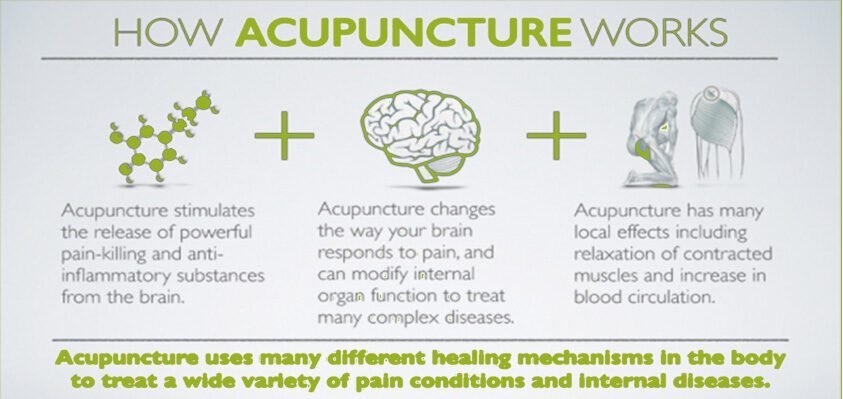
Toxins and cellular wastes that built up around the injured area can be carried away by improved blood circulation. Furthermore, needles works deeper into the parasympathetic nervous system that stimulating the release of endorphins, the body’s natural feel-good chemicals. These natural chemicals calm areas of the brain that register pain and activate those involved in rest and recuperation.
How does acupuncture work?
Classical Chinese Explanation – Channels of energy run in regular patterns through the body and over its surface. These energy channels, called meridians, are like rivers flowing through the body to irrigate and nourish the tissues. An obstruction in the movement of these energy rivers is like a dam that backs up the flow in one part of the body and restricts it in others.
The meridians can be influenced by needling the acupuncture points; the acupuncture needles unblock the obstructions at the dams, and re-establish the regular flow through the meridians. Acupuncture treatments can therefore help the body’s internal organs to correct imbalances in their digestion, absorption, and energy through the meridian.
Modern Scientific Explanation – Needling the acupuncture points stimulates the nervous system to release chemicals in the muscles, spinal cord, and brain. These chemicals will either change the experience of pain, or they will trigger the release of other chemicals and hormones which influence the body’s own internal regulating system.
What is the scope of acupuncture?
Acupuncture is a system which can influence three areas of health care:
- Promotion of health and well-being
- Prevention of illness
- Treatment of various medical conditions
While acupuncture is often associated with pain control, in the hands of a well-trained practitioner it has much broader applications. Acupuncture can be effective as the only treatment used, or as the support or adjunct to other medical treatment forms in many medical and surgical disorders.
Heal the Sunnah Way
The World Health Organization recognizes the use of acupuncture in the treatment of a wide range of problems, including:
- Muscular and neurological disorders: headaches, facial tics, neck pain, rib neuritis, frozen shoulder, tennis elbow, various forms of tendonitis, low back pain, sciatica, osteoarthritis.
- Digestive disorders: gastritis, and hyper-acidity, spastic colon, constipation, diarrhea.
- Respiratory disorders: Sinusitis, sore throat, bronchitis, asthma, recurrent chest infections.
- Urinary, menstrual, and reproductive problems.
Acupuncture is particularly useful in resolving physical problems related to tension and stress and emotional conditions.
At Chaudhry Clinic Acupuncture, our acupuncturist treats many of the conditions listed above as well as many more. In addition to the use of acupuncture, he is trained in Traditional Chinese Medicine. This enables him to provide herbs and offer specific diet and lifestyle recommendations to significantly improve a variety of conditions and eliminate the cause of the client’s problem.
Frequently Asked Questions
Are there any side effects to the treatment?
Usually not. As energy is redirected in the body, internal chemicals and hormones are stimulated and healing begins to take place. Occasionally, the original symptoms worsen for a few days, or other general changes in appetite, sleep, bowel or urination patterns, or emotional state may be triggered. These should not cause concern, as they are simply indications that the acupuncture is starting to work.
It is quite common with the first one or two treatments to have a sensation of deep relaxation or even mild disorientation immediately following the treatment. These pass within a short time, and never require anything more than a bit of rest to overcome.
Does acupuncture really work?
Yes. In the past 2,000 years, more people have been successfully treated with acupuncture than with all other health modalities combined. Today acupuncture is practiced widely in Asia, the Soviet Union, and in Europe. It is now being used more and more in North America.
Acupuncture treatments can be given at the same time other techniques are being used, such as conventional Western medicine, physiotherapy hands-on treatment techniques and herbal medicine. It is important that your acupuncturist know everything that you are doing, so he or she can help you get the most benefit from all your treatments.
How many treatments will I need?
The number of treatments needed differs from person to person. For complex or long-standing conditions, one or two treatments a week for several months may be recommended. For acute problems, usually fewer visits are required, and for health maintenance, four sessions a year may be all that is necessary.
What are the needles like? Do they hurt?
People experience acupuncture needling differently. Most patients feel only minimal pain as the needles are inserted; some feel no pain at all. Once the needles are in place, there is no pain felt.
Acupuncture needles are very thin and solid and are made from stainless steel. The point is smooth (not hollow with cutting edges like a hypodermic needle) and insertion through the skin is not as painful as injections or blood sampling. The risk of bruising and skin irritation is less than when using a hollow needle.
Because only disposable needles are used, there is no risk of infection from the treatments.
Do I have to believe in acupuncture for it to work?
No. Acupuncture is used successfully on cats, dogs, horses and other animals. These animal patients do not understand or believe in the process that helps them get better. A positive attitude toward wellness may reinforce the effects of the treatment received, just as a negative attitude may hinder the effects of acupuncture or any other treatment. A neutral attitude (“I don’t know if I really believe in this.”) will not block the treatment results.
Are there any “Do’s and Don’ts” for me on the day of a treatment?
Yes. To enhance the value of a treatment, the following guidelines are important:
• Do not eat an unusually large meal immediately before or after your treatment.
• Plan your activities so that after the treatment you can get some rest, or at least not have to be working at top performance. This is especially important for the first few visits.
• Remember to keep good mental or written notes of your response to the treatment. This helps your acupuncturist plan follow-up sessions more effectively.
• Do not eat an unusually large meal immediately before or after your treatment.
• Plan your activities so that after the treatment you can get some rest, or at least not have to be working at top performance. This is especially important for the first few visits.
• Remember to keep good mental or written notes of your response to the treatment. This helps your acupuncturist plan follow-up sessions more effectively.
Qualified & Certified
We are certified from College of Traditional Chinese Medicine Practitioners and Acupuncturists of Ontario. The College (CTCMPAO) is the governing body established by the government of Ontario, under the Regulated Health Professions Act, 1991 and the Traditional Chinese Medicine Act, 2006. It regulates the practice of traditional Chinese medicine and acupuncture in the public interest. The law in Ontario requires that every practitioner must be a registered member of the College (CTCMPAO).
Acupuncture for Fertility: A Holistic Approach
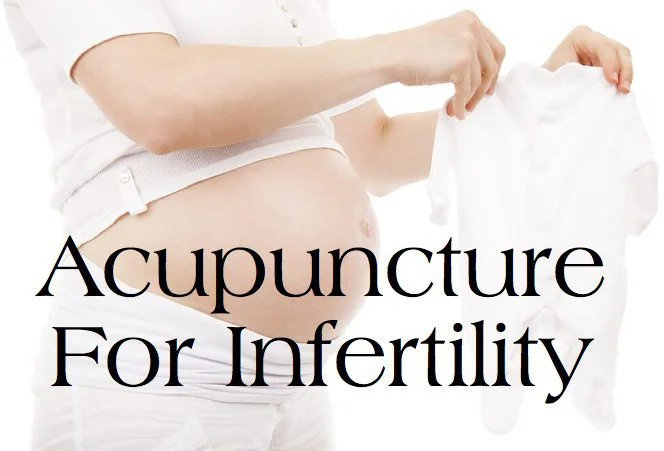
Acupuncture plays a significant role in enhancing fertility for both men and women. For women, it regulates ovarian function, balances hormones, and supports overall reproductive health. Studies show that acupuncture can help improve sperm quality in men, boost egg health, and increase the chances of conception. If you’re struggling with infertility, this alternative treatment may be the solution you’re looking for. Learn more about acupuncture and its impact on fertility.
Regulating Hormones for Female Fertility
Hormonal balance is crucial for fertility, especially for regulating essential hormones like Follicle Stimulating Hormone (FSH) and estrogen. When these hormones are in balance, ovarian follicles can mature effectively, increasing the likelihood of conception. Acupuncture works to restore hormonal health, potentially enhancing fertility outcomes, particularly for women undergoing assisted reproductive treatments. Check out our fertility treatments designed for women.
Enhancing Blood Flow for Better Egg Quality
Improved blood circulation is essential for nourishing the ovaries and ensuring that eggs receive adequate nutrients. Acupuncture enhances this blood flow, supporting healthy egg development and overall reproductive health. Studies show that acupuncture can positively influence egg quality and improve fertility rates, particularly during IVF treatments. Explore this study on acupuncture’s impact on fertility.
Improving Male Fertility Through Acupuncture
Male infertility is responsible for around 40% of fertility issues. Acupuncture can improve sperm count, motility, and vitality by stimulating healthy sperm production and regulating testosterone levels. These changes can lead to enhanced fertility outcomes for men. Read more about how acupuncture can support male fertility.
Supporting Successful Embryo Implantation
Acupuncture may increase the chances of embryo implantation by enhancing uterine blood flow and balancing immune function. These factors create a more favorable environment for embryo attachment, which can be especially beneficial for patients who have experienced IVF failure in the past. Learn more about acupuncture’s effects on embryo implantation.
Timeline for Acupuncture’s Effects on Fertility
The length of acupuncture treatment can vary based on individual needs. Typically, patients undergo weekly sessions for several months, with some noticing improvements in fertility within a few weeks. Others may require more time to see noticeable results. It’s often recommended to combine acupuncture with other fertility treatments for optimal success. Find out more about the expected timeline for acupuncture fertility treatments.
Infertility and Acupuncture: A Holistic Treatment
Infertility can be caused by various factors such as age, stress, hormonal imbalances, and health conditions like PCOS or endometriosis. For some individuals, the cause of infertility is unknown, but acupuncture has been shown to improve fertility outcomes regardless of the underlying issue. Explore how acupuncture addresses different causes of infertility.
Why Choose Acupuncture for Fertility?
Acupuncture offers a comprehensive approach to fertility by promoting hormonal balance, improving circulation, reducing stress, and enhancing reproductive health. Whether you’re experiencing issues related to male or female fertility, acupuncture can be a powerful complementary treatment. Learn more about acupuncture’s role in fertility treatments.
