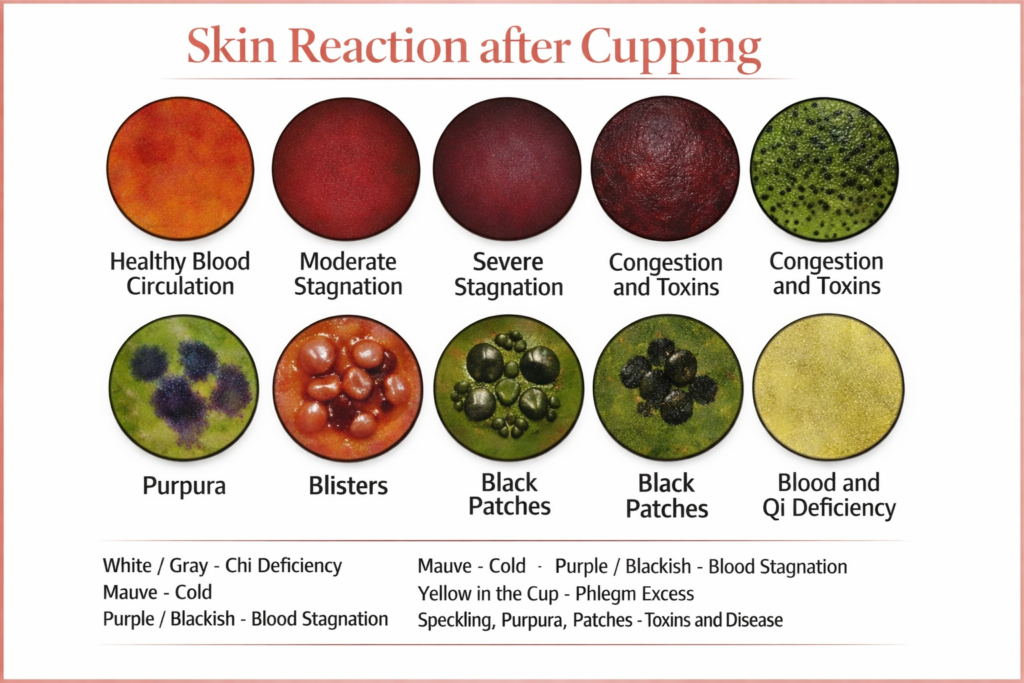
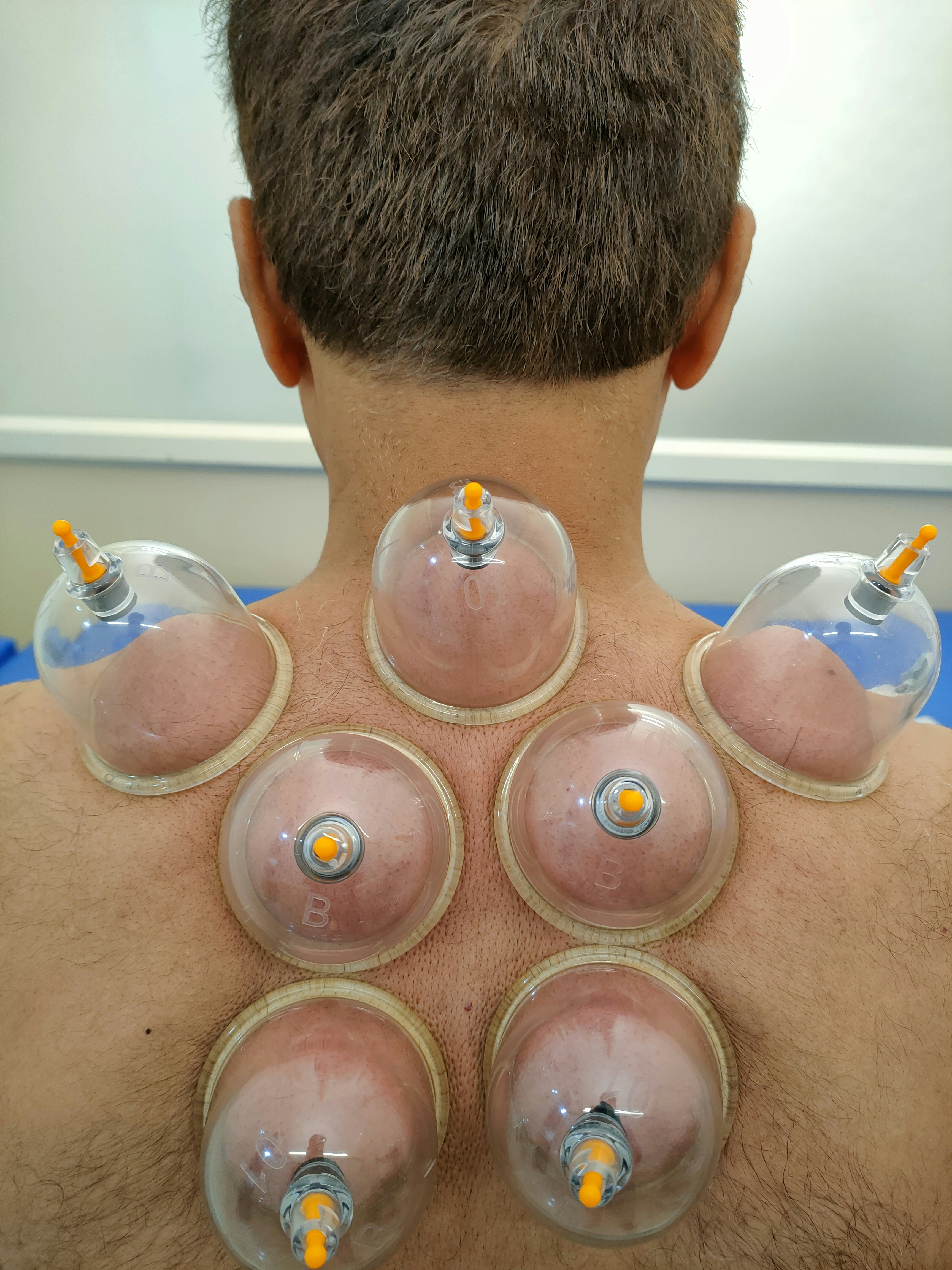
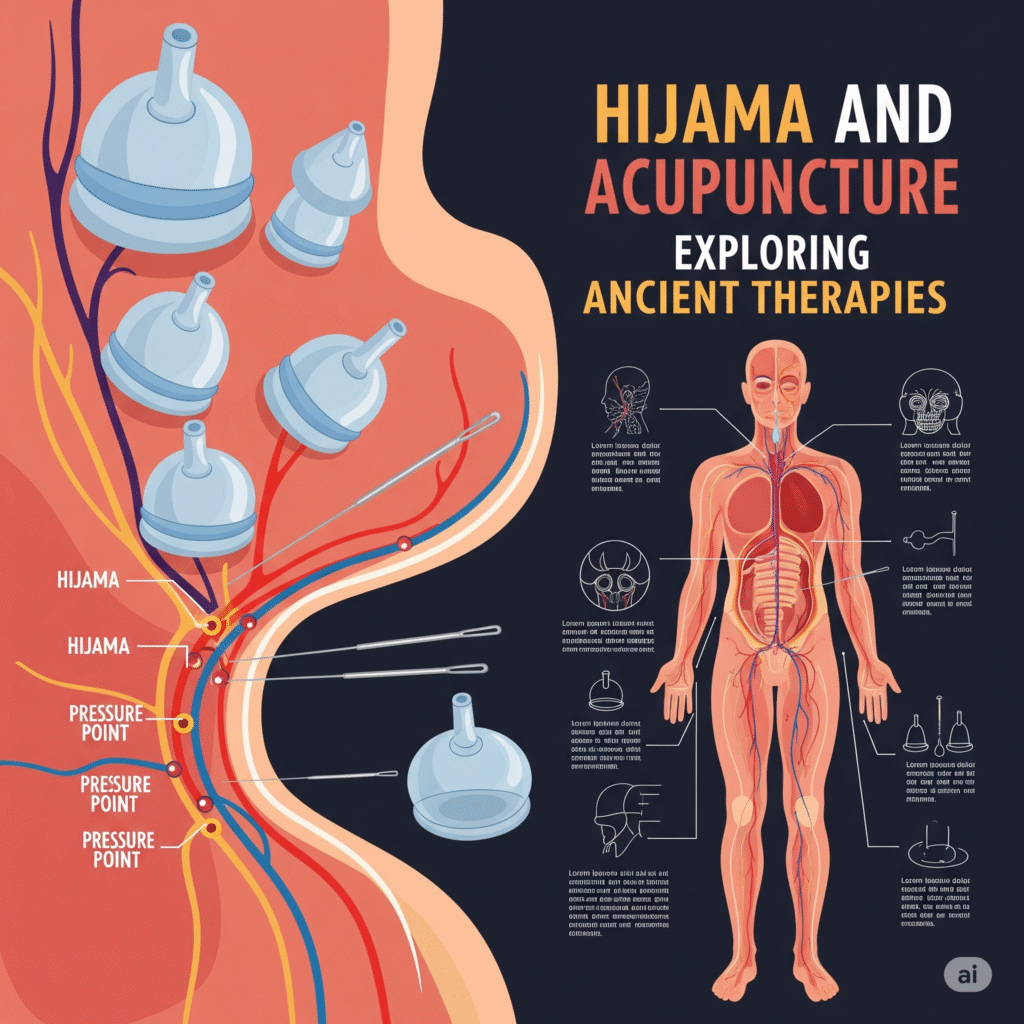
Introduction to Hijama and Skin Reactions Hijama, also known as cupping therapy, is a traditional therapeutic practice that involves creating controlled suction on the skin. This technique is widely used to support blood circulation, promote relaxation, and help the body manage various health concerns. While hijama is generally considered safe when performed by trained practitioners, it may cause temporary and visible skin reactions. Understanding these effects helps individuals feel more prepared and confident before and after treatment. Why Skin Reactions Occur After Hijama During hijama, suction is applied to targeted areas of the skin, which increases local blood flow and stimulates underlying tissues. This process may result in temporary skin discoloration. The appearance of marks is primarily due to changes in circulation in areas where blood flow may have been restricted or sluggish. As a result, the skin may show color variations ranging from light red to dark purple. These marks are usually temporary and tend to fade within 3 to 7 days, depending on an individual’s overall health and skin sensitivity. How to Manage Skin Reactions After Hijama Skin changes after hijama are a normal part of the healing response and typically do not indicate any harm. Most individuals do not experience significant pain, and many report a sense of relief following the session. Some practitioners believe that hijama may assist the body’s natural cleansing processes by encouraging the movement of stagnant fluids. While scientific interpretations vary, patients often notice that the intensity of skin markings reduces in subsequent sessions, suggesting improved circulation over time. To support recovery, mild physical activity or light sweating after treatment may help the body’s natural metabolic processes. However, it is important to stay hydrated and follow post-treatment care instructions provided by a qualified practitioner. Rare Side Effects In uncommon cases, small fluid-filled blisters may appear on the treated area. These are generally mild and resolve on their own with basic care and hygiene. If any unusual or persistent symptoms occur, it is advisable to consult a healthcare professional. Conclusion Hijama is a widely practiced therapy with a long history of traditional use. Temporary skin reactions such as discoloration are normal and usually harmless. With proper knowledge and aftercare, individuals can better understand these effects and benefit from the overall therapeutic experience. Wet Cupping mark type and colour Explained Water drops in the cup, cold or dampness Blisters/bubbles after cupping, normally means dampness, accumulated fluids in the tissues, and cold Pale skin marks after cupping, feel cold on the skin; deficiency cold or dampness Dark, purple spot cupping marks , stagnation and cold Light or bright red spot cupping marks, Qi and blood deficiency, Yin deficiency Little dark spots scattered in the cupping mark, deep Qi and blood stagnation Skin lines in the cupping marks or itch feeling after cupping, wind or dampness skin after cupping Mudasser Chaudhry is certified, and registered to perform Hijama he is also registered homeopathy herbalist acupuncturist and Traditional Chinese Medicine in Toronot and Mississauga Call Chaudhry Clinic today at 416-778-1390 or book an appointment online.
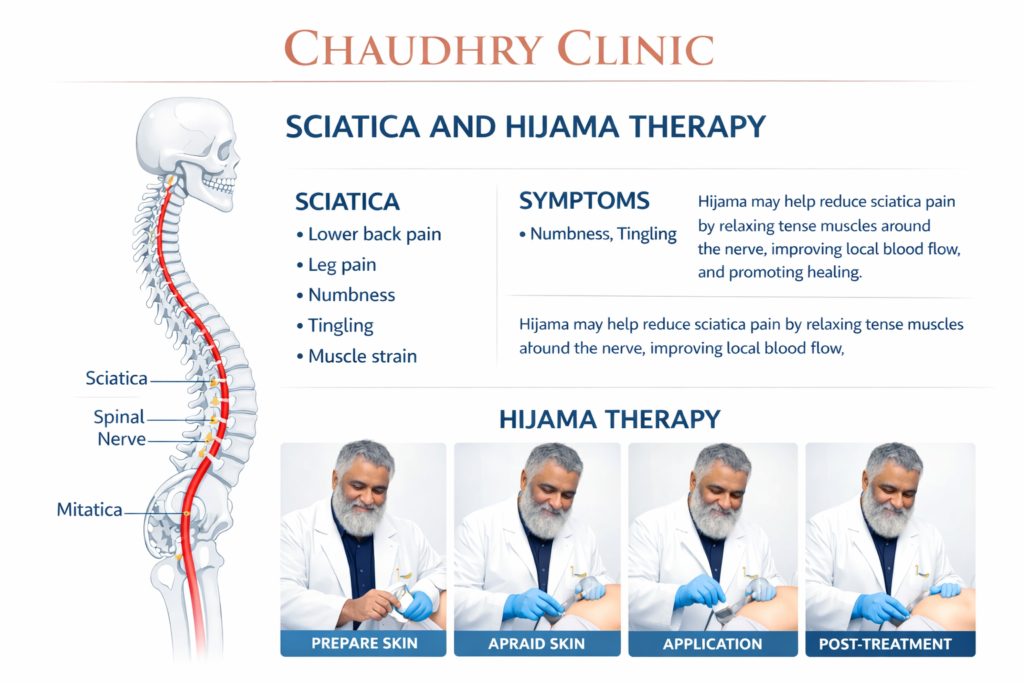
What is Sciatica? Sciatica is a painful condition that arises from the compression or irritation of the spinal nerve roots. This discomfort often radiates down the legs and can significantly impact an individual’s quality of life. While many believe that heavy lifting is the primary cause of sciatica, the reality is that the accumulation of dry debris around the spine can lead to nerve compression. This accumulation may result from various factors, including poor posture and sedentary lifestyles. The Role of Hijama Therapy According to Mudasser Chaudhry, a registered hijama practitioner with expertise in Chinese medicine, hijama therapy can be an effective alternative treatment for sciatica. This ancient practice involves creating suction on specific points of the body to alleviate pain and improve blood circulation. By drawing out stagnant blood and toxins, hijama aims to reduce inflammation and promote healing, particularly in those suffering from nerve compression. Benefits of Choosing Hijama for Sciatica Relief The primary benefits of hijama therapy for sciatica sufferers include reduced pain, improved mobility, and a better overall sense of well-being. Many patients report significant relief after just a few sessions, making hijama a compelling option for those looking for drug-free alternatives. Additionally, often combined with lifestyle modifications and physical therapy, hijama can enhance recovery and prevent future flare-ups associated with sciatica. Mudasser Chaudhry is certified, and registered to perform Hijama he is also registered homeopathy herbalist acupuncturist and Traditional Chinese Medicine in Toronot and Mississauga Call Chaudhry Clinic today at 416-778-1390 or book an appointment online.

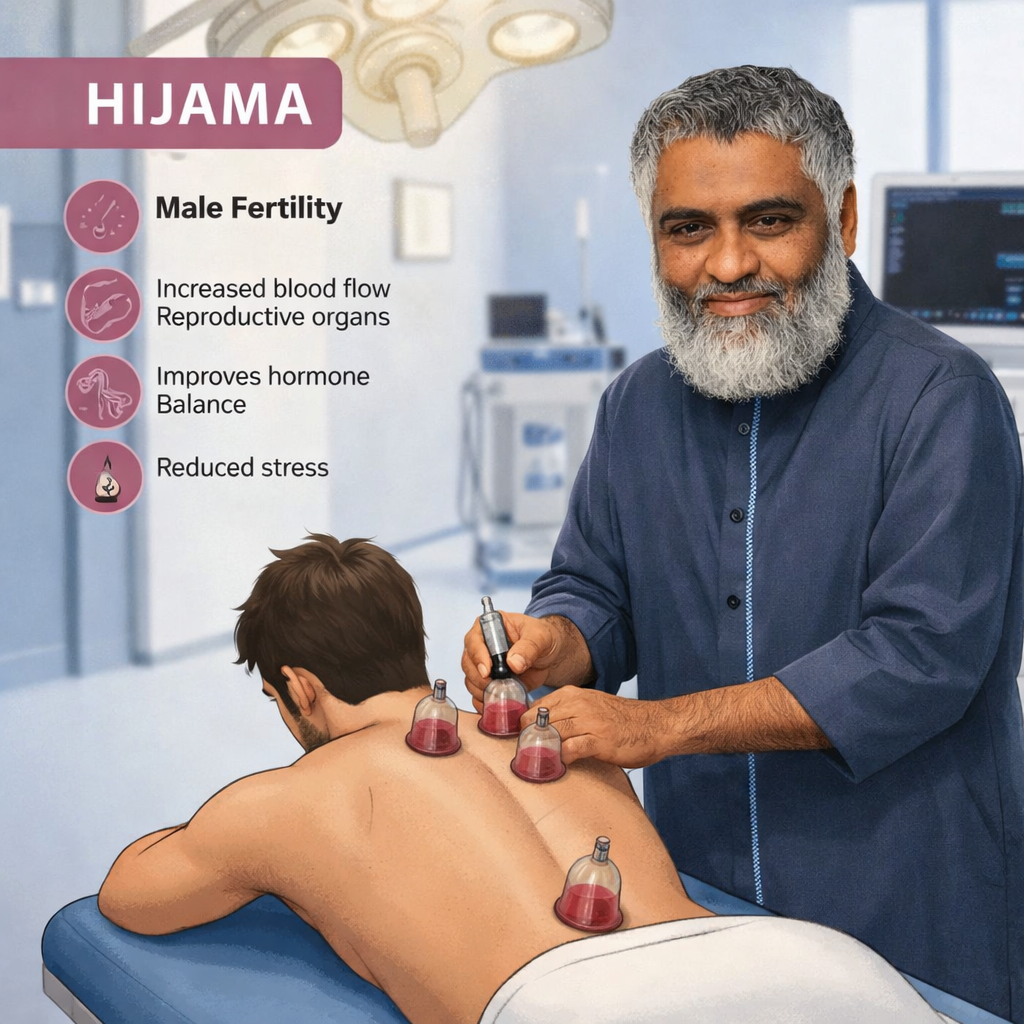
Male Fertility Treatment Options: Finding the Right Path for You Infertility can be a challenging journey for couples, and male factor infertility plays a significant role in many cases. If you and your partner are facing difficulties conceiving, understanding the available male fertility treatment options is a crucial first step. At Chaudhry Clinic in Brampton, Ontario, we believe in providing comprehensive support, combining conventional knowledge with natural and homeopathic approaches to male reproductive health personalized male fertility treatment plan can be developed. Understanding the Causes of Male Infertility Before exploring male fertility treatment options, it’s helpful to know what might be causing male infertility. Common factors include: Sperm Production Issues: Low sperm count (oligospermia), no sperm production (azoospermia), or abnormally shaped sperm (teratozoospermia). Sperm Motility Problems: Sperm that don’t swim effectively (asthenozoospermia). Blockages: Obstructions in the reproductive tract preventing sperm release. Hormonal Imbalances: Issues with hormones that regulate sperm production. Varicocele: Enlarged veins in the scrotum, which can affect sperm quality. Genetic Factors: Certain genetic conditions can impact fertility. Lifestyle Factors: Diet, smoking, alcohol, stress, and environmental toxins can all play a role. Infections: Past or present infections affecting the reproductive system. Conventional Male Fertility Treatment Approaches Traditional medical interventions offer a range of solutions depending on the diagnosis for male fertility challenges: 1. Medication for Male Fertility Issues Hormone Therapy: For hormonal imbalances, medications like clomiphene citrate or gonadotropins can stimulate testosterone and sperm production. Antibiotics: If an infection is identified, antibiotics can clear it, potentially improving fertility. Medications for Erectile Dysfunction: If ED is a barrier to conception, specific drugs can help. 2. Surgical Solutions for Male Reproductive Health Varicocelectomy: Surgical repair of varicoceles can improve sperm count and quality in some men. Vasectomy Reversal: For men who have had a vasectomy, a reversal procedure can restore sperm flow. Surgical Sperm Retrieval (SSR): Techniques like TESE (Testicular Sperm Extraction), Micro-TESE, PESA (Percutaneous Epididymal Sperm Aspiration), or MESA (Microscopic Epididymal Sperm Aspiration) are used to retrieve sperm directly from the testis or epididymis for use in assisted reproductive technologies (ART) when there’s a blockage or no sperm in the ejaculate. 3. Assisted Reproductive Technologies (ART) for Male Fertility Intrauterine Insemination (IUI): Sperm are washed and concentrated, then placed directly into the woman’s uterus around the time of ovulation. In Vitro Fertilization (IVF): Eggs are retrieved from the woman and fertilized with sperm in a laboratory. The resulting embryos are then transferred to the uterus. Intracytoplasmic Sperm Injection (ICSI): Often used with IVF, where a single sperm is injected directly into an egg. This is particularly useful for severe male factor infertility (e.g., very low sperm count or poor motility). Natural and Homeopathic Approaches to Male Fertility At Chaudhry Clinic, we recognize the value of supporting the body’s natural healing capabilities. Homeopathy, alongside lifestyle modifications, offers a complementary or alternative path for male fertility. These natural male fertility treatment options focus on holistic well-being.Homeopathic Remedies for Fertility Support Tailored homeopathic medicines aim to address the underlying imbalances that contribute to infertility. These remedies work by stimulating the body’s vital force to restore health. For example, our Spermaleen Drops Homeopathic (learn more here) are specifically formulated to support sperm production, improve semen health, and balance hormones naturally. Individual ingredients like Agnus Castus, Selenium, and Phosphoric Acid target various aspects of male reproductive health. Nutritional Support for Reproductive Health A diet rich in antioxidants (like Vitamin C, E, Zinc, and Selenium), essential fatty acids, and folate can significantly improve sperm health. We can guide you on dietary changes that support fertility. Lifestyle Modifications for Enhanced Male Fertility Stress Management: High stress levels can negatively impact hormone balance. Techniques like meditation, yoga, and mindfulness can be beneficial. Regular Exercise: Moderate physical activity supports overall health and hormonal balance. Avoiding Toxins: Limiting exposure to environmental toxins, smoking, excessive alcohol, and recreational drugs is crucial for sperm health. Weight Management: Maintaining a healthy weight is important, as obesity can affect male hormone levels. Combining Approaches for Comprehensive Male Fertility Care The most effective male fertility treatment often involves a multi-faceted approach. We work closely with our patients to integrate conventional medical diagnoses with holistic strategies. This might mean: Using homeopathic remedies to support the body during conventional treatments like IUI or IVF. Focusing on lifestyle and nutritional changes to optimize natural fertility before considering more invasive procedures. Addressing underlying emotional and mental stressors that can impact fertility.Your Next Step Towards Parenthood If you’re exploring male fertility treatment options, the first step is a thorough consultation. Our experienced practitioners at Chaudhry Clinic will take a detailed history, review any existing diagnostic tests, and discuss the most suitable path for your unique situation. Don’t let infertility define your journey. Explore the possibilities with us. For more general information on male reproductive health, you can visit Mayo Clinic’s Male Infertility page.Book Your Consultation Today! Disclaimer: This article is for informational purposes only and does not substitute medical advice. Always consult a licensed physician and a qualified homeopath before starting any treatment for fertility issues.

Hijama for Colic: Natural Relief for Digestive Discomfort Hijama for Colic: Natural Relief for Digestive Discomfort If you’re seeking a natural and effective solution for the distressing symptoms of colic, Hijama for colic offers a promising therapeutic approach. This ancient practice, also known as wet cupping, can provide significant relief by targeting the underlying causes of digestive discomfort. By reducing inflammation, improving blood circulation within the digestive system, and promoting the body’s innate healing capabilities, Hijama therapy for colic can help alleviate painful cramps and bloating. A gentle Hijama session can help alleviate colic symptoms. How Hijama Therapy Provides Colic Relief Hijama for colic works through the strategic application of suction cups to the skin. This technique offers several key benefits for individuals experiencing colic: Reduces Digestive Inflammation: Hijama directly addresses and helps diminish the inflammation in the digestive tract that often contributes to the pain and discomfort associated with colic. Promotes Better Digestion: By enhancing blood flow to the abdominal region, Hijama therapy supports and improves overall digestive function, thereby easing common colic symptoms such as bloating and cramps. Research on Cupping and Digestive Health Alleviates Abdominal Pain from Colic: The improved circulation and energy flow resulting from Hijama can significantly reduce the abdominal pain and cramping characteristic of colic. Supports Detoxification for Digestive Health: Wet cupping aids in the removal of toxins and metabolic waste products that can contribute to digestive imbalances and exacerbate colic. Learn more about detox cupping Boosts Immune Function to Aid Digestive Wellness: A robust immune system can help manage inflammatory responses that may worsen colic symptoms, and Hijama has been shown to support overall immune health. Why Choose Hijama as a Natural Colic Treatment? It offers a natural and drug-free approach to colic treatment. Hijama therapy for colic is generally considered safe and non-invasive, with minimal reported side effects. It aims to address the fundamental causes of colic, rather than just treating the superficial symptoms. Hijama for colic can be effectively integrated with other treatments to provide enhanced relief. The Science and Tradition Supporting Hijama for Digestive Health Contemporary research is increasingly validating the therapeutic effects of cupping therapy, including its ability to reduce inflammation and improve circulation. Historically, Hijama boasts a rich heritage, with mentions in ancient medical texts and Islamic prophetic traditions underscoring its benefits for various health issues, including digestive ailments. Islamic Perspectives on Hijama Who Can Experience Relief from Colic with Hijama? Individuals who frequently experience persistent or recurring colic. Those suffering from significant abdominal pain, bloating, and cramping linked to digestive problems. People diagnosed with conditions such as IBS or indigestion who also suffer from colic-like symptoms. Anyone seeking a natural and holistic method to improve their digestive health and find effective relief from colic. Chaudhry Clinic: Your Experienced Practitioners of Hijama Therapy Our clinic is staffed by certified and highly experienced Hijama practitioners. We maintain a rigorously clean and hygienic environment to ensure your comfort and safety during your session. We provide personalized Hijama treatment plans specifically designed to address your individual needs for colic relief. We blend traditional healing techniques with the latest medical understanding to deliver comprehensive and effective care. Find Natural Relief from Colic with Hijama Book Your Hijama Session Today Or call us at 416-778-1390 to schedule your consultation. Disclaimer: Hijama therapy should always be performed by qualified practitioners. Please consult with a healthcare professional for any underlying health concerns.

Hijama Benefits: Health and Healing with Cupping Therapy What is Hijama? Discover the Health Benefits Hijama, also known as cupping therapy, is an ancient and powerful healing practice. It has been practiced for centuries, offering a natural way to improve blood circulation and promote healing. By creating suction on the skin with special cups, this therapy supports detoxification, pain relief, and overall well-being. Discover how Hijama benefits your health, particularly when performed on specific days as recommended by Islamic tradition. Significance of the Sunnah Days for Hijama In April, certain days are considered more auspicious for performing Hijama due to their alignment with the Sunnah of the Prophet Muhammad (peace be upon him). These days—April 16, 18, and 20—are believed to enhance the therapeutic benefits of Hijama. Performing this treatment on these dates is said to bring greater healing, including detoxification and relief from pain, while boosting emotional balance. Hijama Benefits on Specific Days: Enhanced Healing Performing Hijama on the Sunnah days is believed to significantly increase its effectiveness. These specific dates harmonize with natural energies, improving the body’s response to therapy. Whether you’re new to Hijama or a seasoned practitioner, these dates offer an excellent opportunity to maximize the benefits of cupping therapy. Experiencing Hijama on April 16, 18, and 20 can bring heightened relief and a deeper connection to this centuries-old healing practice. Learn more about Hijama benefits and why these dates are so significant by visiting Islamic Medical Association or watching the video on YouTube. Book Your Hijama Therapy Session Today Take the next step in your health journey. Book your Hijama session at Chaudhry Clinic and experience the benefits of this ancient therapy, particularly on the Sunnah days of April. Our certified practitioners are ready to provide personalized treatments that help with pain relief, detoxification, and overall wellness. Book Appointment Frequently Asked Questions About Hijama Therapy If you’re considering Hijama therapy, you may have some questions. Here are the answers to some common queries: Is Hijama therapy painful? – Most people feel mild discomfort, but it’s generally not painful. How often should I undergo Hijama therapy? – The frequency depends on your health needs, but most people get treatments every few weeks. What conditions can Hijama therapy help with? – Hijama helps with pain relief, detoxification, stress, and muscle tension. For more information on Hijama therapy and its benefits, feel free to contact us for a consultation.
Hijama and Acupuncture: Exploring Ancient Therapies Exploring the Benefits of Hijama (Wet Cupping) and Acupuncture Hijama (wet cupping) therapy and acupuncture are ancient therapeutic practices with roots in Traditional Chinese Medicine (TCM) and other global traditions. While Hijama draws out blood to promote healing, acupuncture uses fine needles to stimulate specific points on the body. Understanding the benefits of Hijama and the benefits of acupuncture offers a broader perspective on holistic health approaches. Discover more about our Hijama services in Mississauga and acupuncture services in Mississauga. Understanding Hijama: The Benefits of Wet Cupping Therapy What is Hijama (Wet Cupping)? Hijama, or wet cupping therapy, is an ancient technique where practitioners create suction on the skin and make small superficial cuts to draw out a small amount of blood. This process aims to remove stagnant blood and toxins, thereby promoting healing and improving overall wellness. Its origins lie in Arabic and Islamic traditions, as well as in ancient Chinese medicine. Understanding Acupuncture: An Ancient Healing Art The Principles of Acupuncture Acupuncture, a key component of Traditional Chinese Medicine (TCM) that dates back thousands of years, involves the insertion of thin, sterile needles into specific points on the body known as acupoints. These points lie along meridians, or energy pathways, and stimulating them balances the flow of Qi (vital energy) in the body, thereby promoting self-healing and alleviating various health conditions. The Process of Hijama (Wet Cupping) Diagnosis and Application of Cups in Hijama A Hijama session typically begins with a diagnosis, often based on TCM principles. Then, practitioners apply cups to the skin to create suction. After a few minutes, they remove the cups and make small incisions before reapplying the cups to draw out blood. The Process of Acupuncture Needle Insertion and Stimulation in Acupuncture In an acupuncture session, practitioners insert very fine needles into specific acupoints. They usually retain the needles for a period of 15 to 30 minutes and may gently manipulate them to enhance their effect. The number of needles used and the duration of the treatment vary depending on the individual’s condition. Potential Benefits of Hijama (Wet Cupping) Proponents of Hijama suggest it may help relieve pain, reduce inflammation, improve blood circulation, detoxify the body, and promote relaxation. People use it for a variety of conditions, and modern research continues to explore its benefits. For example, some studies in Brampton have shown positive outcomes. Potential Benefits of Acupuncture Acupuncture is widely recognized for its effectiveness in managing pain, such as back pain, neck pain, and headaches. Additionally, practitioners use it to treat nausea, improve sleep, reduce stress and anxiety, and support fertility. The World Health Organization (WHO) recognizes acupuncture as an effective treatment for a range of conditions. Furthermore, many individuals in Mississauga and GTA have experienced significant relief through acupuncture. The Importance of Qualified Practitioners for Both Therapies For both Hijama and acupuncture, seeking treatment from qualified and licensed practitioners who have undergone proper training and adhere to safety standards is crucial. This ensures they administer the therapies effectively and safely, maximizing their potential benefits and minimizing risks. In Brampton, you can find qualified professionals for both Hijama and acupuncture. Moreover, our clinic in Mississauga and Toronto employs highly trained practitioners for these therapies. To learn more about our qualified practitioners in Mississauga and Toronto for Hijama and acupuncture, please visit our services pages. Can Hijama and Acupuncture Be Used Together? In some holistic health approaches, practitioners may use Hijama and acupuncture as complementary therapies. They might choose to use them in conjunction based on the individual’s health condition and treatment goals. Both therapies aim to promote the body’s natural healing abilities through different mechanisms. Consequently, some patients in Brampton have found combined treatments particularly beneficial.

Side Effects of Hijama (Cupping Therapy) Side Effects of Hijama (Cupping Therapy) Hijama, also known as cupping therapy, is an ancient practice that has gained popularity in recent years. Practitioners place cups on the skin to create suction. This suction is believed to promote healing and improve overall well-being. While hijama is generally considered safe and beneficial, awareness of potential side effects is important. These side effects are usually mild and temporary, but knowing what to expect is still important. 1. Bruising and Discoloration One of the most common side effects of hijama is bruising and discoloration of the skin. The suction from the cups can break small blood vessels. This results in localized bleeding under the skin. The bruising usually fades within a week or two. 2. Soreness and Tenderness After a hijama session, experiencing some soreness and tenderness in the treated area is normal. This feels similar to the soreness you might feel after a deep tissue massage. The discomfort should subside within a few days. 3. Dizziness and Lightheadedness During the hijama process, some individuals may feel dizziness or lightheadedness. The release of toxins and the changes in blood flow can cause this. Resting and hydrating after a session is important to minimize these symptoms. It is worth noting that hijama contraindicates certain individuals, including pregnant women, individuals with bleeding disorders, and those with skin conditions or open wounds. Consulting with a qualified hijama practitioner before undergoing the therapy is important. Common Side Effects of Hijama While many people might experience positive effects after a hijama session, being aware of the possible side effects is important. Common side effects include bruising, skin irritation, and discomfort at the site of the cups. Bruising is the most visible effect; it often appears as red or purple marks that can last from a few days to a couple of weeks. Skin irritation may range from minor redness to more pronounced conditions, especially for individuals with sensitive skin. Rare Side Effects and Precautions In rare instances, hijama can result in more serious side effects, such as infection if proper hygiene practices are not followed. Other potential complications include severe pain or allergic reactions to the materials used. Therefore, seeking treatment from qualified professionals who adhere to strict sanitation protocols is crucial. Before undergoing hijama, individuals with certain medical conditions or those on specific medications should consult a healthcare provider to evaluate any potential risks.

< Benefits of Hijama (حجامهً) Wet Cupping Therapy Hijama, also known as wet cupping therapy, is an ancient practice that has been utilized across different cultures for its healing benefits. This holistic treatment is designed to stimulate blood circulation, detoxify the body, and promote overall wellness. With modern recognition of its health benefits, Hijama is gaining popularity as a natural healing method. What is Hijama? Hijama involves placing specialized cups on specific points of the body to create a suction effect. This suction draws blood to the surface of the skin, which helps promote circulation, detoxify the body, and enhance healing. The therapy is widely used in Traditional Chinese Medicine and Islamic traditions, and is known for its wide range of health benefits. Key Benefits of Hijama Detoxifies stagnant and toxin-filled blood Improves blood circulation and promotes organ function Balances hormones, contributing to emotional stability Highly effective for treating skin issues such as acne, psoriasis, eczema, boils, and spots Relieves digestive problems like constipation, bloating, and indigestion Reduces and eliminates menstrual pain Boosts fertility in both men and women Helps manage chronic conditions such as arthritis, diabetes, and hypertension Improves immune function and enhances resistance to infections Provides relief from muscle pain, body aches, headaches, and migraines Helps alleviate stress, anxiety, and symptoms of depression Promotes mental clarity, focus, and improved mood Balances the body’s energy (qi) and supports overall vitality Enhances digestive energy (food qi), improving metabolism and digestion Supports overall organ health, optimizing bodily functions Holistic Healing and Emotional Wellness Beyond physical benefits, Hijama therapy is known to have profound positive effects on emotional and mental wellness. Many individuals experience a deep sense of relaxation and emotional balance after a session. By addressing the root causes of stress and anxiety, Hijama promotes a sense of calm and clarity, helping to improve mental health and overall well-being. Additional Benefits of Hijama Helps protect the body from diseases by removing harmful toxins Offers protection and removal of negative energies like black magic in certain traditions Promotes relaxation and helps relieve tension and stress Reduces high blood pressure and improves blood circulation Helps with the regulation of hormones, aiding in better mental health Fosters overall health by stimulating the body’s natural healing abilities Boosts the body’s ability to fight infections and recover from illnesses Why Choose Hijama? Hijama is a safe and natural therapy when performed by trained practitioners. It offers a variety of benefits without the use of chemicals or invasive procedures. Whether you’re seeking relief from chronic pain, trying to improve your fertility, or simply aiming to boost your overall health, Hijama provides a holistic approach to healing the body and mind. Get Started with Hijama Today! If you’re looking for a natural way to improve your health, consider giving Hijama therapy a try. For more information or to book a session, call us today at 416-778-1390. Start your journey to better health with Hijama! Click here to watch our Hijama Introduction Video https://youtu.be/lf86dmmAE5w?si=tuf18dWczdXMR31X Benefits of Hijama: A Holistic Healing Approach Hijama, also known as cupping therapy, is an ancient and natural healing technique that has gained increasing popularity worldwide. This holistic therapy involves creating suction on the skin using specialized cups, which stimulates blood circulation, promotes detoxification, and helps relieve a variety of ailments. With roots in cultures such as Traditional Chinese Medicine and Islamic traditions, Hijama offers numerous therapeutic benefits, making it a sought-after treatment for many. What is Hijama? Hijama, commonly referred to as wet cupping therapy, involves applying cups to the skin to create suction. This suction draws blood to the surface of the skin, which helps improve circulation and detoxify the body. As a result, Hijama is known to be effective for managing chronic pain, inflammation, and a range of other health issues. The practice is rooted in ancient healing methods, including Traditional Chinese Medicine and Islamic medicine, and has been used for centuries to promote overall health and well-being. Key Benefits of Hijama Therapy Improved Blood Circulation: Hijama enhances blood flow, helping to deliver more oxygen and nutrients to tissues while removing toxins from the body. Pain Relief: Hijama is a natural pain management method, offering relief from chronic conditions such as arthritis, migraines, and muscle pain. Detoxification: The suction process helps remove stagnant blood and toxins from the body, contributing to overall detoxification and improved organ function. Inflammation Reduction: By improving circulation, Hijama can significantly reduce inflammation, helping alleviate the symptoms of various inflammatory conditions. Improved Skin Health: Hijama is effective for treating skin issues such as acne, eczema, psoriasis, and other skin irritations. Digestive Health: Hijama can improve digestion by promoting the circulation of digestive fluids and relieving issues like constipation and bloating. Stress and Anxiety Relief: Many people report feeling deeply relaxed after a Hijama session, which can help to reduce stress, anxiety, and improve emotional health. Hormonal Balance: Hijama helps regulate hormonal imbalances, which can be beneficial for those struggling with issues like menstrual pain, fertility, and mood swings. Enhanced Mental Wellness: By promoting overall physical health, Hijama contributes to better mental clarity, mood improvement, and emotional well-being. Emotional and Mental Wellness Benefits of Hijama Hijama is not only effective for physical ailments but also plays a significant role in promoting emotional and mental wellness. After a session, many individuals experience a profound sense of relaxation, which helps to reduce stress and anxiety. Additionally, the therapy enhances sleep patterns and boosts overall mood. As a result, Hijama is increasingly recognized as an effective treatment for improving mental health, providing emotional stability, and fostering a sense of well-being. Conclusion: Why Choose Hijama for Holistic Healing? The benefits of Hijama extend far beyond physical pain relief. This time-tested therapy offers a comprehensive and holistic approach to health, addressing both the body and mind. By enhancing blood flow, promoting detoxification, and balancing hormones, Hijama is a powerful tool for overall wellness. Whether you are looking to manage chronic pain, improve skin health, or boost emotional well-being, Hijama is a natural and

فلو کا قدرتی علاج: ہربل اور ہومیوپیتھک طریقے بقلم: مدثر چودھری، مستند چائینز میڈیسن پریکٹیشنر، آکوپنکچرسٹ، ہومیو پیتھ اور ہربلسٹ۔ اب جانیے Flu Treatment یعنی فلو کا علاج: مؤثر علامات اور آزمودہ طریقے اگر آپ Flu Treatment یا فلو کا علاج جاننا چاہتے ہیں، تو یہ مضمون آپ کے لیے ہے۔ اس میں Flu Treatment اور فلو کے علاج کے بارے میں معلومات ہیں۔ فلو ایک عام وائرل انفیکشن ہے جو نظام تنفس کو متاثر کرتا ہے، اور اس کی علامات کافی تکلیف دہ ہو سکتی ہیں۔ چنانچہ، Flu Treatment یعنی فلو کا علاج کیسے ممکن ہے؟ اس سلسلے میں، ہم ہربل اور ہومیوپیتھک طریقوں پر بات کریں گے جو فلو کی علامات کم کرنے اور صحت یابی کو تیز کرنے میں مددگار ثابت ہو سکتے ہیں۔ مزید برآں، آپ عالمی ادارہ صحت (WHO) کی یہ معلومات ضرور پڑھیں۔ فلو کی عام علامات یہ ہیں: تیز بخار، شدید جسمانی دردیں، تھکاوٹ اور کمزوری، سر درد، اور خشک کھانسی۔ اس کے علاوہ، بچوں میں بعض اوقات متلی، الٹی اور اسہال بھی ہو سکتا ہے۔ Flu Treatment: فلو کا ہربل علاج: جڑی بوٹیوں سے شفایابی کا طریقہ یقینی طور پر، متعدد جڑی بوٹیاں فلو کی علامات کم کرنے اور جسم کی قوت مدافعت بڑھانے میں مددگار ہیں۔ یہاں چند مقبول Flu Treatment کے طریقے یعنی فلو کے ہربل علاج درج کیے گئے ہیں: ادرک: یہ Flu Treatment اور فلو کے علاج میں اہم ہے۔ اس میں سوزش کم کرنے والی اور اینٹی وائرل خصوصیات ہیں۔ یہ گلے کی خراش اور کھانسی میں آرام دیتی ہے۔ اس لیے، آپ ادرک کی چائے استعمال کر سکتے ہیں جو کہ ایک مؤثر Flu Treatment ہے۔ شہد: کھانسی کے لیے یہ ایک بہترین Flu Treatment اور فلو کا علاج ہے۔ یہ قدرتی طور پر اینٹی بیکٹیریل ہے اور گلے کو سکون بخشتا ہے۔ چنانچہ، اسے گرم پانی یا چائے میں ملائیں۔ لہسن: قوت مدافعت بڑھانے کے ساتھ ساتھ یہ وائرل انفیکشن سے بھی لڑتا ہے۔ بلاشبہ، یہ Flu Treatment یعنی فلو کے علاج کا حصہ ہے۔ Flu Treatment کے لیے اسے استعمال کریں۔ ایچینیشیا: بظاہر، یہ ایک قسم کا Flu Treatment ہے۔ یہ جسم کی دفاعی صلاحیت بڑھاتا ہے۔ نیز، یہ فلو کی مدت کم کرتا ہے۔ اس بارے میں مزید معلومات آپ این سی سی آئی ایچ کی ویب سائٹ پر پڑھیں۔ یہ Flu Treatment کے حوالے سے اہم ہے۔ یُوکالیپٹس کا تیل: آخر میں، اس کی بھاپ لیں۔ یہ بند ناک کھولتا ہے اور سینے کی جکڑن کم کرتا ہے۔ یہ بھی ایک Flu Treatment ہے۔ اہم: بہر کیف، کوئی بھی Flu Treatment یا فلو کا ہربل علاج شروع کرنے سے پہلے مستند ہربلسٹ یا طبی پیشہ ور سے مشورہ کریں۔ Flu Treatment: فلو کا ہومیوپیتھک علاج: محفوظ اور مؤثر طریقے اسی طرح، ہومیوپیتھی بھی Flu Treatment یعنی فلو کی علامات کا علاج کرتی ہے۔ یہ ایک نرم اور مؤثر طریقہ ہے۔ درحقیقت، Flu Treatment یعنی فلو کا ہومیوپیتھک علاج ہر فرد کی علامات پر مبنی ہے۔ اس لیے، ہر شخص کی دوا مختلف ہے۔ ذیل میں فلو کے لیے کچھ عام ہومیوپیتھک ادویات درج ہیں جو Flu Treatment فراہم کرتی ہیں۔ Aconitum (اکونائٹم): اگر فلو اچانک شروع ہو، بخار تیز ہو، اور مریض بے چینی محسوس کرے، تو یہ ایک مؤثر Flu Treatment ہو سکتا ہے۔ Belladonna (بیلاڈونا): نیز، اگر بخار تیز ہو، چہرہ سرخ ہو، سر درد ہو، اور روشنی سے حساسیت ہو، تو یہ بھی Flu Treatment میں شامل ہے۔ Gelsemium (جلسیمیم): مزید برآں، اگر کمزوری، تھکاوٹ، پٹھوں میں درد، اور کپکپی ہو، تو یہ Flu Treatment ہو سکتا ہے۔ Bryonia (برائی اونیا): چنانچہ، اگر جسم میں شدید درد ہو جو حرکت سے بڑھے، خشک کھانسی ہو، اور بہت پیاس لگے، تو اس صورت میں یہ ایک اہم Flu Treatment ہے۔ Eupatorium perfoliatum (یوپیٹوریم پرفولیئٹم): آخر میں، اگر ہڈیوں میں شدید درد ہو جیسے ٹوٹ گئی ہوں، بخار ہو، اور سردی لگے، تو یہ بھی ایک Flu Treatment ہے۔ اہم: بلا شک، فلو کے لیے صحیح دوا کا انتخاب ضروری ہے۔ مستند ہومیوپیتھ سے مشورہ کریں۔ وہ آپ کی علامات دیکھیں گے۔ پھر بہترین Flu Treatment یعنی فلو کا علاج بتائیں گے۔ اس سلسلے میں مزید معلومات آپ ہومیوپیتھی کینیڈا کی ویب سائٹ پر دیکھیں۔ یہ Flu Treatment کے بارے میں قیمتی معلومات ہے۔ مدثر چودھری کی رائے برائے Flu Treatment یعنی فلو کا علاج بطور مدثر چودھری، میں ایک مستند چائینز میڈیسن پریکٹیشنر ہوں۔ اس کے ساتھ ساتھ میں آکوپنکچرسٹ، ہومیو پیتھ اور ہربلسٹ بھی ہوں۔ میرا ماننا ہے کہ ہربل اور ہومیوپیتھک کا علاج ایک مؤثر Flu Treatment ہے۔ یہ فلو کی علامات کم کرتا ہے اور جسم کی شفا یابی تیز کرتا ہے۔ تاہم، Flu Treatment فرد کی صورتحال اور علامات پر منحصر ہے۔ مزید معلومات برائے Flu Treatment یعنی فلو کا علاج کے لیے رابطہ کریں مدثر چودھری فون نمبر: 416 778 1390 یا ہماری ویب سائٹ ملاحظہ فرمائیں: Chaudhry Clinic اپائنٹمنٹ بک کروائیں © 2025 Chaudhry Clinic – تمام حقوق محفوظ ہیں۔

Cupping Therapy (Hijama) | Sunnah and Science Combined Cupping Therapy (Hijama) We perform Hijama following the Sunnah and guided by modern research. At our clinic, we use special needle techniques that leave no scars, no bleeding, and require no dressing. All procedures are performed in a sanitized and modern clinical environment using disposable cups, blades, gloves, cotton, and sheets to ensure safety and hygiene. What is Cupping (Hijama)? Cupping (Hijama) is a natural remedy strongly recommended by the Prophet Muhammad (ﷺ). He said, “Indeed the best of remedies you have is cupping (Hijama)…” (Saheeh al-Bukhari 5371). On the night of Israa, every angel told the Prophet (ﷺ), “Oh Muhammad, order your Ummah with cupping.” (Saheeh Sunan Tirmidhi 3479). The word ‘Hijama’ comes from the Arabic root ‘hajm’ meaning ‘sucking’. Cupping involves placing cups on specific points of the body and creating a vacuum to draw impurities and stagnant blood out of the system. History of Cupping Therapy Cupping has been practiced for thousands of years across various civilizations: China: Used in Traditional Chinese Medicine for over 3,000 years to balance Qi and improve blood circulation. Egypt: Mentioned in the Ebers Papyrus (1550 B.C.E.) as a treatment for removing toxins. Greece: Advocated by Hippocrates and Galen as a major therapeutic technique. Islamic World: Adopted and revived as a Sunnah practice of the Prophet Muhammad (ﷺ). Types of Cupping (Hijama) Dry Cupping: Uses vacuum suction on the skin without any incisions. Improves blood flow and reduces pain. Massage Cupping: Similar to dry cupping but with oil (usually olive oil) to allow the cups to glide over the skin. Wet Cupping: Involves light incisions on the skin followed by suction to remove harmful, stagnant blood. This should only be performed by certified professionals. Dry and massage cupping can be done at home using proper equipment. Visit our website bisque-grouse-802153.hostingersite.com/ for instructions. Cupping (Hijama) and Disease Prevention According to Hadith, cupping is a cure for every disease when performed at the right time. The Prophet (ﷺ) said: “Indeed in cupping (Hijama) there is a cure.” (Saheeh Muslim 5706) “Whoever performs cupping (Hijama) on the 17th, 19th, or 21st (of the Islamic month), it is a cure for every disease.” (Abu Dawood 3861) Scientific and Sunnah Benefits Improves blood circulation and detoxification Relieves muscle tension, migraines, and joint pain Boosts immune function and hormonal balance Promotes mental clarity and deep relaxation Prevention of ailments when done on Sunnah-recommended dates The Prophet (ﷺ) stated, “Healing is in three things: in the incision of the cupper, in drinking honey, and in cauterizing with fire, but I forbid my Ummah from cauterization.” (Bukhari 5681) Why Choose Us? At Chaudhry Clinic, we combine traditional Sunnah-based healing with a modern, professional approach. We offer: Certified therapists following Prophetic guidelines Hygienic and advanced clinical setting Safe, scar-free cupping methods Disposable medical supplies for each session Book Your Cupping Therapy Session Today Join the thousands who have experienced the healing and spiritual benefits of Hijama. Contact us or call us now to schedule an appointment with our qualified practitioners. © 2025 Chaudhry Clinic | All Rights Reserved. bisque-grouse-802153.hostingersite.com/