
Is cupping (Hijama) from the Sunnah?
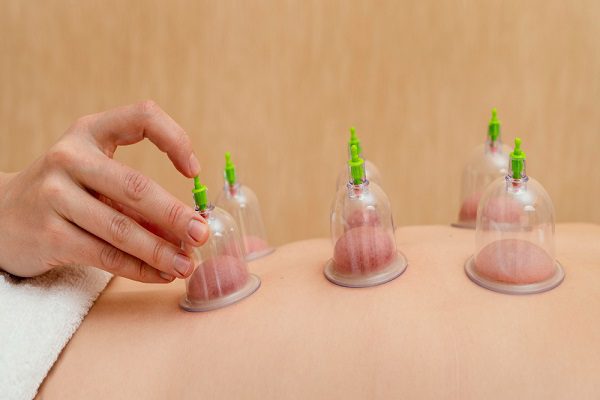
Is Cupping (Hijama) from the Sunnah? Exploring Authentic Islamic Narrations For centuries, practitioners have utilized cupping therapy, known as Hijama in Arabic, for its potential healing benefits. But is this ancient practice merely a traditional remedy, or does it hold a significant place within Islamic teachings? This blog post delves into authentic Islamic narrations (Sunnah) to explore the roots of Hijama and its connection to the practices of Prophet Muhammad (peace be upon him). Understanding the Sunnah and Prophetic Medicine The term “Sunnah” refers to the practices, sayings, and approvals of Prophet Muhammad (peace be upon him). For Muslims, the Sunnah serves as a primary source of guidance after the Quran. Within the Sunnah lies “Tibb Nabawi,” or Prophetic Medicine, which encompasses remedies and health advice the Prophet (peace be upon him) recommended or practiced. Authentic Narrations (Hadith) on Cupping (Hijama) Numerous authentic Hadith (narrations) highlight the Prophet’s (peace be upon him) endorsement and practice of Hijama. These narrations firmly establish cupping as a significant aspect of Prophetic Medicine. Hijama: A Recommended Remedy Anas ibn Maalik (may Allah be pleased with him) reported that the Messenger of Allah (Sallallaahu Álayhi Wasallam) said, “Indeed, the best of remedies you have is cupping (Hijama)…” [Sahih al-Bukhari (5371)]. This powerful statement underscores the Prophet’s (peace be upon him) high regard for cupping as a therapeutic method. Abu Hurairah (may Allah be pleased with him) narrated that the Messenger of Allah (Sallallaahu Álayhi Wasallam) stated, “If there is any good in your remedies, it is in cupping (Hijama).” [Sahih Muslim (2205)]. This emphasizes the potential benefits and efficacy that the Prophet (peace be upon him) associated with Hijama. Angelic Endorsement of Hijama Abdullah ibn Abbas (may Allah be pleased with him) reported that the Messenger of Allah (Sallallaahu Álayhi Wasallam) said, “I did not pass by any group of angels on the night journey except that they said to me, ‘O Muhammad, order your Ummah (nation) to use cupping (Hijama).’” [Sunan Ibn Majah (3477)]. This narration highlights the significance of Hijama, even to the angels. The Prophet (PBUH) Practiced Hijama Authentic narrations detail instances where the Prophet Muhammad (peace be upon him) himself underwent cupping for various reasons. These personal practices further solidify Hijama’s place within the Sunnah. Timing of Hijama Several Hadith also mention specific times when the Prophet (peace be upon him) recommended performing Hijama, such as the 17th, 19th, or 21st day of the Islamic lunar month. This indicates a level of guidance and specificity associated with the practice. Benefits of Reviving the Sunnah of Hijama By understanding and practicing Hijama based on authentic Sunnah, Muslims can: Follow theProphet’s (peace be upon him) recommendations and practices. Potentially experience the therapeutic benefits associated with cupping. Revive a significant aspect of Prophetic Medicine within their lives. Experience the Sunnah of Hijama in Ontario At Chaudhry Clinic in Mississauga and Toronto, Ontario, our skilled and knowledgeable practitioners offer professional and hygienic Hijama services rooted in authentic Islamic traditions. We understand the significance of this Prophetic remedy and strive to provide a comfortable and beneficial experience. Ready to Experience the Benefits of Hijama? Book your authentic Hijama session at Chaudhry Clinic today! Book Your Hijama Session

