
Understanding Skin Reactions After Hijama: What to Expect
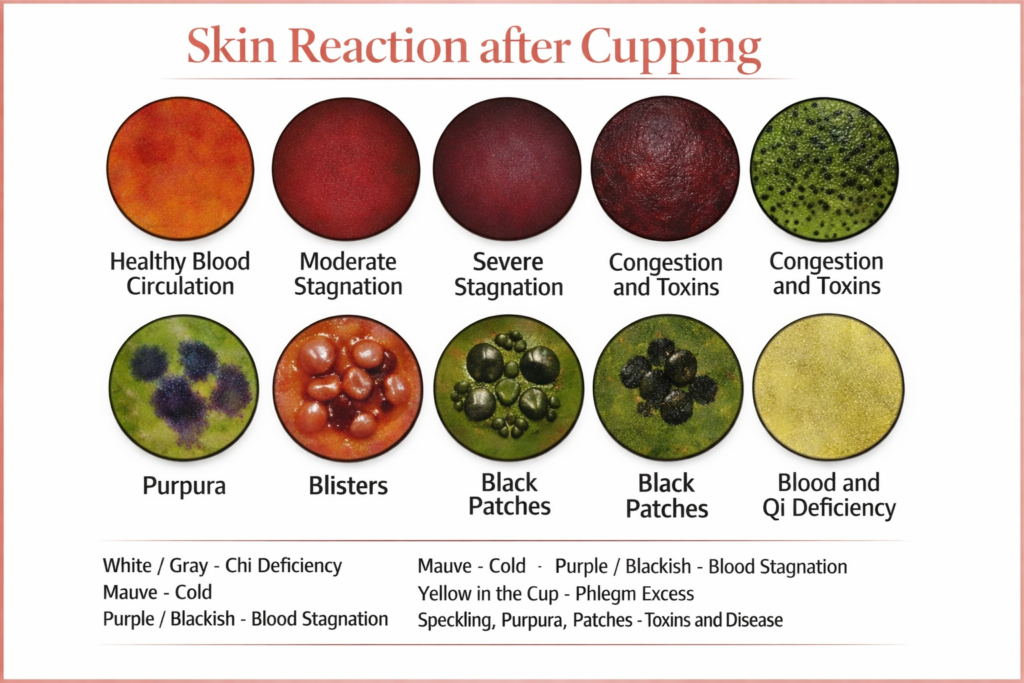
Introduction to Hijama and Skin Reactions Hijama, also known as cupping therapy, is a traditional therapeutic practice that involves creating controlled suction on the skin. This technique is widely used to support blood circulation, promote relaxation, and help the body manage various health concerns. While hijama is generally considered safe when performed by trained practitioners, it may cause temporary and visible skin reactions. Understanding these effects helps individuals feel more prepared and confident before and after treatment. Why Skin Reactions Occur After Hijama During hijama, suction is applied to targeted areas of the skin, which increases local blood flow and stimulates underlying tissues. This process may result in temporary skin discoloration. The appearance of marks is primarily due to changes in circulation in areas where blood flow may have been restricted or sluggish. As a result, the skin may show color variations ranging from light red to dark purple. These marks are usually temporary and tend to fade within 3 to 7 days, depending on an individual’s overall health and skin sensitivity. How to Manage Skin Reactions After Hijama Skin changes after hijama are a normal part of the healing response and typically do not indicate any harm. Most individuals do not experience significant pain, and many report a sense of relief following the session. Some practitioners believe that hijama may assist the body’s natural cleansing processes by encouraging the movement of stagnant fluids. While scientific interpretations vary, patients often notice that the intensity of skin markings reduces in subsequent sessions, suggesting improved circulation over time. To support recovery, mild physical activity or light sweating after treatment may help the body’s natural metabolic processes. However, it is important to stay hydrated and follow post-treatment care instructions provided by a qualified practitioner. Rare Side Effects In uncommon cases, small fluid-filled blisters may appear on the treated area. These are generally mild and resolve on their own with basic care and hygiene. If any unusual or persistent symptoms occur, it is advisable to consult a healthcare professional. Conclusion Hijama is a widely practiced therapy with a long history of traditional use. Temporary skin reactions such as discoloration are normal and usually harmless. With proper knowledge and aftercare, individuals can better understand these effects and benefit from the overall therapeutic experience. Wet Cupping mark type and colour Explained Water drops in the cup, cold or dampness Blisters/bubbles after cupping, normally means dampness, accumulated fluids in the tissues, and cold Pale skin marks after cupping, feel cold on the skin; deficiency cold or dampness Dark, purple spot cupping marks , stagnation and cold Light or bright red spot cupping marks, Qi and blood deficiency, Yin deficiency Little dark spots scattered in the cupping mark, deep Qi and blood stagnation Skin lines in the cupping marks or itch feeling after cupping, wind or dampness skin after cupping Mudasser Chaudhry is certified, and registered to perform Hijama he is also registered homeopathy herbalist acupuncturist and Traditional Chinese Medicine in Toronot and Mississauga Call Chaudhry Clinic today at 416-778-1390 or book an appointment online.

