
No products in the cart.
Frequently Asked Question About Hijama
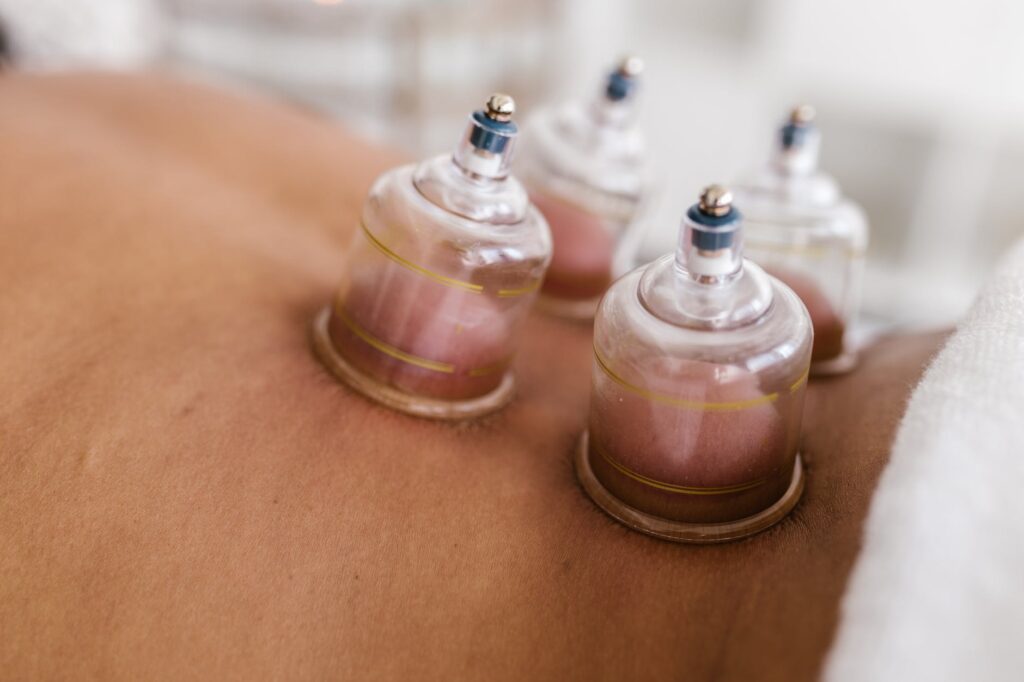
Frequently Asked Question About Hijama (Wet Cupping) Frequently Asked Questions About Hijama (Wet Cupping) Welcome to our page addressing common questions about Hijama, also known as Wet Cupping. Discover the significant benefits of Hijama, its deep-rooted history in Prophetic medicine, a clear explanation of the Hijama procedure, and essential aftercare guidelines. If you’re searching for answers to your questions about Hijama or looking for a practitioner offering Hijama near you, you’ve come to the right place. Various cups used in Hijama (Wet Cupping) therapy. Book Hijama Appointment Understanding Hijama (Wet Cupping) A common question is: What exactly is Hijama, also known as Wet Cupping? It’s an ancient therapeutic method deeply embedded in traditional medicine, notably Islamic (Prophetic) medicine. This practice involves applying localized suction to the skin using specialized cups and then making small, superficial incisions to gently draw out a small quantity of blood. The primary aim of Hijama is to remove toxins, enhance blood circulation, and promote the body’s natural healing processes. Understanding what Hijama is often the first question for those exploring its benefits. Hijama has a long history across diverse cultures, including ancient Egyptian and Chinese civilizations. A practitioner performing the Hijama (Wet Cupping) procedure. The History and Significance of Hijama People often ask about the historical significance of Hijama. Its origins can be traced back thousands of years. Its importance within Islam stems from the Hadiths, the sayings and practices of Prophet Muhammad (peace be upon him), who advocated for Hijama as a beneficial treatment for various ailments. The Prophet (PBUH) himself underwent Wet Cupping. This profound historical and religious context underscores its significance for individuals globally who seek traditional and holistic approaches to well-being. Understanding this history is a key part of understanding the benefits of Hijama. “The best of treatments you use is Hijama.” – Prophet Muhammad (PBUH), Sahih Bukhari Common Questions About Hijama 1. Finding a Qualified Hijama Practitioner A common question is about finding qualified practitioners for Hijama. It’s crucial to seek out well-trained professionals. This may include Registered Acupuncturists, Traditional Chinese Medicine Practitioners, or other licensed healthcare professionals with specific training in Wet Cupping techniques. Ensure they adhere to strict safety and hygiene protocols established by regulatory bodies. Always ask about their credentials and experience before undergoing Hijama. You can verify registration with relevant professional organizations to find registered professionals offering Hijama near you and get answers about practitioner qualifications. 2. Typical Body Locations for Hijama (Wet Cupping) Another frequent query concerns the typical locations for Hijama. While traditional Hijama is often performed on the back, particularly between the shoulder blades following the Sunnah, modern practitioners may apply cups to various areas of the body depending on your specific health condition and the intended benefits of Hijama. A comprehensive assessment by a skilled Hijama practitioner will determine the most effective locations for your Wet Cupping therapy, addressing questions about treatment areas. 3. Pain During the Hijama Procedure: What to Expect People often ask about the pain associated with the Hijama procedure. The sensation experienced during the Hijama procedure varies among individuals. The initial suction from the cups might feel like a firm pulling sensation on the skin. The small incisions made are superficial and are usually described as mild pricks or light scratches, not deeply painful. Most people find the Wet Cupping process quite tolerable. Experienced Hijama practitioners are trained to minimize any potential discomfort. 4. Blood Volume in a Hijama (Wet Cupping) Session A common concern relates to the volume of blood drawn during Hijama. The amount of blood drawn during a Hijama session is typically minimal, often just a few milliliters per cup. The primary goal of Wet Cupping is to remove stagnant or congested blood rather than extracting a large volume. The exact amount will depend on your individual condition and the practitioner’s professional judgment. Reputable Hijama clinics prioritize your safety and will not remove an excessive amount of blood. 5. Potential Health Benefits of Hijama A very common question revolves around the health benefits of Hijama. Many people around the world seek Hijama for its wide range of potential health benefits. These may include relief from various types of pain (such as back pain and headaches), improved blood circulation, detoxification of the body, reduction of inflammation, alleviation of stress and anxiety, and supportive treatment for numerous health conditions. While anecdotal evidence and some studies suggest significant benefits of Wet Cupping, ongoing scientific research continues to explore its efficacy. 6. Side Effects Associated with Hijama Another frequent concern involves the potential side effects of Hijama. The side effects of Hijama are generally mild and temporary. Common occurrences include slight bruising, localized soreness, or temporary skin discoloration in the areas where the cups were applied. Adhering to proper hygiene and the aftercare instructions provided by your Hijama practitioner is essential to minimize any risk of infection. 7. Preparing for Your Hijama Appointment People often ask how to prepare for their Hijama appointment. Your chosen Hijama practitioner will give you specific preparation guidelines. Generally, it’s advisable to ensure you are well-hydrated, avoid heavy meals in the hours leading up to your session, and inform your practitioner about any medications you are currently taking or any underlying health issues you may have. Proper preparation can enhance the benefits of Hijama. 8. Aftercare Following Hijama (Wet Cupping) A common question involves the aftercare following Hijama. Post-Hijama aftercare instructions typically involve keeping the treated areas clean and covered with a sterile dressing for a short period, avoiding strenuous physical activities, maintaining good hydration, and possibly avoiding certain foods or drinks as advised by your practitioner. Following these aftercare guidelines is crucial for promoting healing and preventing any potential complications after your Wet Cupping session. 9. Number of Hijama Sessions Needed People frequently inquire about the number of Hijama sessions needed. This can vary significantly depending on your individual health concerns and how your body responds to the therapy. Some individuals may experience noticeable benefits of Hijama after just one session, while
