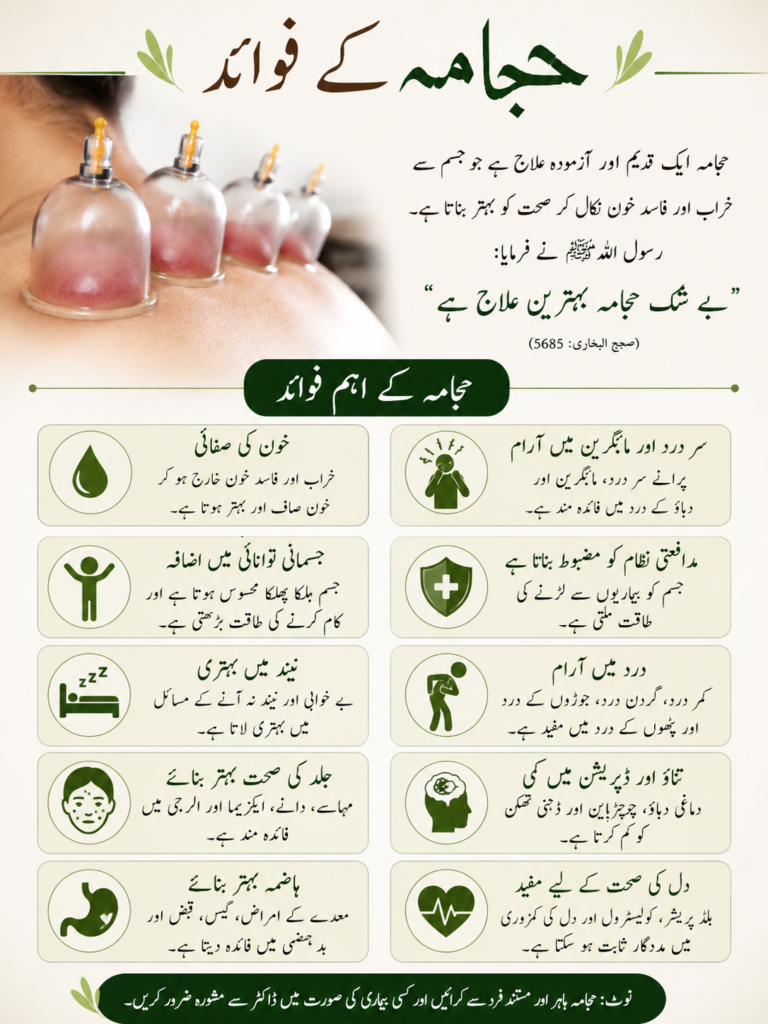
حجامہ کے فوائد حجامہ کے طبی اہمیت حجامہ ایک قدیم طریقۂ علاج ہے جو مختلف معاشروں میں جسمانی توازن اور عمومی صحت کے لیے استعمال کیا جاتا رہا ہے۔ بہت سے افراد اسے اپنے صحت مند طرزِ زندگی کا حصہ بناتے ہیں۔ تاہم، کسی بھی علاج سے پہلے مستند اور تجربہ کار معالج سے مشورہ ضروری ہے۔ دورانِ خون کی بہتری حجامہ جسم میں خون کی گردش بہتر بنانے میں معاون سمجھا جاتا ہے۔ بعض ماہرین کے مطابق بہتر دورانِ خون جسم کے مختلف حصوں تک غذائی اجزاء اور آکسیجن کی مؤثر تر فراہمی میں مدد دے سکتا ہے۔ اس کے علاوہ، یہ لمفی نظام اور خون کی نالیوں کی عمومی فعالیت میں معاون تصور کیا جاتا ہے۔ دل کی صحت پر ممکنہ اثرات بعض مطالعات کے مطابق حجامہ جسمانی سکون اور خون کی روانی میں معاون ہو سکتا ہے، جو عمومی قلبی صحت کے لیے فائدہ مند سمجھا جاتا ہے۔ قوتِ مدافعت کی حمایت کچھ افراد کا ماننا ہے کہ یہ طریقہ جسم کے مدافعتی نظام کی فعالیت کو سپورٹ کر سکتا ہے اور جسم کو روزمرہ موسمی تبدیلیوں کے ساتھ بہتر انداز میں ہم آہنگ ہونے میں مدد دے سکتا ہے۔ ذہنی سکون اور آرام بہت سے لوگ حجامہ کے بعد جسمانی ہلکا پن، ذہنی سکون اور آرام محسوس کرتے ہیں۔ اسی وجہ سے اسے بعض اوقات ذہنی دباؤ کم کرنے کے معمولات میں بھی شامل کیا جاتا ہے۔ جلد اور عمومی فلاح بعض افراد جلد کی تازگی اور جسمانی صفائی کے احساس کے لیے بھی اس طریقے کو ترجیح دیتے ہیں۔ اس کے ساتھ ساتھ ڈرائی کپنگ اور مساج کپنگ بھی استعمال کی جاتی ہیں۔ خلاصہ حجامہ ایک معروف روایتی طریقۂ علاج ہے جسے مختلف افراد عمومی صحت اور جسمانی توازن کے لیے استعمال کرتے ہیں۔ چونکہ ہر فرد کی طبی حالت مختلف ہوتی ہے، اس لیے علاج شروع کرنے سے پہلے مستند معالج سے مشورہ کرنا بہتر ہوتا ہے۔ داخلی روابط (Internal Links): حجامہ کیا ہے؟ حجامہ کے بعد احتیاطیں ڈرائی کپنگ کیا ہے؟ ایکیوپنکچر کے فوائد خارجی روابط (Outbound Links): World Health Organization (WHO) National Center for Complementary and Integrative Health (NCCIH) تصاویر:Image 1 ALT:حجامہ کے فوائد اور طبی اہمیت Image 2 ALT:دوران خون کے لیے حجامہ Image 3 ALT:حجامہ اور جسمانی توازن ۔ حجامہ ایک روایتی علاجی طریقہ ہے جس میں جسم کے مخصوص حصوں پر کپ (Cups) لگا کر دباؤ پیدا کیا جاتا ہے۔ اس طریقے کا مقصد خون کی گردش کی سپورٹ کرنا، جسمانی آرام کو فروغ دینا اور مجموعی صحت کے توازن میں مدد فراہم کرنا سمجھا جاتا ہے۔ حجامہ صدیوں سے مختلف روایتی علاجی نظاموں میں استعمال کیا جاتا رہا ہے اور آج بھی بہت سے افراد اسے قدرتی صحت کے طریقوں کے طور پر اختیار کرتے ہیں۔
Mudasser Chaudhry is certified, and registered to perform Hijama he is also registered homeopathy herbalist acupuncturist and Traditional Chinese Medicine in Toronot and Mississauga Call Chaudhry Clinic today at 416-778-1390 or book an appointment online.
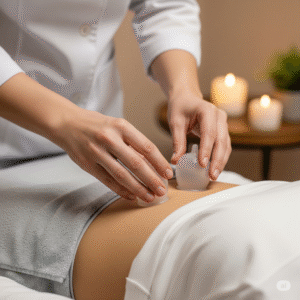
Hijama for Colic: Natural Relief for Digestive Discomfort Hijama for Colic: Natural Relief for Digestive Discomfort If you’re seeking a natural and effective solution for the distressing symptoms of colic, Hijama for colic offers a promising therapeutic approach. This ancient practice, also known as wet cupping, can provide significant relief by targeting the underlying causes of digestive discomfort. By reducing inflammation, improving blood circulation within the digestive system, and promoting the body’s innate healing capabilities, Hijama therapy for colic can help alleviate painful cramps and bloating. A gentle Hijama session can help alleviate colic symptoms. How Hijama Therapy Provides Colic Relief Hijama for colic works through the strategic application of suction cups to the skin. This technique offers several key benefits for individuals experiencing colic: Reduces Digestive Inflammation: Hijama directly addresses and helps diminish the inflammation in the digestive tract that often contributes to the pain and discomfort associated with colic. Promotes Better Digestion: By enhancing blood flow to the abdominal region, Hijama therapy supports and improves overall digestive function, thereby easing common colic symptoms such as bloating and cramps. Research on Cupping and Digestive Health Alleviates Abdominal Pain from Colic: The improved circulation and energy flow resulting from Hijama can significantly reduce the abdominal pain and cramping characteristic of colic. Supports Detoxification for Digestive Health: Wet cupping aids in the removal of toxins and metabolic waste products that can contribute to digestive imbalances and exacerbate colic. Learn more about detox cupping Boosts Immune Function to Aid Digestive Wellness: A robust immune system can help manage inflammatory responses that may worsen colic symptoms, and Hijama has been shown to support overall immune health. Why Choose Hijama as a Natural Colic Treatment? It offers a natural and drug-free approach to colic treatment. Hijama therapy for colic is generally considered safe and non-invasive, with minimal reported side effects. It aims to address the fundamental causes of colic, rather than just treating the superficial symptoms. Hijama for colic can be effectively integrated with other treatments to provide enhanced relief. The Science and Tradition Supporting Hijama for Digestive Health Contemporary research is increasingly validating the therapeutic effects of cupping therapy, including its ability to reduce inflammation and improve circulation. Historically, Hijama boasts a rich heritage, with mentions in ancient medical texts and Islamic prophetic traditions underscoring its benefits for various health issues, including digestive ailments. Islamic Perspectives on Hijama Who Can Experience Relief from Colic with Hijama? Individuals who frequently experience persistent or recurring colic. Those suffering from significant abdominal pain, bloating, and cramping linked to digestive problems. People diagnosed with conditions such as IBS or indigestion who also suffer from colic-like symptoms. Anyone seeking a natural and holistic method to improve their digestive health and find effective relief from colic. Chaudhry Clinic: Your Experienced Practitioners of Hijama Therapy Our clinic is staffed by certified and highly experienced Hijama practitioners. We maintain a rigorously clean and hygienic environment to ensure your comfort and safety during your session. We provide personalized Hijama treatment plans specifically designed to address your individual needs for colic relief. We blend traditional healing techniques with the latest medical understanding to deliver comprehensive and effective care. Find Natural Relief from Colic with Hijama Book Your Hijama Session Today Or call us at 416-778-1390 to schedule your consultation. Disclaimer: Hijama therapy should always be performed by qualified practitioners. Please consult with a healthcare professional for any underlying health concerns.
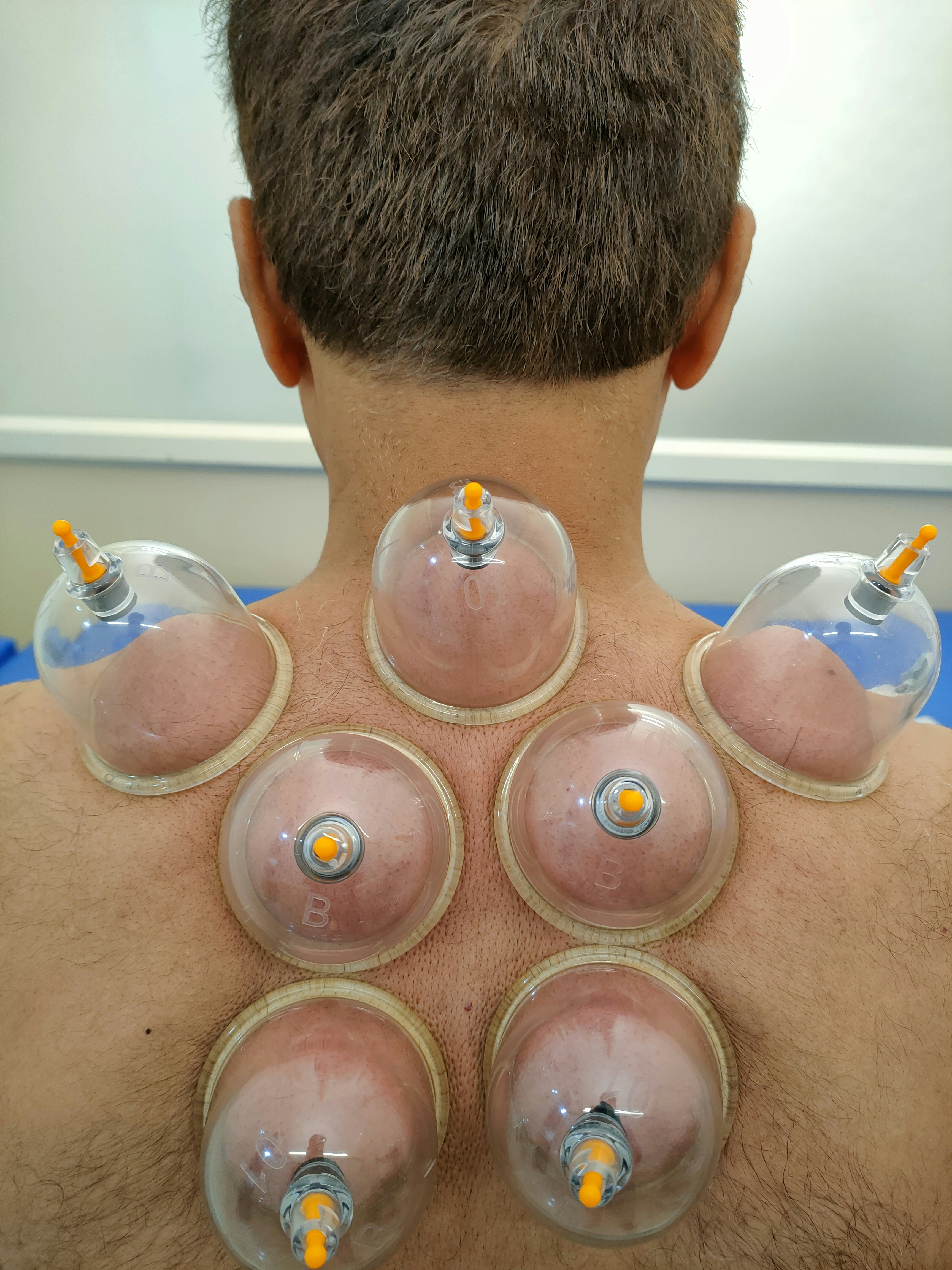
Preparing for Your Hijama Session Before undergoing hijama, it’s crucial to prepare yourself adequately. It is recommended that you fast for at least 2-3 hours prior to the treatment. Cupping on an empty stomach is often considered the best practice. As stated in Sahih Sunan Ibn Maajah, ‘in it is a cure and blessing.’ Performing ghusl, or a ritual bath, before your session is also encouraged. Abdullah bin Az-Zubair reported that Aisha (ra) mentioned that the Prophet (saw) would perform ghusl for several reasons, including before cupping. What to Do Before Cupping Additionally, ensure that you drink plenty of water to stay hydrated and wear comfortable clothing. It’s important to inform your therapist about any medications you are taking. Being well-prepared can significantly enhance the effectiveness of the hijama treatment. Aftercare Following Hijama Treatment Post-treatment, healing marks can take anywhere from 2 days to a week to heal, but sometimes it may take up to 2 weeks. To restore energy levels, consider eating dates or drinking honey mixed with water. Resting for the next 24 hours while avoiding strenuous activities is recommended. It’s also advised to avoid marital relations for this duration. To assist in detoxifying your body, drink plenty of water and avoid meat and dairy for 24 hours. Using olive or black seed oil on the cupped areas can soothe any irritation. After a day, you may take a warm shower, but avoid soaps and shower gels on the cupped areas to aid the healing process. Hijama has many benefits, particularly in maintaining well-being during hot weather, and as reported, it is a recommended practice.
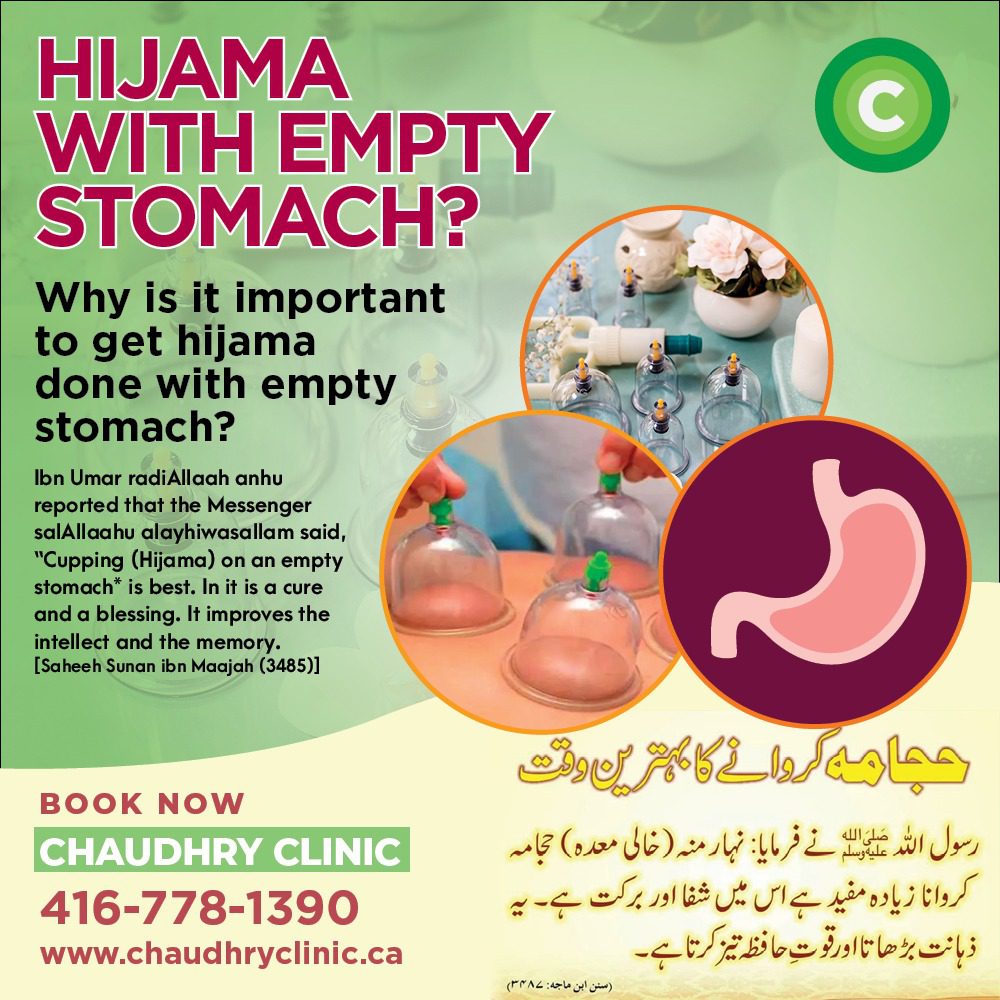
Understanding Hijama Hijama, or cupping therapy, has been practiced for centuries as a holistic healing method. As recommended in a hadith narrated by Abdullah ibn Umar, the Prophet Muhammad (peace and blessings be upon him) emphasized that hijama is most effective when performed on an empty stomach. This guidance encourages the integration of physical and spiritual well-being. Benefits of Hijama on an Empty Stomach Engaging in hijama while fasting enhances its therapeutic effects. The absence of food in the stomach allows for better circulation and toxin removal from the body. This state is believed to amplify the benefits, leading to improved mental clarity, intellect, and memory, as highlighted in the saying that hijama provides cures and blessings. The process facilitates a deeper release of tension and aids the body’s natural detoxification. Conclusion In summary, performing hijama on an empty stomach is more than just a recommendation; it is a practice rooted in tradition and spiritual significance. By adhering to this method, individuals can unlock the full potential of this ancient therapy, nurturing both their body and mind. Therefore, consider scheduling your next hijama session while observing a fast to fully embrace its benefits.

