آکو پنکچر کیا ہے اور کیسے کام کرتا ہے آکو پنکچر لاطینی زبان کا لفظ ہے جس کا مطلب سوئی چھبونا ہے آکو پنکچر دنیا کا قدیم ترین طریقہ علاج ہے پرانے چائینزڈاکٹروں اور حکیموں نے جسم میں توانائی عدم توازن یا رکاوٹ کو بیماریوں کا سبب بیان کیا ہے سوئیوں کے ذریعے توانائی کے اس توازن یا رکاوٹ کو دور کیا جاتا ہے۔ آکو پنکچر پوائنٹ جسم پر ایسے نقطے میں جہاں کی جلد کی برقی اس کا مطلب یہ ہوا کہ ایسے نقاط جسم میں برقی قوت یعنی مزاحمت کم ہوجاتی ہےایسے نقاط کم ہوجاتی پر سوئی چھبوکر اس برقی طاقت کو ٹھیک کیا جاتا ہے پرانے زمانے میں نوکیلے پتھروں، ہڈیوں یا بانس کی بنی ہوئی تیلوں سے آکو پنکچر کیا جاتا تھا لیکن اب اسٹیل لیس اسٹیل کی ایسی سوئیاں تیار ہورہی ہیں جو کہ بہت زیادہ فائدہ مند اور بہتر ہیں چائنز معالجوں نے جو آکو پنکچر پوائنٹس کا علم دیا تھا۔ آج اس کی میڈیکل سائنس بھی تصدیق کرتی ہے اور ایک مخصوص فوٹو گرافی کے ذریعے ان پوائنٹ کو دیکھا بھی جاسکتا ہے چائنز کے پورے جسم میں چودہ گزرگاہیں یعنی بنائے ہیں جن پر آکو پنکچر کرنے سے تمام بیماریاں دور ہوجاتی ہیں کینیڈا اور امریکہ میں باقاعدہ طور پر آکو پنکچر 1971ء میں شروع ہوا جب سابق صدر نکسن کے دورہ چین کے موقع پر 25جولائی 1971ء میں نیو یارک ٹائمز میں حمیس اسٹن کا مضمون شائع ہوا جس میں اس نے بتایا کہ آپریشن کے بعد درد دور کرنے کی ہر دوا ناکام ثابت ہوئی تو آکو پنکچر کامیاب ہوا کہ ہر درد جاتا رہا عالمی ادارہ صحبت نے 1979آکو پنکچر کو 43بیماریوں کے علاج کے لئے فائدہ مند قرار دیا ہے۔ آکو پنکچر کی اقسام کان کا آکو پنکچر کان کو غور سے دیکھنے پر ایسا معلوم ہوتا ہے جیسا کہ رحم مادر میں بچہ ہوتا ہےاسی مناسب سے جسم کے ہر حصے کے پوائنٹ کان میں موجود ہیں امریکہ کا منظور شدہ پروگرام ہے جو کہ جسم کرنے کا سب سے مفید ثابت ہورہا ہے۔ سگریٹ چھوڑنے کی عادت بھی اس سے ختم ہوجاتی ہے سر کا آکو پنکچر دماغ ہی وہ عضو ہے جو کہ سارے جسم کو کنٹرول کرتا ہے دماغ کےپر مختلف حصوں کی نشاندہی ہوتی ہے جس سے بہت زیادہ ذہنی بیماریوں کا کامیاب علاج ہوتا ہے ہاتھ پر آکو پنکچر اس طریقہ میں ہاتھ یا پیر کی درمیانی انگلیوں کو ٹانگیں سمجھا جاتا ہے باقی دو انگلیاں بازو کو ظاہر کرتی ہیں۔ ان مقامات پر آکو پنکچر کرنے سے بھی بہت زیادہ فائدہ ہوتا ہے لیزرآکو پنکچر نئی سائنسی دریافت لیزز شعاعیں کی مدد سے پوائنٹ کو متحرک کیا جاتا ہے اور بیماریاں دورہوتی ہیں۔ مدثر چوہدری ایک رجسٹرڈ آکو پنکچرسٹ ہیں مزید معلومات کیلئے 416-778-1390چوہدری کلینک فون نمبر chaudryclinic@hotmail.com
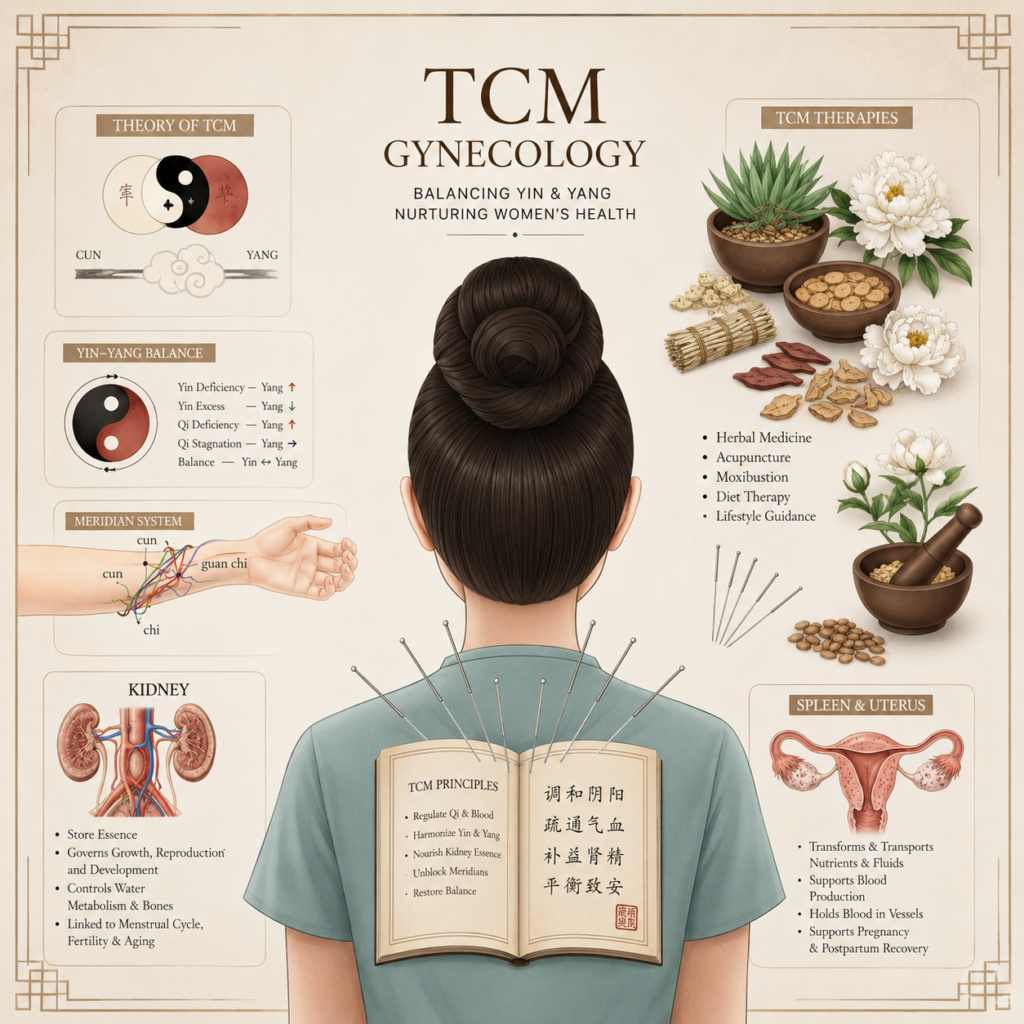
Gynecology Treatment in Traditional Chinese Medicine (TCM) Traditional Chinese Medicine (TCM) offers a natural and holistic approach to supporting women’s health and overall well-being. TCM focuses on restoring balance within the body and may help promote healthy reproductive function through personalized treatment plans. Conditions Commonly Addressed Menstrual irregularities Painful periods (Menstrual cramps) Irregular or heavy bleeding Premenstrual discomfort (PMS) Menopause-related symptoms Hormonal imbalance support Fertility and reproductive wellness support Polycystic ovarian concerns (PCOS support) Stress-related women’s health concerns Digestive and energy balance during hormonal changes Treatment Methods May Include Acupuncture Herbal medicine (where appropriate) Dietary and lifestyle recommendations Cupping therapy Wellness and stress management support Our Approach Traditional Chinese Medicine views women’s health as a connection between body balance, circulation, energy flow, and overall wellness. Each treatment plan is individualized based on a detailed consultation and assessment. Our goal is to support comfort, balance, and long-term wellness using traditional healing principles in a professional and caring environment. Book your consultation today to learn how Traditional Chinese Medicine may support your health journey.
Why Do Acupuncturists Ask So Many Questions? TCM Diagnosis Explained Meta Title: Why Do Acupuncturists Ask So Many Questions? | TCM Diagnosis Meta Description: Discover why acupuncturists ask detailed questions and how the TCM Ten Questions, tongue, and pulse diagnosis help create a personalized treatment plan. Why Do Acupuncturists Ask So Many Questions? If you are new to acupuncture, you may wonder why your practitioner asks so many detailed questions about your health, sleep, digestion, emotions, pain, and daily habits. In Traditional Chinese Medicine (TCM), these questions are an important part of a comprehensive assessment. Acupuncturists look beyond a single symptom to understand patterns that may be contributing to your overall health concerns. The TCM Ten Questions, together with tongue and pulse diagnosis, help practitioners develop a more individualized treatment approach. What Are the Ten Questions in TCM? The traditional Ten Questions in TCM diagnosis explore: Temperature: Feeling hot, cold, fever, or chills Sweating: Daytime sweating, night sweats, or unusual sweating Head & Face: Headaches, dizziness, eyes, ears, and facial symptoms Pain: Location, intensity, nature, and triggers of pain Urine & Stool: Urinary and bowel habits Thirst & Digestion: Thirst, appetite, food preferences, and taste Sleep: Sleep quality, insomnia, waking, and dreams Chest & Abdomen: Chest, abdominal, epigastric, and hypochondriac symptoms Gynecological Health: Menstrual cycle, reproductive health, and related concerns Emotional Health: Stress, mood, anxiety, and other emotional patterns How the Ten Questions Help TCM Diagnosis 1. Temperature Questions about heat and cold can help identify patterns traditionally described as Cold, Heat, Yin Deficiency, or external conditions. 2. Sweating The timing and type of sweating may provide clues about patterns involving Qi, Yin, or Yang according to TCM theory. 3. Head and Face Headaches, dizziness, and eye or ear symptoms are assessed based on their location, timing, and characteristics to help identify possible TCM patterns. 4. Pain Whether pain is sharp, dull, fixed, moving, heavy, or better with pressure can provide important diagnostic information. TCM may associate these characteristics with patterns such as Qi Stagnation, Blood Stasis, or Cold. 5. Urine and Stool Bowel and urinary habits provide information about digestion, fluid metabolism, and overall functional patterns within the TCM framework. 6. Thirst, Appetite, and Taste Changes in appetite, thirst, food preferences, and taste can offer clues about digestive and fluid-related patterns. 7. Sleep Insomnia, frequent waking, vivid dreams, or difficulty staying asleep can contribute to the overall TCM assessment. 8. Chest and Abdomen Chest, abdominal, epigastric, or rib-side discomfort is assessed carefully because its location and nature may help identify specific TCM patterns. 9. Gynecological Health Menstrual cycles, menstrual pain, fertility, and other reproductive concerns may be discussed when relevant. This helps the practitioner assess patterns traditionally associated with the Liver, Kidney, and Spleen. 10. Emotional and Mental Well-Being Stress, emotional changes, and sleep patterns are also considered in TCM. Emotional well-being is traditionally viewed as closely connected with the body’s functional systems. Why Are These Questions Important? Two people can have the same symptom but different underlying TCM patterns. For example, two patients with headaches may have different triggers, locations, sensations, sleep patterns, digestion, and tongue or pulse findings. That is why an acupuncturist does not simply treat the symptom. The goal of the TCM assessment is to understand the individual pattern and develop a personalized treatment strategy. Acupuncture Assessment at Chaudhry Clinic At Chaudhry Clinic, acupuncture assessments consider your symptoms, health history, lifestyle, and relevant TCM diagnostic findings to help create an individualized approach to care. Important: TCM diagnostic terms describe a traditional medical framework and should not be interpreted as a substitute for a medical diagnosis. Persistent or serious symptoms should be evaluated by an appropriate healthcare professional. Related Topics Acupuncture and Traditional Chinese Medicine What to Expect During Your First Acupuncture Visit TCM Tongue Diagnosis TCM Pulse Diagnosis Benefits and Uses of Acupuncture Questions in TCM diagnosis used by acupuncturists