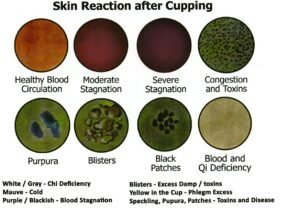
Introduction to Hijama and Skin Reactions Hijama, commonly known as cupping therapy, involves creating suction on the skin, aimed at promoting blood circulation and alleviating various ailments. However, after undergoing this treatment, many individuals experience notable skin reactions. Understanding these reactions can help patients prepare and manage them effectively. What Causes Skin Reactions? When suction is applied during hijama, it can lead to a temporary discoloration of the skin. This occurs because the procedure stimulates circulation in areas where blood flow has been sluggish or compromised. Consequently, the level of stagnation determines the hues of marks left on the skin, ranging from bright red to dark purple. Typically, these marks may last for three days to a week, depending on the individual’s health condition. Managing Skin Reactions After Hijama Many clients report that the suction pulls toxins and waste products from deep within body tissues to the skin’s surface. While the resulting marks might seem alarming, they do not usually cause pain. In fact, clients often experience immediate relief after treatment. It’s common to observe lighter marks in subsequent sessions, indicating the effective removal of stagnation and toxins. Engaging in sweat-inducing activities post-treatment can further aid in detoxification and enhance results. In rare cases, patients may develop blisters filled with fluid under the skin. While they can appear uncomfortable, they resolve quickly with appropriate care. Being informed about these processes enhances the overall experience of hijama, allowing individuals to appreciate the health benefits while managing skin reactions effectively. Wet Cupping mark type and colour Explained Water drops in the cup, cold or dampness Blisters/bubbles after cupping, normally means dampness, accumulated fluids in the tissues, and cold Pale skin marks after cupping, feel cold on the skin; deficiency cold or dampness Dark, purple spot cupping marks , stagnation and cold Light or bright red spot cupping marks, Qi and blood deficiency, Yin deficiency Little dark spots scattered in the cupping mark, deep Qi and blood stagnation Skin lines in the cupping marks or itch feeling after cupping, wind or dampness skin after cupping Mudasser Chaudhry is certified, and registered to perform Hijama he is also registered homeopathy herbalist acupuncturist and Traditional Chinese Medicine in Toronot and Mississauga Call Chaudhry Clinic today at 416-778-1390 or book an appointment online.
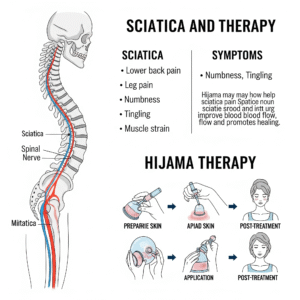
What is Sciatica? Sciatica is a painful condition that arises from the compression or irritation of the spinal nerve roots. This discomfort often radiates down the legs and can significantly impact an individual’s quality of life. While many believe that heavy lifting is the primary cause of sciatica, the reality is that the accumulation of dry debris around the spine can lead to nerve compression. This accumulation may result from various factors, including poor posture and sedentary lifestyles. The Role of Hijama Therapy According to Mudasser Chaudhry, a registered hijama practitioner with expertise in Chinese medicine, hijama therapy can be an effective alternative treatment for sciatica. This ancient practice involves creating suction on specific points of the body to alleviate pain and improve blood circulation. By drawing out stagnant blood and toxins, hijama aims to reduce inflammation and promote healing, particularly in those suffering from nerve compression. Benefits of Choosing Hijama for Sciatica Relief The primary benefits of hijama therapy for sciatica sufferers include reduced pain, improved mobility, and a better overall sense of well-being. Many patients report significant relief after just a few sessions, making hijama a compelling option for those looking for drug-free alternatives. Additionally, often combined with lifestyle modifications and physical therapy, hijama can enhance recovery and prevent future flare-ups associated with sciatica. Mudasser Chaudhry is certified, and registered to perform Hijama he is also registered homeopathy herbalist acupuncturist and Traditional Chinese Medicine in Toronot and Mississauga Call Chaudhry Clinic today at 416-778-1390 or book an appointment online.
Days Hours Minutes Hijama Sunnah: A Path to Well-being Embracing Prophetic Medicine for Holistic Health Understanding Hijama Sunnah: A Path to Well-being Hijama, also known as cupping therapy, is a deeply rooted practice in traditional Islamic healing, strongly aligned with the Sunnah (the practices and teachings of the Prophet Muhammad). Engaging in Hijama on specific days of the Islamic lunar month is believed to offer significant benefits for both spiritual well-being and physical health. Importance of Lunar Dates for Hijama The best days for performing Hijama are the 17th, 19th, and 21st of the Islamic lunar month. This guidance is supported by numerous authentic narrations in the Hadith. As Anas ibn Maalik (radiAllaah anhu) reported, the Messenger (SalAllaahualayhiwasallam) said, “Whoever wants to perform cupping (hijama) then let him search for the 17th, 19th and 21st…” [Saheeh Sunan ibn Maajah (3486)]. The moon’s gravitational pull significantly influences all life forms on Earth, including humans. Just as it affects ocean tides, it impacts the fluids within the human body. According to Ibn Sina’s research, during the full moon, the body’s four humors (black & yellow bile, blood, and phlegm) are on the rise and in a state of agitation. As the moon wanes in the third week of the month, these fluids begin to recede, leaving behind residue in the upper parts of the body. Removing this residue through Hijama is believed to cleanse the blood and cardiovascular system. Optimal Timing for Hijama It is also important to consider the time of day. Ibn Umar (radiAllaah anhu) reported that the Messenger (salAllaahu alayhiwasallam) said, “Cupping (hijama) on an empty stomach is best. In it is a cure and a blessing. It improves the intellect and the memory.” [Saheeh Sunan ibn Maajah (3487)]. “On an empty stomach” (‘alaa ar-reeq) means to fast until after the cupping treatment is completed. Hijama is best performed during the daytime, between the adhaan of Fajr (dawn prayer call) and the adhaan of Maghrib (sunset prayer call). Hijama Schedule for Safar 1447 (AUGUST 2025) For those interested in scheduling a Hijama session this Muharram, specific dates have been designated for optimal benefit: For August 2025, these dates align with: 17 Safar 1447 AH → Monday, August 11, 2025 19 Safar 1447 AH → Wednesday, August 13, 2025 21 Safar 1447 AH → Friday, August 15, 2025 Why Choose Chaudhry Clinic for Hijama? At Chaudhry Clinic, we are committed to providing Hijama therapy in a safe, clean, and clinical environment, ensuring the maximum level of patient safety. We strictly follow the Sunnah guidelines for optimal results. Single-use disposable equipment to eliminate infection risks. Qualified, insured, and adequately trained practitioners. Clear explanation of treatment outcomes. Two convenient locations: Toronto and Mississauga. Female Hijama (wet cupping) practitioners available upon request. Mudasser Chaudhry, a registered Acupuncturist, Hijama Practitioner, Homeopath, Herbalist, Tibb a Nabvi, and Traditional Chinese Medicine practitioner, leads the clinic. He provides holistic services for chronic pain, infertility, depression, and other conditions. Book Your Session Today! To secure your spot for a Hijama session, please call us at: (416) 778-1390 You can also learn more about Chaudhry Clinic and our services through our online platforms: Facebook Page Chaudhry Clinic Website Mudasser Chaudhry is certified, and registered to perform Hijama he is also registered homeopathy herbalist acupuncturist and Traditional Chinese Medicine in Toronot and Mississauga Call Chaudhry Clinic today at 416-778-1390 or book an appointment online.
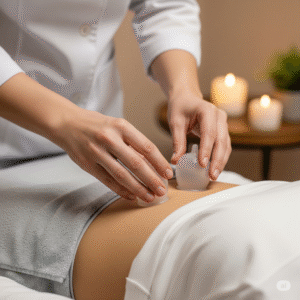
Hijama for Colic: Natural Relief for Digestive Discomfort Hijama for Colic: Natural Relief for Digestive Discomfort If you’re seeking a natural and effective solution for the distressing symptoms of colic, Hijama for colic offers a promising therapeutic approach. This ancient practice, also known as wet cupping, can provide significant relief by targeting the underlying causes of digestive discomfort. By reducing inflammation, improving blood circulation within the digestive system, and promoting the body’s innate healing capabilities, Hijama therapy for colic can help alleviate painful cramps and bloating. A gentle Hijama session can help alleviate colic symptoms. How Hijama Therapy Provides Colic Relief Hijama for colic works through the strategic application of suction cups to the skin. This technique offers several key benefits for individuals experiencing colic: Reduces Digestive Inflammation: Hijama directly addresses and helps diminish the inflammation in the digestive tract that often contributes to the pain and discomfort associated with colic. Promotes Better Digestion: By enhancing blood flow to the abdominal region, Hijama therapy supports and improves overall digestive function, thereby easing common colic symptoms such as bloating and cramps. Research on Cupping and Digestive Health Alleviates Abdominal Pain from Colic: The improved circulation and energy flow resulting from Hijama can significantly reduce the abdominal pain and cramping characteristic of colic. Supports Detoxification for Digestive Health: Wet cupping aids in the removal of toxins and metabolic waste products that can contribute to digestive imbalances and exacerbate colic. Learn more about detox cupping Boosts Immune Function to Aid Digestive Wellness: A robust immune system can help manage inflammatory responses that may worsen colic symptoms, and Hijama has been shown to support overall immune health. Why Choose Hijama as a Natural Colic Treatment? It offers a natural and drug-free approach to colic treatment. Hijama therapy for colic is generally considered safe and non-invasive, with minimal reported side effects. It aims to address the fundamental causes of colic, rather than just treating the superficial symptoms. Hijama for colic can be effectively integrated with other treatments to provide enhanced relief. The Science and Tradition Supporting Hijama for Digestive Health Contemporary research is increasingly validating the therapeutic effects of cupping therapy, including its ability to reduce inflammation and improve circulation. Historically, Hijama boasts a rich heritage, with mentions in ancient medical texts and Islamic prophetic traditions underscoring its benefits for various health issues, including digestive ailments. Islamic Perspectives on Hijama Who Can Experience Relief from Colic with Hijama? Individuals who frequently experience persistent or recurring colic. Those suffering from significant abdominal pain, bloating, and cramping linked to digestive problems. People diagnosed with conditions such as IBS or indigestion who also suffer from colic-like symptoms. Anyone seeking a natural and holistic method to improve their digestive health and find effective relief from colic. Chaudhry Clinic: Your Experienced Practitioners of Hijama Therapy Our clinic is staffed by certified and highly experienced Hijama practitioners. We maintain a rigorously clean and hygienic environment to ensure your comfort and safety during your session. We provide personalized Hijama treatment plans specifically designed to address your individual needs for colic relief. We blend traditional healing techniques with the latest medical understanding to deliver comprehensive and effective care. Find Natural Relief from Colic with Hijama Book Your Hijama Session Today Or call us at 416-778-1390 to schedule your consultation. Disclaimer: Hijama therapy should always be performed by qualified practitioners. Please consult with a healthcare professional for any underlying health concerns.

Hijama and Infertility: Exploring Cupping Therapy’s Role Couples navigating the often emotional journey of infertility naturally explore various avenues for support. While conventional medical treatments are primary, some individuals are turning to complementary therapies like Hijama and Infertility treatments. Hijama, also known as cupping therapy, is an ancient practice where practitioners apply suction cups to specific points on the body. Could this therapy offer a supportive role in addressing infertility? Let’s delve into the potential benefits and considerations. Understanding Hijama and Its Potential Benefits Hijama, or cupping therapy, is an age-old technique that practitioners believe stimulates blood flow and aids in the removal of toxins. They apply suction cups to the skin, creating a vacuum effect. This process is thought to promote healing and well-being, with some suggesting it may positively influence fertility. You can learn more about the general principles of cupping therapy from reputable sources like the National Center for Complementary and Integrative Health (NCCIH). While direct scientific research specifically examining the effects of Hijama and Infertility is still emerging, anecdotal evidence suggests potential benefits. Enhanced blood circulation and detoxification, key outcomes associated with Hijama, could contribute to a healthier reproductive system. However, it’s vital to approach this with a balanced perspective. The Importance of Integrated Approaches It is crucial to emphasize that Hijama should not be seen as a standalone cure for infertility. Instead, practitioners should consider it a complementary approach to conventional medical treatments, always administered by a qualified and experienced practitioner. If you are also exploring conventional treatments offered at our clinic, you might find our page on PCOS Treatment Options relevant, as PCOS is a significant factor in female infertility. For individuals considering Hijama and Infertility as part of their journey, seeking guidance from a healthcare professional knowledgeable in both conventional and alternative therapies is paramount. They can provide personalized advice on whether Hijama is a suitable addition to your overall fertility plan and recommend appropriate treatment frequency and duration. For more information on infertility, you can visit organizations like RESOLVE: The National Infertility Association. Remember, every fertility journey is unique. What benefits one individual may not benefit another. Approaching alternative therapies like Hijama with an open mind, realistic expectations, and in consultation with healthcare professionals is essential when considering Hijama and Infertility. Infertility, PCOS, and the Potential Role of Hijama We generally define infertility as the inability to achieve pregnancy after one year of regular, unprotected intercourse. This definition also encompasses women who experience recurrent pregnancy loss. Polycystic Ovary Syndrome (PCOS), a hormonal disorder characterized by enlarged ovaries and cysts, is a leading cause of infertility in women. Our clinic offers comprehensive support for conditions like PCOS, which you can learn more about on our PCOS Support Services page. Hijama, or wet cupping therapy, is one treatment modality that some practitioners have explored for managing PCOS-related infertility with reportedly positive outcomes (Alhamdulillah). This therapy aims to address underlying imbalances within the reproductive system that contribute to infertility. How Hijama May Support Fertility Specifically, Hijama therapy may: Induce ovulation in women experiencing anovulatory cycles, a common factor in infertility. Support healthy thyroid gland function, which plays a crucial role in hormonal balance and fertility. Help clear blockages and reduce inflammation within the fallopian tubes, potentially improving the chances of conception. Address luteal phase defects, which can impact the ability to sustain a pregnancy. Offer support in managing endometriosis, a condition that can significantly affect fertility. Alleviate symptoms of hirsutism, often associated with hormonal imbalances contributing to infertility. Promote overall hormonal balance within the body, a key aspect of reproductive health. Aid in regulating menstrual periods and reducing discomfort associated with menstruation, which can be disrupted in cases of infertility. Hijama: A Holistic Approach to Well-being Beyond fertility, practitioners consider this therapy beneficial for a wide array of physical and mental well-being. Hijama cupping therapy is viewed as a holistic approach connecting the body, mind, and soul. Its primary focus often includes bolstering the immune system and reducing inflammation, common ailments, negative energies (in traditional understanding), gas, fatigue, and stress, regardless of the specific health concern. Whether addressing detoxification, gastric issues, infertility, musculoskeletal pain, migraines, depression, or gout, a strong immune system and effective stress management are considered vital for positive results. We offer consultations to discuss how Hijama and Infertility might be relevant to your individual situation; please contact us for more information. Strategies for managing stress, anxiety, and depression exist, with a particularly recommended practice from the Prophet Muhammad (peace be upon him): consuming barley porridge in milk with honey for breakfast, also known as Talbinah. #hijama #sunnah #cupping #wet_cupping #infertility ???? Female Hijama therapist also available. ???? Call for appointment: 416-778-1390 Natural treatment. Practitioners believe that 70% of diseases may be linked to suboptimal blood and oxygen supply to the organs and tissues. We offer natural therapies, including Hijama for infertility, aimed at improving overall well-being.
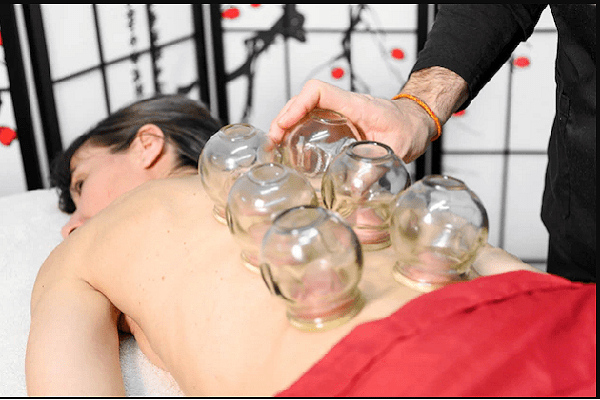
The benefits of cupping are many. On a general, systemic level, cupping improves the circulation of blood and lymph. It also regulates and improves the functioning of the autonomic nervous system. Locally, the most obvious benefit of cupping is the relief of pain and relaxation and increased suppleness of stiff tendons and muscles. Cupping increases the cleansing flow of lymph while removing congested blood from the muscles. If cupping is applied to the joints, the blood flow to the joint is increased and there’s an increased secretion of synovial fluid into the joint cavity. Cupping’s effect on the digestive organs is to increase their digestive secretions and enhance their peristaltic movement. Cupping can awaken the appetite, strengthen the stomach and digestion, improve the bile flow and metabolism, relieve constipation and promote regularity of the bowels. Cupping has a dramatic detoxifying effect on the skin and circulatory system. By increasing the flow of blood and plasma through the veins and arteries, cupping enhances the cleansing and removal of toxins. This detoxification may not be observable after just one treatment, but after about three to five treatments, there will be a noticeable improvement in the color of one’s complexion. Cupping is beneficial and indicated for multiple disorders affecting multiple organ systems: Digestive system: constipation, diarrhea, irritable bowel syndrome (IBS) Vital, Metabolic: low energy, fatigue, anemia, atrophy of the tissues, cellulite, emaciation, weight gain – normalize body weight. Nervous system: headaches, depression, emotional problems – balances the nervous system. Gynecological: menstrual pain, suppressed or irregular menses musculoskeletal: Local application, as appropriate, for back pain, arthritis, traumatic injuries, lumbago, sciatica. Respiratory & Circulatory: asthma, bronchitis, common cold and flu, high blood pressure. Increased blood flow to the skin is therapeutic for many different skin disorders. Mudasser Chaudhry is certified, and registered to perform Hijama he is also registered homeopathy herbalist acupuncturist and Traditional Chinese Medicine in Toronot and Mississauga Call Chaudhry Clinic today at 416-778-1390 or book an appointment online.
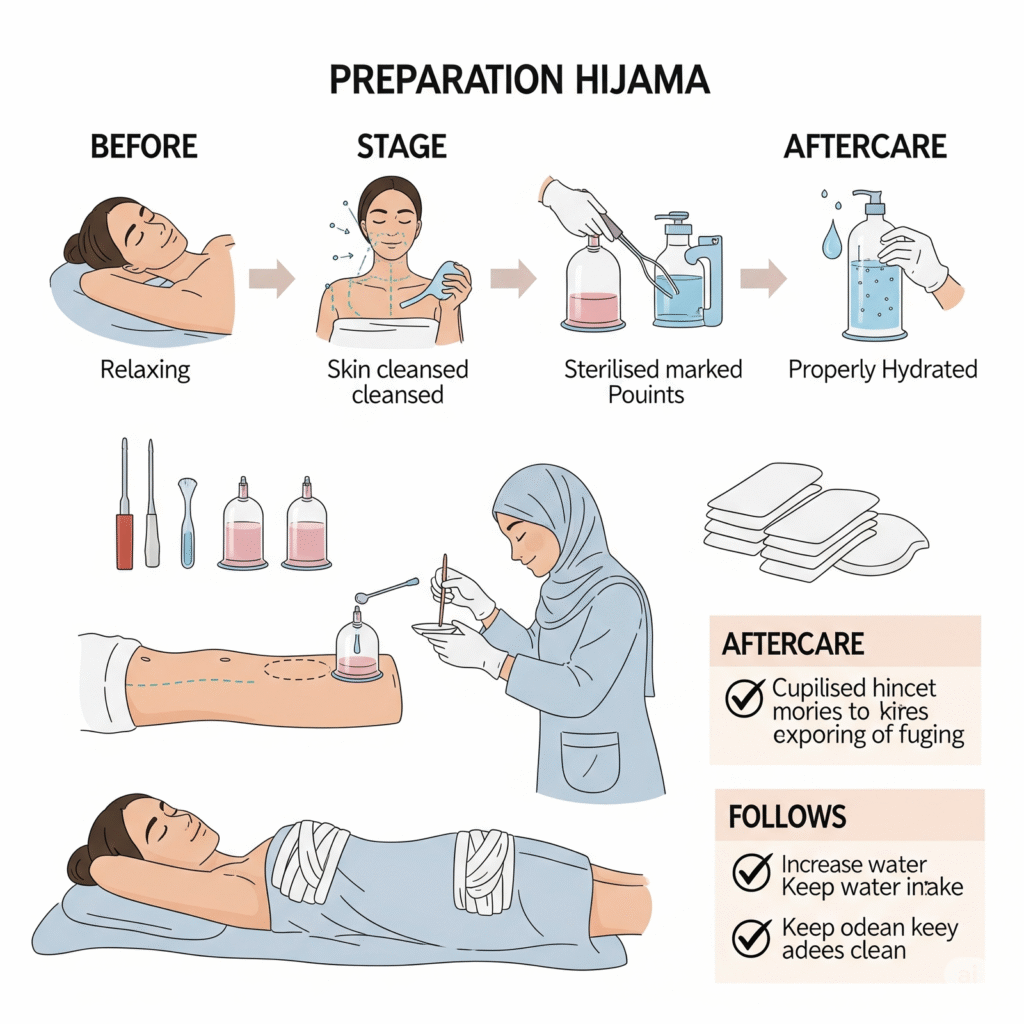
Preparing for Your Hijama Session Before undergoing hijama, it’s crucial to prepare yourself adequately. It is recommended that you fast for at least 2-3 hours prior to the treatment. Cupping on an empty stomach is often considered the best practice. As stated in Sahih Sunan Ibn Maajah, ‘in it is a cure and blessing.’ Performing ghusl, or a ritual bath, before your session is also encouraged. Abdullah bin Az-Zubair reported that Aisha (ra) mentioned that the Prophet (saw) would perform ghusl for several reasons, including before cupping. What to Do Before Cupping Additionally, ensure that you drink plenty of water to stay hydrated and wear comfortable clothing. It’s important to inform your therapist about any medications you are taking. Being well-prepared can significantly enhance the effectiveness of the hijama treatment. Aftercare Following Hijama Treatment Post-treatment, healing marks can take anywhere from 2 days to a week to heal, but sometimes it may take up to 2 weeks. To restore energy levels, consider eating dates or drinking honey mixed with water. Resting for the next 24 hours while avoiding strenuous activities is recommended. It’s also advised to avoid marital relations for this duration. To assist in detoxifying your body, drink plenty of water and avoid meat and dairy for 24 hours. Using olive or black seed oil on the cupped areas can soothe any irritation. After a day, you may take a warm shower, but avoid soaps and shower gels on the cupped areas to aid the healing process. Hijama has many benefits, particularly in maintaining well-being during hot weather, and as reported, it is a recommended practice.
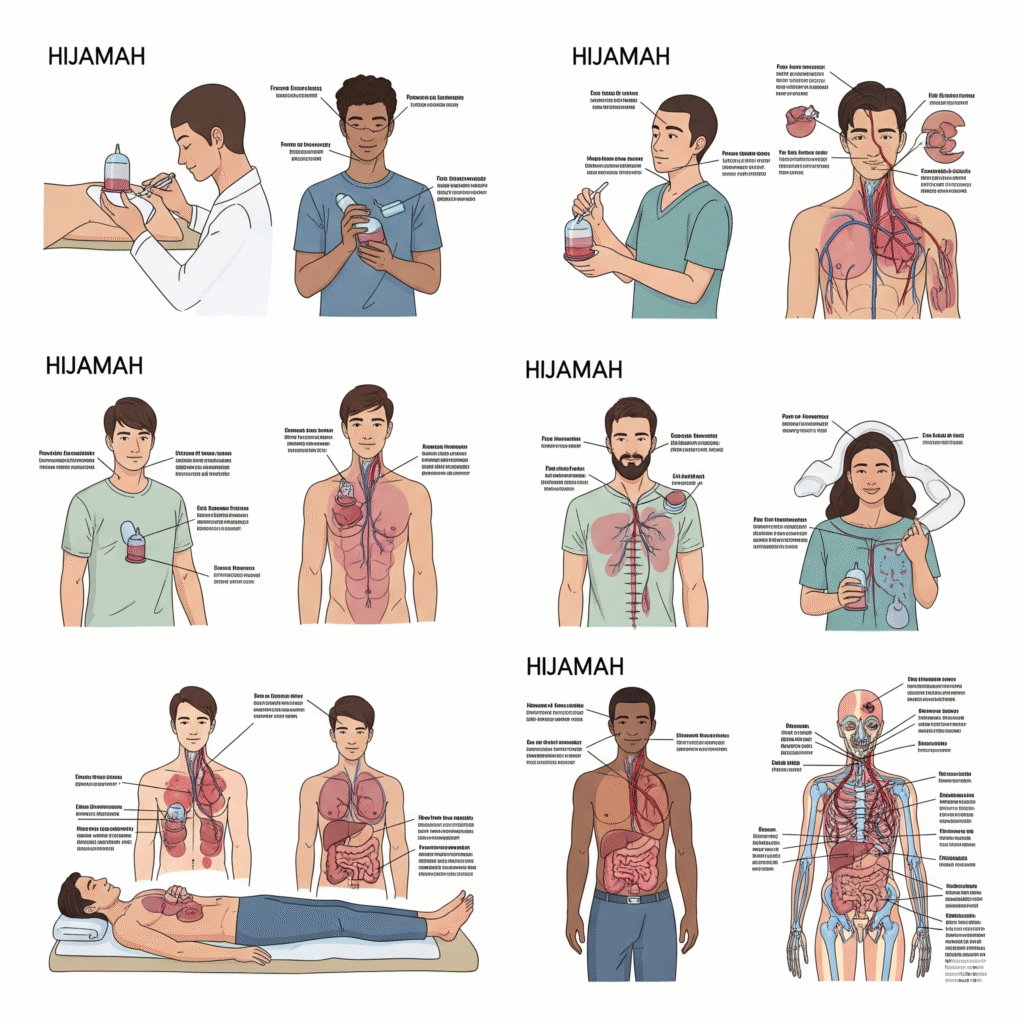
Hijama (Wet Cupping Therapy): A Complete Guide to Benefits & Health Systems Hijama (Wet Cupping Therapy): A Comprehensive Guide to its Health Benefits Hijama (Wet Cupping Therapy) is a powerful practice that supports the healthy functioning of all body systems. This traditional treatment, which has been part of Tibb E Nabwi (Medicine of the Prophet) for centuries, allows for the direct removal of toxins from the body via the blood’s transport system. This article explores how Hijama cleanses the body and positively impacts various health systems. How Hijama Addresses Arterial Congestion Arteries are vital blood vessels that carry oxygenated blood from the heart to the rest of the body. Over time, these walls can become congested with a fatty substance called plaque. When this happens to a severe point, the arteries may begin to harden and blood flow can become compromised, potentially resulting in a heart attack. While mainstream medicine often relies on drugs or surgery, Hijama offers a natural way to help prevent and remove this plaque and other morbid accumulations that build up in the blood vessels. The Five Pillars of Healing in Tibb E Nabwi In the Medicine of the Prophet, there are five pillars of healing that address both the heart (soul) and the body. These principles offer a holistic approach to wellness: Healing by Belief (Yaqeen): Believing that Allah is the ultimate Healer and that any delay in healing is by His wisdom. Healing by Aa’maal-e-Saalehaat: Engaging in good deeds, such as Salaat, Sadaqah, Fasting, and Zikr. Healing by the Foods of Prophet Muhammad ﷺ: Adhering to the dietary recommendations of the Prophet. Healing by the Herbs of Prophet Muhammad ﷺ: Using specific herbs as advised in the Sunnah. Healing by Hijamah: The Prophet Muhammad ﷺ declared Hijama to be one of the best forms of treatment in this world. It is a powerful Sunnah and a cornerstone of this healing system. When all these tools are combined, they create a powerful force that can overcome many sicknesses and ailments. Dietary Recommendations for a Healthy Body Diet plays a crucial role in preventing arterial plaque. It’s just as important to know what to avoid as what to eat. Foods high in saturated fat and cholesterol, such as deep-fried, trans-fat, and highly processed foods, should be limited. Red meat should also be consumed in small portions, and alcohol should be avoided entirely. Conversely, nutrient-dense foods that are high in fiber and low in saturated fat can help reduce arterial plaque. Fiber blocks the absorption of cholesterol and promotes a feeling of fullness, which can lead to reduced calorie intake. Excellent sources of fiber include whole grains, fruits, and vegetables. How Hijama Supports Complete Body Systems Hijama’s ability to remove occlusions and waste products from the body has a direct and positive impact on the following ten systems: 1. Skeletal System The removal of heavy metals such as lead, mercury, and cadmium from the body can induce the production of healthy bones, as many of these toxins inhibit the assimilation of essential minerals like magnesium, potassium, and calcium. Furthermore, Hijama decreases the chances of inflammation around joints, which is beneficial for illnesses like arthritis. This, in turn, increases mobility and range of motion in joints, strengthens connective tissue, and facilitates posture improvement. 2. Muscular System Toxins and lactic acid can accumulate in your muscles and remain for a long time. Hijama effectively removes these toxins and relaxes the muscles. This provides enhanced cellular activity while stimulating the generation of new tissue. The therapy also facilitates mineral retention, improves muscle tone, and decreases the intensity of muscle spasms. 3. Nervous System By removing heavy metals from the body, Hijama aids in better motor neuron health. The brain’s signals are better harnessed both internally and with the external environment. It monitors and regulates voluntary conditions, such as keeping the body in touch with its surroundings through the senses (touch, smell, taste, hearing, and sight) as well as the many functions regulated by the Central Nervous System. 4. Respiratory System The respiratory system delivers oxygen and dispenses carbon dioxide through the body’s blood. The process of inhaling brings oxygen into the body, which then travels through the larynx, trachea, bronchi, and into the lungs. From there, it diffuses through capillaries into the blood supply. This treatment promotes better breathing and increased pulmonary function by stimulating blood flow and lowering the respiratory rate. 5. Cardiovascular System The circulatory system is the body’s transport system. It is made up of a group of organs that transport blood throughout the body, with the heart pumping the blood and the arteries and veins transporting it. This therapy allows for the adequate clearance of many dangers associated with the blood vessels, such as thrombus and emboli. It also inhibits the constant buildup of arterial plaque, which minimizes the chances of strokes and cardiac disease. 6. Lymphatic System The lymphatic system consists of vessels that carry lymph (clear fluid), which absorbs fluid, waste products, dead cells, and bacteria. Lymph nodes, found in the neck, armpits, and groin, filter and remove these damaging agents. The system also absorbs fats and fat-soluble vitamins from the digestive system. Hijama reinforces and invigorates the lymphatic system, encouraging the drainage of fluid and waste in the direction of the lymphatic flow. 7. Endocrine System The endocrine system is comprised of glands that produce and secrete hormones into the bloodstream. This therapy helps to maintain and regulate the body’s growth, metabolism, mood, temperature, and sexuality. It also assists in managing diabetic conditions and thyroid and tissue function. 8. Digestive System The gastrointestinal system is responsible for the ingestion, digestion, absorption, and defecation of food and nutrients. Hijama aids this system by releasing tension in the abdominal and intestinal muscles, relieving constipation, assisting with waste elimination, and stimulating liver and kidney activity. 9. Urinary System The urinary system is responsible for removing urea, a type of waste found in your blood. When protein and some vegetables are broken down, urea is produced
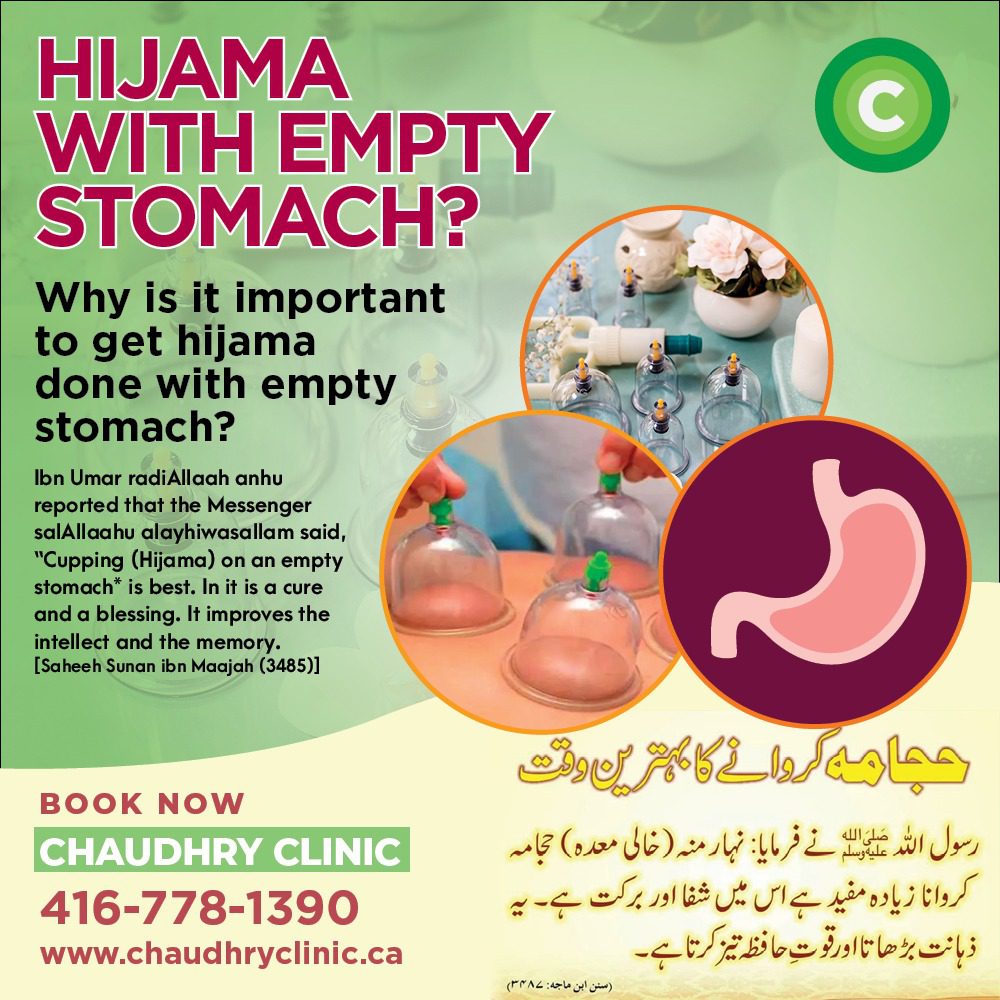
Understanding Hijama Hijama, or cupping therapy, has been practiced for centuries as a holistic healing method. As recommended in a hadith narrated by Abdullah ibn Umar, the Prophet Muhammad (peace and blessings be upon him) emphasized that hijama is most effective when performed on an empty stomach. This guidance encourages the integration of physical and spiritual well-being. Benefits of Hijama on an Empty Stomach Engaging in hijama while fasting enhances its therapeutic effects. The absence of food in the stomach allows for better circulation and toxin removal from the body. This state is believed to amplify the benefits, leading to improved mental clarity, intellect, and memory, as highlighted in the saying that hijama provides cures and blessings. The process facilitates a deeper release of tension and aids the body’s natural detoxification. Conclusion In summary, performing hijama on an empty stomach is more than just a recommendation; it is a practice rooted in tradition and spiritual significance. By adhering to this method, individuals can unlock the full potential of this ancient therapy, nurturing both their body and mind. Therefore, consider scheduling your next hijama session while observing a fast to fully embrace its benefits.

حجامہ: ایک جامع گائیڈ حجامہ: ایک قدیم علاج اور جدید سائنسی نقطہ نظر حجامہ عربی زبان کا لفظ ہے جسے اردو میں “پچھنے لگوانا” اور انگریزی میں “Blood Letting” کہا جاتا ہے۔ یہ طریقہ علاج چین میں صدیوں سے رائج ہے اور فی الحال کوریا اور چین میں اس پر سب سے زیادہ تحقیق ہو رہی ہے۔ حجامہ کی تاریخی اور اسلامی اہمیت عرب کے لوگ قدیم زمانے سے حجامہ کرواتے رہے ہیں، اور اسلام کی آمد کے بعد اس کی اہمیت مزید بڑھ گئی۔ ایک موقع پر جب حضور اکرم صلی اللہ علیہ وسلم کی طبیعت ناساز ہوئی تو آپؐ نے کندھوں کے درمیان حجامہ کروایا اور فرمایا کہ حجامہ کرنے والا اجرت نہیں مانگے گا، البتہ حجامہ کروانے والا اس کی اجرت ضرور ادا کرے گا۔ آپؐ نے خود بھی حجامہ کرنے والے کو رقم ادا کی تھی۔ اس سلسلے میں متعدد احادیث مبارکہ موجود ہیں جن میں حجامہ کے فوائد، اور اسے کروانے کے بہترین دنوں کا ذکر کیا گیا ہے۔ حجامہ کروانے کے لیے بہترین دن قمری مہینے کی 17، 19، اور 21 تاریخیں ہیں، اور جدید تحقیق بھی اس کی تائید کرتی ہے۔ چاند کا انسانی جسم پر اثر چاند کی کشش ثقل کا اثر سمندر کی لہروں پر واضح طور پر دیکھا جا سکتا ہے؛ جیسے جیسے قمری تاریخ بڑھتی ہے، سمندر میں لہروں کا ارتعاش بھی بڑھتا ہے۔ چودھویں کی رات کو سمندر کی لہریں عروج پر ہوتی ہیں اور اپنے اندر کی کثافتیں ساحل پر پھینک دیتی ہیں۔ اسی طرح، چاند انسانی جسم پر بھی اثر انداز ہوتا ہے اور خون میں جوش پیدا ہوتا ہے۔ قمری مہینے کی 14 تاریخ کو جسم کی اندرونی کثافتیں جلد کی سطح پر آجاتی ہیں۔ لہٰذا، 17، 19، اور 21 تاریخ کو حجامہ کروانے سے یہ کثافتیں خون سے نکل جاتی ہیں اور انسان جلد صحت مند ہو جاتا ہے۔ ہمارا جگر خون پیدا کرنے کا ذمہ دار ہے۔ خون کے خلیے (Leukocytes) کی عمر عموماً 45 دن ہوتی ہے اور یہ عمل ہمارے جسم میں مسلسل جاری رہتا ہے۔ شہری اور دیہی ماحول میں چاند کے اثرات اکثر یہ سوال کیا جاتا ہے کہ شہروں میں رہنے والے افراد چاند کے گھٹنے اور بڑھنے کا اثر محسوس کیوں نہیں کرتے؟ اس کی وجہ شہروں میں بجلی کا بے پناہ استعمال ہے۔ گھروں میں ٹی وی، فریج، ایئر کنڈیشنر، کمپیوٹر، مائیکرو ویو، اور لیپ ٹاپ جیسی اشیاء جبکہ گھر کے باہر اسٹریٹ لائٹس اور سب وے کا نظام ہر وقت “الیکٹرو میگنیٹک فیلڈ” پیدا کرتا ہے، جس کے ماحول میں ہم رہتے ہیں، اس لیے ہم پر چاند کی کشش ثقل کا اثر براہ راست محسوس نہیں ہوتا۔ اس کے برعکس، دیہاتوں اور کھلی فضا میں چاند کے اثرات دنوں تک محسوس کیے جا سکتے ہیں۔ وہاں انسان خصوصی طور پر متاثر ہوتا ہے؛ جذبات امڈ امڈ کر آتے ہیں اور جذباتی کیفیت طاری ہو جاتی ہے۔ آپ اپنے اندر ایک بڑی تبدیلی محسوس کرتے ہیں۔ یہی وجہ ہے کہ جب قمری مہینے کی 17، 19، اور 21 تاریخ کو خون جوش میں آتا ہے، تو خون کے مردہ خلیے (Dead Leukocytes) جلد کی طرف آ جاتے ہیں اور ان تاریخوں میں حجامہ کروانے سے مریض جلد صحت مند ہو جاتے ہیں۔ جدید تحقیق کے مطابق، خون کے ہر خلیے (Leukocytes) کی عمر تقریباً 45 دن ہوتی ہے۔ اس کے بعد یہ مردہ ہو جاتا ہے اور اس کی جگہ نیا خون کا خلیہ لے لیتا ہے۔ یہ عمل ہمارے جسم میں ہر وقت جاری رہتا ہے۔ اگر یہ مردہ خلیے پیشاب کے راستے خارج نہ ہوں تو یہ جسم میں جمع ہو کر دوران خون میں رکاوٹ پیدا کر سکتے ہیں، جس سے انسان بیمار ہو جاتا ہے۔ حجامہ کے ذریعے ان مردہ خلیوں کو جسم سے نکال کر انسان تندرست ہو جاتا ہے۔ حجامہ کرنے والے افراد کی اقسام اس وقت دو قسم کے لوگ حجامہ کر رہے ہیں: غیر میڈیکل افراد: یہ وہ لوگ ہیں جو ڈاکٹر نہیں ہیں اور انہیں میڈیکل سائنس کے بارے میں زیادہ علم نہیں ہوتا۔ وہ حجامہ سیکھ کر روایتی طریقے سے کندھوں کے درمیان، گردن کے پچھلے حصے پر، اور ٹخنوں کے اوپر حجامہ کرنا شروع کر دیتے ہیں۔ یہ افراد باقاعدہ تشخیص کے بغیر حجامہ کرتے ہیں اور انہیں بیماریوں کی وجوہات اور نوعیت کا علم نہیں ہوتا۔ وہ صرف اسے سنت سمجھ کر کرتے ہیں، بے شک اس سے فائدہ ہوتا ہے لیکن مکمل طور پر فائدہ نہیں ہوتا۔ باقاعدہ ڈاکٹرز: یہ وہ لوگ ہیں جو ڈاکٹر ہیں اور انسانی جسم کی ایناٹومی، مسلز، اور نروز کو سمجھتے ہیں۔ وہ اس بات کو یقینی بناتے ہیں کہ نروز کو کوئی نقصان نہ پہنچے۔ چائنیز میڈیسن اور ایکوپنکچر کے ڈاکٹر اس وقت سب سے بہترین اور سب سے زیادہ فائدہ مند حجامہ کر رہے ہیں۔ اس کی وجہ یہ ہے کہ یہ ڈاکٹر نبض اور زبان دیکھ کر تشخیص کرتے ہیں کہ مردہ خون کے ذرات (Dead Leukocytes) کس آرگن کے راستے میں رکاوٹ پیدا کر رہے ہیں، اور وہ صرف اسی مقام پر حجامہ کرتے ہیں، جس کے نتائج سب سے بہتر ہوتے ہیں۔ پرانے روایتی طریقے سے حجامہ کرنے والے اور ڈاکٹر سے حجامہ کروانے میں بہت زیادہ فرق ہے۔ روایتی طریقے میں بلیڈ یا نشتر کا استعمال کیا جاتا ہے جس سے جلد کٹ جاتی ہے اور زخم کبھی کبھار گہرا بھی ہو سکتا ہے۔ طب نبویؐ کے مطابق بذریعہ الحجامہ علاج الحجامہ احادیث کی روشنی میں ایک بہترین علاج ہے جس کے متعلق متعدد احادیث آئی ہیں، جن میں سے چند احادیث کا مفہوم درج ذیل ہے: حضرت انس بن مالک رضی اللہ عنہ سے روایت ہے: حضور صلی اللہ علیہ وسلم نے فرمایا کہ “بہترین علاج جسے تم کرتے ہو وہ حجامہ لگانا ہے۔” (بخاری شریف) حضرت ام سلمہ رضی اللہ عنہا سے روایت ہے: جب کوئی سردرد کی شکایت لے کر آپ صلی اللہ علیہ وسلم کے پاس آتا تو آپ صلی اللہ علیہ وسلم اس کو حجامہ کی تلقین کرتے۔ (ابو داؤد) حضرت انس بن مالک رضی اللہ عنہ سے روایت ہے: آپ صلی اللہ علیہ وسلم نے فرمایا “اپنے خون کی گرمی کو حجامہ سے کم

