Days Hours Minutes Hijama Sunnah: A Path to Well-being Embracing Prophetic Medicine for Holistic Health Understanding Hijama Sunnah: A Path to Well-being Hijama, also known as cupping therapy, is a deeply rooted practice in traditional Islamic healing, strongly aligned with the Sunnah (the practices and teachings of the Prophet Muhammad). Engaging in Hijama on specific days of the Islamic lunar month is believed to offer significant benefits for both spiritual well-being and physical health. Importance of Lunar Dates for Hijama The best days for performing Hijama are the 17th, 19th, and 21st of the Islamic lunar month. This guidance is supported by numerous authentic narrations in the Hadith. As Anas ibn Maalik (radiAllaah anhu) reported, the Messenger (SalAllaahualayhiwasallam) said, “Whoever wants to perform cupping (hijama) then let him search for the 17th, 19th and 21st…” [Saheeh Sunan ibn Maajah (3486)]. The moon’s gravitational pull significantly influences all life forms on Earth, including humans. Just as it affects ocean tides, it impacts the fluids within the human body. According to Ibn Sina’s research, during the full moon, the body’s four humors (black & yellow bile, blood, and phlegm) are on the rise and in a state of agitation. As the moon wanes in the third week of the month, these fluids begin to recede, leaving behind residue in the upper parts of the body. Removing this residue through Hijama is believed to cleanse the blood and cardiovascular system. Optimal Timing for Hijama It is also important to consider the time of day. Ibn Umar (radiAllaah anhu) reported that the Messenger (salAllaahu alayhiwasallam) said, “Cupping (hijama) on an empty stomach is best. In it is a cure and a blessing. It improves the intellect and the memory.” [Saheeh Sunan ibn Maajah (3487)]. “On an empty stomach” (‘alaa ar-reeq) means to fast until after the cupping treatment is completed. Hijama is best performed during the daytime, between the adhaan of Fajr (dawn prayer call) and the adhaan of Maghrib (sunset prayer call). Hijama Schedule for Safar 1447 (AUGUST 2025) For those interested in scheduling a Hijama session this Muharram, specific dates have been designated for optimal benefit: For August 2025, these dates align with: 17 Safar 1447 AH → Monday, August 11, 2025 19 Safar 1447 AH → Wednesday, August 13, 2025 21 Safar 1447 AH → Friday, August 15, 2025 Why Choose Chaudhry Clinic for Hijama? At Chaudhry Clinic, we are committed to providing Hijama therapy in a safe, clean, and clinical environment, ensuring the maximum level of patient safety. We strictly follow the Sunnah guidelines for optimal results. Single-use disposable equipment to eliminate infection risks. Qualified, insured, and adequately trained practitioners. Clear explanation of treatment outcomes. Two convenient locations: Toronto and Mississauga. Female Hijama (wet cupping) practitioners available upon request. Mudasser Chaudhry, a registered Acupuncturist, Hijama Practitioner, Homeopath, Herbalist, Tibb a Nabvi, and Traditional Chinese Medicine practitioner, leads the clinic. He provides holistic services for chronic pain, infertility, depression, and other conditions. Book Your Session Today! To secure your spot for a Hijama session, please call us at: (416) 778-1390 You can also learn more about Chaudhry Clinic and our services through our online platforms: Facebook Page Chaudhry Clinic Website Mudasser Chaudhry is certified, and registered to perform Hijama he is also registered homeopathy herbalist acupuncturist and Traditional Chinese Medicine in Toronot and Mississauga Call Chaudhry Clinic today at 416-778-1390 or book an appointment online.
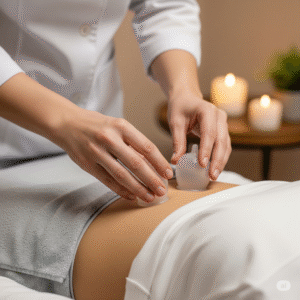
Hijama for Colic: Natural Relief for Digestive Discomfort Hijama for Colic: Natural Relief for Digestive Discomfort If you’re seeking a natural and effective solution for the distressing symptoms of colic, Hijama for colic offers a promising therapeutic approach. This ancient practice, also known as wet cupping, can provide significant relief by targeting the underlying causes of digestive discomfort. By reducing inflammation, improving blood circulation within the digestive system, and promoting the body’s innate healing capabilities, Hijama therapy for colic can help alleviate painful cramps and bloating. A gentle Hijama session can help alleviate colic symptoms. How Hijama Therapy Provides Colic Relief Hijama for colic works through the strategic application of suction cups to the skin. This technique offers several key benefits for individuals experiencing colic: Reduces Digestive Inflammation: Hijama directly addresses and helps diminish the inflammation in the digestive tract that often contributes to the pain and discomfort associated with colic. Promotes Better Digestion: By enhancing blood flow to the abdominal region, Hijama therapy supports and improves overall digestive function, thereby easing common colic symptoms such as bloating and cramps. Research on Cupping and Digestive Health Alleviates Abdominal Pain from Colic: The improved circulation and energy flow resulting from Hijama can significantly reduce the abdominal pain and cramping characteristic of colic. Supports Detoxification for Digestive Health: Wet cupping aids in the removal of toxins and metabolic waste products that can contribute to digestive imbalances and exacerbate colic. Learn more about detox cupping Boosts Immune Function to Aid Digestive Wellness: A robust immune system can help manage inflammatory responses that may worsen colic symptoms, and Hijama has been shown to support overall immune health. Why Choose Hijama as a Natural Colic Treatment? It offers a natural and drug-free approach to colic treatment. Hijama therapy for colic is generally considered safe and non-invasive, with minimal reported side effects. It aims to address the fundamental causes of colic, rather than just treating the superficial symptoms. Hijama for colic can be effectively integrated with other treatments to provide enhanced relief. The Science and Tradition Supporting Hijama for Digestive Health Contemporary research is increasingly validating the therapeutic effects of cupping therapy, including its ability to reduce inflammation and improve circulation. Historically, Hijama boasts a rich heritage, with mentions in ancient medical texts and Islamic prophetic traditions underscoring its benefits for various health issues, including digestive ailments. Islamic Perspectives on Hijama Who Can Experience Relief from Colic with Hijama? Individuals who frequently experience persistent or recurring colic. Those suffering from significant abdominal pain, bloating, and cramping linked to digestive problems. People diagnosed with conditions such as IBS or indigestion who also suffer from colic-like symptoms. Anyone seeking a natural and holistic method to improve their digestive health and find effective relief from colic. Chaudhry Clinic: Your Experienced Practitioners of Hijama Therapy Our clinic is staffed by certified and highly experienced Hijama practitioners. We maintain a rigorously clean and hygienic environment to ensure your comfort and safety during your session. We provide personalized Hijama treatment plans specifically designed to address your individual needs for colic relief. We blend traditional healing techniques with the latest medical understanding to deliver comprehensive and effective care. Find Natural Relief from Colic with Hijama Book Your Hijama Session Today Or call us at 416-778-1390 to schedule your consultation. Disclaimer: Hijama therapy should always be performed by qualified practitioners. Please consult with a healthcare professional for any underlying health concerns.
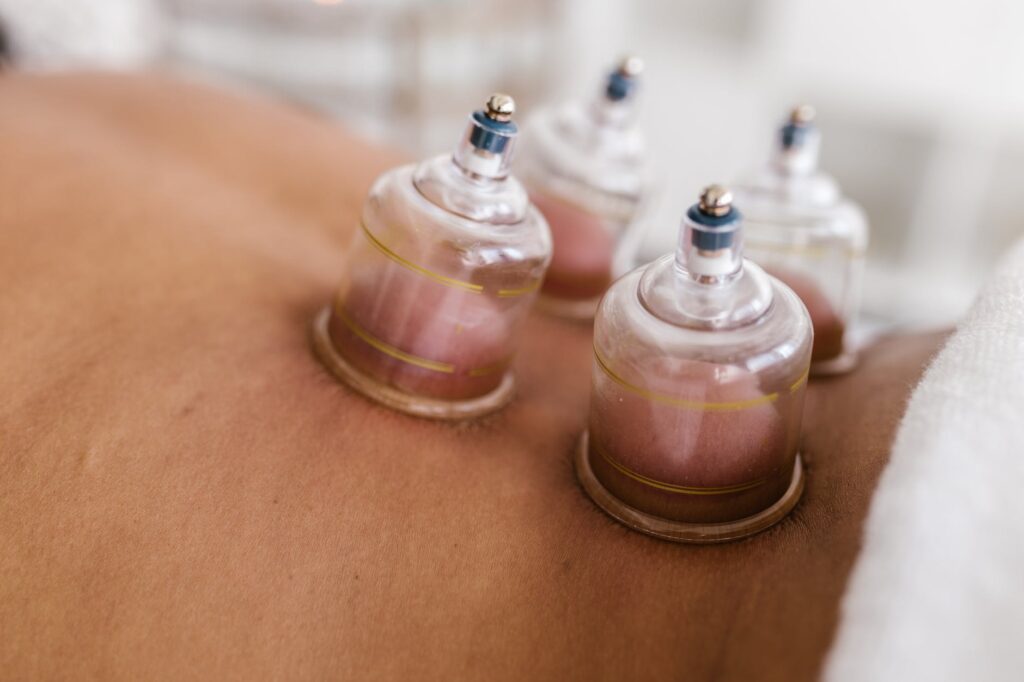
Frequently Asked Question About Hijama (Wet Cupping) Frequently Asked Questions About Hijama (Wet Cupping) Welcome to our page addressing common questions about Hijama, also known as Wet Cupping. Discover the significant benefits of Hijama, its deep-rooted history in Prophetic medicine, a clear explanation of the Hijama procedure, and essential aftercare guidelines. If you’re searching for answers to your questions about Hijama or looking for a practitioner offering Hijama near you, you’ve come to the right place. Various cups used in Hijama (Wet Cupping) therapy. Book Hijama Appointment Understanding Hijama (Wet Cupping) A common question is: What exactly is Hijama, also known as Wet Cupping? It’s an ancient therapeutic method deeply embedded in traditional medicine, notably Islamic (Prophetic) medicine. This practice involves applying localized suction to the skin using specialized cups and then making small, superficial incisions to gently draw out a small quantity of blood. The primary aim of Hijama is to remove toxins, enhance blood circulation, and promote the body’s natural healing processes. Understanding what Hijama is often the first question for those exploring its benefits. Hijama has a long history across diverse cultures, including ancient Egyptian and Chinese civilizations. A practitioner performing the Hijama (Wet Cupping) procedure. The History and Significance of Hijama People often ask about the historical significance of Hijama. Its origins can be traced back thousands of years. Its importance within Islam stems from the Hadiths, the sayings and practices of Prophet Muhammad (peace be upon him), who advocated for Hijama as a beneficial treatment for various ailments. The Prophet (PBUH) himself underwent Wet Cupping. This profound historical and religious context underscores its significance for individuals globally who seek traditional and holistic approaches to well-being. Understanding this history is a key part of understanding the benefits of Hijama. “The best of treatments you use is Hijama.” – Prophet Muhammad (PBUH), Sahih Bukhari Common Questions About Hijama 1. Finding a Qualified Hijama Practitioner A common question is about finding qualified practitioners for Hijama. It’s crucial to seek out well-trained professionals. This may include Registered Acupuncturists, Traditional Chinese Medicine Practitioners, or other licensed healthcare professionals with specific training in Wet Cupping techniques. Ensure they adhere to strict safety and hygiene protocols established by regulatory bodies. Always ask about their credentials and experience before undergoing Hijama. You can verify registration with relevant professional organizations to find registered professionals offering Hijama near you and get answers about practitioner qualifications. 2. Typical Body Locations for Hijama (Wet Cupping) Another frequent query concerns the typical locations for Hijama. While traditional Hijama is often performed on the back, particularly between the shoulder blades following the Sunnah, modern practitioners may apply cups to various areas of the body depending on your specific health condition and the intended benefits of Hijama. A comprehensive assessment by a skilled Hijama practitioner will determine the most effective locations for your Wet Cupping therapy, addressing questions about treatment areas. 3. Pain During the Hijama Procedure: What to Expect People often ask about the pain associated with the Hijama procedure. The sensation experienced during the Hijama procedure varies among individuals. The initial suction from the cups might feel like a firm pulling sensation on the skin. The small incisions made are superficial and are usually described as mild pricks or light scratches, not deeply painful. Most people find the Wet Cupping process quite tolerable. Experienced Hijama practitioners are trained to minimize any potential discomfort. 4. Blood Volume in a Hijama (Wet Cupping) Session A common concern relates to the volume of blood drawn during Hijama. The amount of blood drawn during a Hijama session is typically minimal, often just a few milliliters per cup. The primary goal of Wet Cupping is to remove stagnant or congested blood rather than extracting a large volume. The exact amount will depend on your individual condition and the practitioner’s professional judgment. Reputable Hijama clinics prioritize your safety and will not remove an excessive amount of blood. 5. Potential Health Benefits of Hijama A very common question revolves around the health benefits of Hijama. Many people around the world seek Hijama for its wide range of potential health benefits. These may include relief from various types of pain (such as back pain and headaches), improved blood circulation, detoxification of the body, reduction of inflammation, alleviation of stress and anxiety, and supportive treatment for numerous health conditions. While anecdotal evidence and some studies suggest significant benefits of Wet Cupping, ongoing scientific research continues to explore its efficacy. 6. Side Effects Associated with Hijama Another frequent concern involves the potential side effects of Hijama. The side effects of Hijama are generally mild and temporary. Common occurrences include slight bruising, localized soreness, or temporary skin discoloration in the areas where the cups were applied. Adhering to proper hygiene and the aftercare instructions provided by your Hijama practitioner is essential to minimize any risk of infection. 7. Preparing for Your Hijama Appointment People often ask how to prepare for their Hijama appointment. Your chosen Hijama practitioner will give you specific preparation guidelines. Generally, it’s advisable to ensure you are well-hydrated, avoid heavy meals in the hours leading up to your session, and inform your practitioner about any medications you are currently taking or any underlying health issues you may have. Proper preparation can enhance the benefits of Hijama. 8. Aftercare Following Hijama (Wet Cupping) A common question involves the aftercare following Hijama. Post-Hijama aftercare instructions typically involve keeping the treated areas clean and covered with a sterile dressing for a short period, avoiding strenuous physical activities, maintaining good hydration, and possibly avoiding certain foods or drinks as advised by your practitioner. Following these aftercare guidelines is crucial for promoting healing and preventing any potential complications after your Wet Cupping session. 9. Number of Hijama Sessions Needed People frequently inquire about the number of Hijama sessions needed. This can vary significantly depending on your individual health concerns and how your body responds to the therapy. Some individuals may experience noticeable benefits of Hijama after just one session, while
حجامہ کی تاریخ اور سنت: طب نبوی اور کپنگ تھراپی کے فوائد حجامہ کی تاریخ: طب نبوی میں اس کی اہمیت اور فوائد بلاشبہ، حجامہ ایک قدیم اور مسنون طریقہ علاج ہے جس کی جڑیں طب نبوی میں پیوست ہیں۔ اس کے ذریعے جسم سے فاسد خون نکالنے (خون کے بارے میں مزید جانیں) اور مختلف بیماریوں سے شفا پانے کا یہ ایک مؤثر ذریعہ سمجھا جاتا ہے۔ زیر نظر مضمون میں، ہم حجامہ کی تاریخ، سنت کی روشنی میں اس کی اہمیت، اور اس کے فوائد پر روشنی ڈالیں گے۔ احادیث کی روشنی میں حجامہ کی اہمیت یقیناً، حجامہ آپ کی سنت ہے۔ اس کے علاوہ، اس کے متعلق احادیث آئی ہیں۔ اب چند احادیث کے مفہوم پر غور کرتے ہیں: حضرت انس بن مالک رضی اللہ عنہ سے روایت ہے کہ حضور صلی اللہ علیہ وسلم نے فرمایا: بہترین علاج حجامہ لگانا ہے۔ (بخاری شریف) اسی طرح، حضرت ام سلمہ رضی اللہ عنہا سے روایت ہے کہ جب کوئی سردرد کی شکایت لے کر آپ صلی اللہ علیہ وسلم کے پاس آتا، تو آپ صلی اللہ علیہ وسلم اس کو حجامہ کی تلقین کرتے۔ (ابو داؤد) حضرت انس بن مالک رضی اللہ عنہ سے مروی ہے کہ آپ صلی اللہ علیہ وسلم نے فرمایا: اپنے خون کی گرمی کو حجامہ سے کم کرو۔ مبادا وہ گرمی تمہیں ہلاک نہ کر دے۔ (ابن ماجہ) مزید یہ کہ، حضرت عبد اللہ ابن مسعود رضی اللہ عنہ سے روایت ہے کہ فرشتوں نے فرمایا: اے محمد صلی اللہ علیہ وسلم\! اپنی امت کو حجامہ کا حکم دیں۔ (ترمذی) (حجامہ کے مزید فوائد جانیں) بلڈ پریشر اور دیگر بیماریوں میں حجامہ کا کردار جسم کے اعضا کو تندرست رہنے کے لیے تازگی کی ضرورت ہوتی ہے۔ یہ خون سے ملتی ہے۔ دل رگوں کے ذریعے اس خون کو پمپ کرتا ہے۔ چھوٹی رگوں میں خون پہنچانے کے لیے خون رگوں پر پریشر ڈالتا ہے۔ نتیجتاً، خون سارے جسم میں پھیلتا ہے۔ اس پریشر کو بلڈ پریشر کہتے ہیں۔ بلڈ پریشر کی اہم وجہ خون کی عدم سربراہی اور گاڑھا پن ہے۔ درحقیقت، ہائی بلڈ پریشر کئی بیماریوں کا سبب بنتا ہے۔ مثال کے طور پر، دل کا دورہ، فالج، اور گردوں کا فیل ہو جانا۔ یہ مہلک بیماریاں ہیں۔ حجامہ سے جسم کا دروان خون درست ہوتا ہے۔ اس کے علاوہ، گاڑھا پن دور ہوتا ہے۔ چنانچہ، پریشر نارمل ہوتا ہے۔ پھر خون آسانی سے بہتا ہے۔ (بلڈ پریشر کے بارے میں عالمی ادارہ صحت کی معلومات) تھائی رائیڈ کے علاج میں حجامہ کی افادیت تحقیق کے مطابق، الحجامہ دنیا بھر میں کپنگ تھراپی کے نام سے مشہور ہے۔ اس کے نتائج نے عالمی سطح پر ایک مثال قائم کی ہے۔ لہٰذا، یہ ثابت ہوتا ہے کہ حجامہ تھائیرائیڈ کا علاج کر سکتا ہے۔ یہ ہارمون پورے جسم پر اثر انداز ہوتا ہے۔ دراصل، اس کا عدم توازن بہت سی علامات کا سبب بنتا ہے، جیسے وزن میں تبدیلی، بالوں کا گرنا، جسم میں درد، کمزوری، تھکاوٹ، نیند کے مسائل، سر درد، تھکاوٹ اور ڈپریشن وغیرہ۔ عالمی سطح پر، بہت سے ممالک اس علاج سے فائدہ اٹھا رہے ہیں۔ حجامہ تھائیرائیڈ کو درست کرتا ہے۔ نیز، یہ جسم کی قوت مدافعت کو بھی بڑھاتا ہے۔ (تھائیرائیڈ کے بارے میں امریکی تھائیرائیڈ ایسوسی ایشن) خون کی گرمی کم کرنے میں حجامہ کا مؤثر کردار موسم گرما کی شدت جسم کے خون کو بہت کم کر دیتی ہے۔ اس کے نتیجے میں، یہ ذہنی اور جسمانی بیماریوں کا باعث بنتا ہے۔ خون کی گرمی کو کم کرنے کے لیے، لوگ مشروبات پیتے ہیں۔ اگرچہ اس سے عارضی راحت ملتی ہے، لیکن اس کا اثر جلد ختم ہو جاتا ہے۔ گرمی کی وجہ سے، لوگ سر درد، چڑچڑاپن اور جلد کی بیماریوں میں مبتلا ہو جاتے ہیں۔ ایک حدیث میں آیا ہے: “اپنے خون کی گرمی کو حجامہ سے کم کرو۔ مبادا وہ تمہیں ہلاک کر دے۔” الحجامہ ایک ایسا علاج ہے۔ یہ نہ صرف خون کی گرمی کو دور کرتا ہے، بلکہ یہ دوران خون کو بھی بہتر بناتا ہے۔ مزید برآں، یہ قوت مدافعت کو بڑھاتا ہے۔ آخر کار، یہ جسم کے درد کو کم کرتا ہے۔ بہتر دوران خون کے لیے حجامہ کی اہمیت فی الواقع، خون کی ناقص فراہمی اور رکاوٹ بیماریوں کی جڑ ہیں۔ مثال کے طور پر، دل کے مسائل، بلڈ پریشر، تھائیرائیڈ کے مسائل، جلد کی بیماریاں اور جوڑوں کا درد اس کی وجہ سے ہوتے ہیں۔ مریض خون پتلا کرنے والی دوائیں لیتے ہیں۔ تاہم، وہ ضمنی اثرات کا شکار ہو جاتے ہیں۔ اللہ نے 1400 سال پہلے ایسی بیماریوں کا علاج نازل فرمایا۔ اس نے حجامہ کو سنت قرار دیا۔ بلاشبہ، حجامہ کے ذریعے دوران خون کو بہتر بنایا جا سکتا ہے۔ ……………………
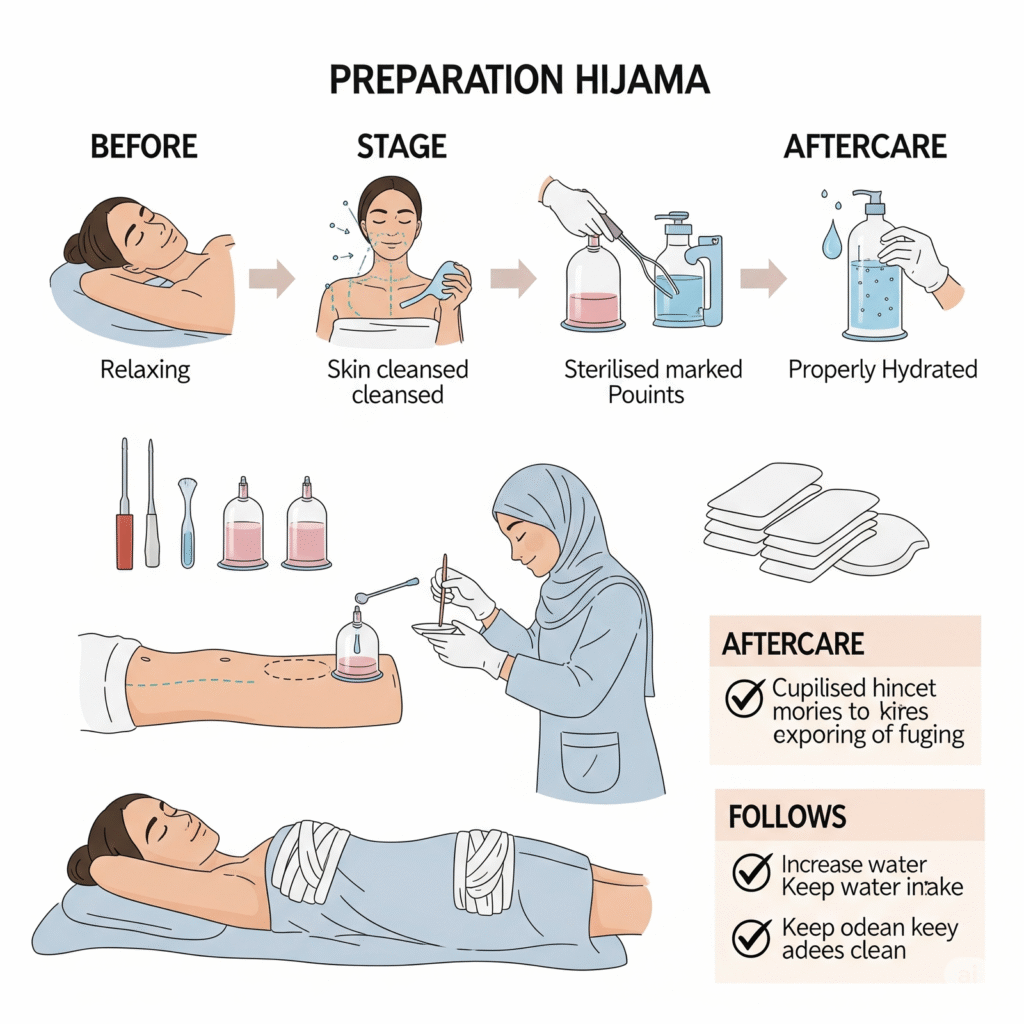
Preparing for Your Hijama Session Before undergoing hijama, it’s crucial to prepare yourself adequately. It is recommended that you fast for at least 2-3 hours prior to the treatment. Cupping on an empty stomach is often considered the best practice. As stated in Sahih Sunan Ibn Maajah, ‘in it is a cure and blessing.’ Performing ghusl, or a ritual bath, before your session is also encouraged. Abdullah bin Az-Zubair reported that Aisha (ra) mentioned that the Prophet (saw) would perform ghusl for several reasons, including before cupping. What to Do Before Cupping Additionally, ensure that you drink plenty of water to stay hydrated and wear comfortable clothing. It’s important to inform your therapist about any medications you are taking. Being well-prepared can significantly enhance the effectiveness of the hijama treatment. Aftercare Following Hijama Treatment Post-treatment, healing marks can take anywhere from 2 days to a week to heal, but sometimes it may take up to 2 weeks. To restore energy levels, consider eating dates or drinking honey mixed with water. Resting for the next 24 hours while avoiding strenuous activities is recommended. It’s also advised to avoid marital relations for this duration. To assist in detoxifying your body, drink plenty of water and avoid meat and dairy for 24 hours. Using olive or black seed oil on the cupped areas can soothe any irritation. After a day, you may take a warm shower, but avoid soaps and shower gels on the cupped areas to aid the healing process. Hijama has many benefits, particularly in maintaining well-being during hot weather, and as reported, it is a recommended practice.

حجامہ: ایک جامع گائیڈ حجامہ: ایک قدیم علاج اور جدید سائنسی نقطہ نظر حجامہ عربی زبان کا لفظ ہے جسے اردو میں “پچھنے لگوانا” اور انگریزی میں “Blood Letting” کہا جاتا ہے۔ یہ طریقہ علاج چین میں صدیوں سے رائج ہے اور فی الحال کوریا اور چین میں اس پر سب سے زیادہ تحقیق ہو رہی ہے۔ حجامہ کی تاریخی اور اسلامی اہمیت عرب کے لوگ قدیم زمانے سے حجامہ کرواتے رہے ہیں، اور اسلام کی آمد کے بعد اس کی اہمیت مزید بڑھ گئی۔ ایک موقع پر جب حضور اکرم صلی اللہ علیہ وسلم کی طبیعت ناساز ہوئی تو آپؐ نے کندھوں کے درمیان حجامہ کروایا اور فرمایا کہ حجامہ کرنے والا اجرت نہیں مانگے گا، البتہ حجامہ کروانے والا اس کی اجرت ضرور ادا کرے گا۔ آپؐ نے خود بھی حجامہ کرنے والے کو رقم ادا کی تھی۔ اس سلسلے میں متعدد احادیث مبارکہ موجود ہیں جن میں حجامہ کے فوائد، اور اسے کروانے کے بہترین دنوں کا ذکر کیا گیا ہے۔ حجامہ کروانے کے لیے بہترین دن قمری مہینے کی 17، 19، اور 21 تاریخیں ہیں، اور جدید تحقیق بھی اس کی تائید کرتی ہے۔ چاند کا انسانی جسم پر اثر چاند کی کشش ثقل کا اثر سمندر کی لہروں پر واضح طور پر دیکھا جا سکتا ہے؛ جیسے جیسے قمری تاریخ بڑھتی ہے، سمندر میں لہروں کا ارتعاش بھی بڑھتا ہے۔ چودھویں کی رات کو سمندر کی لہریں عروج پر ہوتی ہیں اور اپنے اندر کی کثافتیں ساحل پر پھینک دیتی ہیں۔ اسی طرح، چاند انسانی جسم پر بھی اثر انداز ہوتا ہے اور خون میں جوش پیدا ہوتا ہے۔ قمری مہینے کی 14 تاریخ کو جسم کی اندرونی کثافتیں جلد کی سطح پر آجاتی ہیں۔ لہٰذا، 17، 19، اور 21 تاریخ کو حجامہ کروانے سے یہ کثافتیں خون سے نکل جاتی ہیں اور انسان جلد صحت مند ہو جاتا ہے۔ ہمارا جگر خون پیدا کرنے کا ذمہ دار ہے۔ خون کے خلیے (Leukocytes) کی عمر عموماً 45 دن ہوتی ہے اور یہ عمل ہمارے جسم میں مسلسل جاری رہتا ہے۔ شہری اور دیہی ماحول میں چاند کے اثرات اکثر یہ سوال کیا جاتا ہے کہ شہروں میں رہنے والے افراد چاند کے گھٹنے اور بڑھنے کا اثر محسوس کیوں نہیں کرتے؟ اس کی وجہ شہروں میں بجلی کا بے پناہ استعمال ہے۔ گھروں میں ٹی وی، فریج، ایئر کنڈیشنر، کمپیوٹر، مائیکرو ویو، اور لیپ ٹاپ جیسی اشیاء جبکہ گھر کے باہر اسٹریٹ لائٹس اور سب وے کا نظام ہر وقت “الیکٹرو میگنیٹک فیلڈ” پیدا کرتا ہے، جس کے ماحول میں ہم رہتے ہیں، اس لیے ہم پر چاند کی کشش ثقل کا اثر براہ راست محسوس نہیں ہوتا۔ اس کے برعکس، دیہاتوں اور کھلی فضا میں چاند کے اثرات دنوں تک محسوس کیے جا سکتے ہیں۔ وہاں انسان خصوصی طور پر متاثر ہوتا ہے؛ جذبات امڈ امڈ کر آتے ہیں اور جذباتی کیفیت طاری ہو جاتی ہے۔ آپ اپنے اندر ایک بڑی تبدیلی محسوس کرتے ہیں۔ یہی وجہ ہے کہ جب قمری مہینے کی 17، 19، اور 21 تاریخ کو خون جوش میں آتا ہے، تو خون کے مردہ خلیے (Dead Leukocytes) جلد کی طرف آ جاتے ہیں اور ان تاریخوں میں حجامہ کروانے سے مریض جلد صحت مند ہو جاتے ہیں۔ جدید تحقیق کے مطابق، خون کے ہر خلیے (Leukocytes) کی عمر تقریباً 45 دن ہوتی ہے۔ اس کے بعد یہ مردہ ہو جاتا ہے اور اس کی جگہ نیا خون کا خلیہ لے لیتا ہے۔ یہ عمل ہمارے جسم میں ہر وقت جاری رہتا ہے۔ اگر یہ مردہ خلیے پیشاب کے راستے خارج نہ ہوں تو یہ جسم میں جمع ہو کر دوران خون میں رکاوٹ پیدا کر سکتے ہیں، جس سے انسان بیمار ہو جاتا ہے۔ حجامہ کے ذریعے ان مردہ خلیوں کو جسم سے نکال کر انسان تندرست ہو جاتا ہے۔ حجامہ کرنے والے افراد کی اقسام اس وقت دو قسم کے لوگ حجامہ کر رہے ہیں: غیر میڈیکل افراد: یہ وہ لوگ ہیں جو ڈاکٹر نہیں ہیں اور انہیں میڈیکل سائنس کے بارے میں زیادہ علم نہیں ہوتا۔ وہ حجامہ سیکھ کر روایتی طریقے سے کندھوں کے درمیان، گردن کے پچھلے حصے پر، اور ٹخنوں کے اوپر حجامہ کرنا شروع کر دیتے ہیں۔ یہ افراد باقاعدہ تشخیص کے بغیر حجامہ کرتے ہیں اور انہیں بیماریوں کی وجوہات اور نوعیت کا علم نہیں ہوتا۔ وہ صرف اسے سنت سمجھ کر کرتے ہیں، بے شک اس سے فائدہ ہوتا ہے لیکن مکمل طور پر فائدہ نہیں ہوتا۔ باقاعدہ ڈاکٹرز: یہ وہ لوگ ہیں جو ڈاکٹر ہیں اور انسانی جسم کی ایناٹومی، مسلز، اور نروز کو سمجھتے ہیں۔ وہ اس بات کو یقینی بناتے ہیں کہ نروز کو کوئی نقصان نہ پہنچے۔ چائنیز میڈیسن اور ایکوپنکچر کے ڈاکٹر اس وقت سب سے بہترین اور سب سے زیادہ فائدہ مند حجامہ کر رہے ہیں۔ اس کی وجہ یہ ہے کہ یہ ڈاکٹر نبض اور زبان دیکھ کر تشخیص کرتے ہیں کہ مردہ خون کے ذرات (Dead Leukocytes) کس آرگن کے راستے میں رکاوٹ پیدا کر رہے ہیں، اور وہ صرف اسی مقام پر حجامہ کرتے ہیں، جس کے نتائج سب سے بہتر ہوتے ہیں۔ پرانے روایتی طریقے سے حجامہ کرنے والے اور ڈاکٹر سے حجامہ کروانے میں بہت زیادہ فرق ہے۔ روایتی طریقے میں بلیڈ یا نشتر کا استعمال کیا جاتا ہے جس سے جلد کٹ جاتی ہے اور زخم کبھی کبھار گہرا بھی ہو سکتا ہے۔ طب نبویؐ کے مطابق بذریعہ الحجامہ علاج الحجامہ احادیث کی روشنی میں ایک بہترین علاج ہے جس کے متعلق متعدد احادیث آئی ہیں، جن میں سے چند احادیث کا مفہوم درج ذیل ہے: حضرت انس بن مالک رضی اللہ عنہ سے روایت ہے: حضور صلی اللہ علیہ وسلم نے فرمایا کہ “بہترین علاج جسے تم کرتے ہو وہ حجامہ لگانا ہے۔” (بخاری شریف) حضرت ام سلمہ رضی اللہ عنہا سے روایت ہے: جب کوئی سردرد کی شکایت لے کر آپ صلی اللہ علیہ وسلم کے پاس آتا تو آپ صلی اللہ علیہ وسلم اس کو حجامہ کی تلقین کرتے۔ (ابو داؤد) حضرت انس بن مالک رضی اللہ عنہ سے روایت ہے: آپ صلی اللہ علیہ وسلم نے فرمایا “اپنے خون کی گرمی کو حجامہ سے کم

Hijama (Cupping Therapy): A Holistic Approach to Health & Well-being Hijama (Cupping Therapy): A Holistic Approach to Health & Spiritual Well-being Hijama, an ancient therapeutic practice deeply rooted in tradition, offers profound benefits extending beyond physical ailments to encompass spiritual well-being. This time-honored treatment, also known as cupping therapy, holds particular significance for individuals grappling with Sihr (magic) or Jinn possession, providing a complementary path to healing and relief. Historical accounts, notably from Ibn Al-Qayyim (may Allah have mercy on him), highlight the Prophet Muhammad’s (peace be upon him) personal use of cupping on his head to treat a magical affliction. This serves as a powerful testament to Hijama’s efficacy, which Ibn Al-Qayyim underscored as one of the most potent remedies for magic when performed with precision and adherence to established practices (Zaad al Ma’aad). The Essence of Hijama (Cupping Therapy) Hijama is not merely a remedy; it’s a profound therapeutic approach, highly esteemed and frequently practiced by the Messenger of Allah (peace be upon him) himself. Its fundamental principle lies in its ability to draw out stagnant blood and toxins, thereby stimulating circulation and promoting overall vitality. “Indeed the best of remedies you have is Hijama.”[Saheeh al-Bukhaaree (5371)] Targeting the Head: The Vital DU 20 Point in Hijama Among the various points for Hijama, the DU 20 point, located on the crown of the head, holds exceptional importance. Known as Ummu Mughits or ‘Ala Ro’si (the ‘mother of diseases’), this area is considered crucial because many ailments are believed to originate from it. Consequently, performing Hijama on this specific point can offer therapeutic benefits for a diverse array of conditions, including: Chronic Headaches & Migraines Vertigo and Sinusitis Glaucoma and certain skin conditions like Acne Various Mental Disorders, fostering clarity and balance Beyond its physical applications, Hijama at the DU 20 point is also recognized for its potential to enhance memory and cognitive function, contributing to improved intelligence and mental sharpness. This makes it a truly holistic treatment for both physical health and mental acuity. Hijama On The Head الحجامة على الرأس سر میں پچھنا لگوانا درست ہے حَدَّثَنَا إِسْمَاعِيلُ، قَالَ: حَدَّثَنِي سُلَيْمَانُ، عَنْ عَلْقَمَةَ أَنَّهُ سَمِعَ عَبْدَ الرَّحْمَنِ الْأَعْرَجَ، أَنَّهُ سَمِعَ عَبْدَ اللَّهِ ابْنَ بُحَيْنَةَ، يُحَدِّثُ أَنَّ رَسُولَ اللَّهِ صَلَّى اللَّهُ عَلَيْهِ وَسَلَّمَ: احْتَجَمَ بِلَحْيِ جَمَلٍ مِنْ طَرِيقِ مَكَّةَ وَهُوَ مُحْرِمٌ فِي وَسَطِ رَأْسِهِ. ہم سے اسماعیل بن ابی اویس نے بیان کیا، انہوں نے کہا کہ مجھ سے سلیمان بن بلال نے بیان کیا، ان سے علقمہ نے، انہوں نے عبدالرحمٰن اعرج سے سنا، انہوں نے عبداللہ بن بحینہ رضی اللہ عنہ سے سنا وہ بیان کرتے تھے

