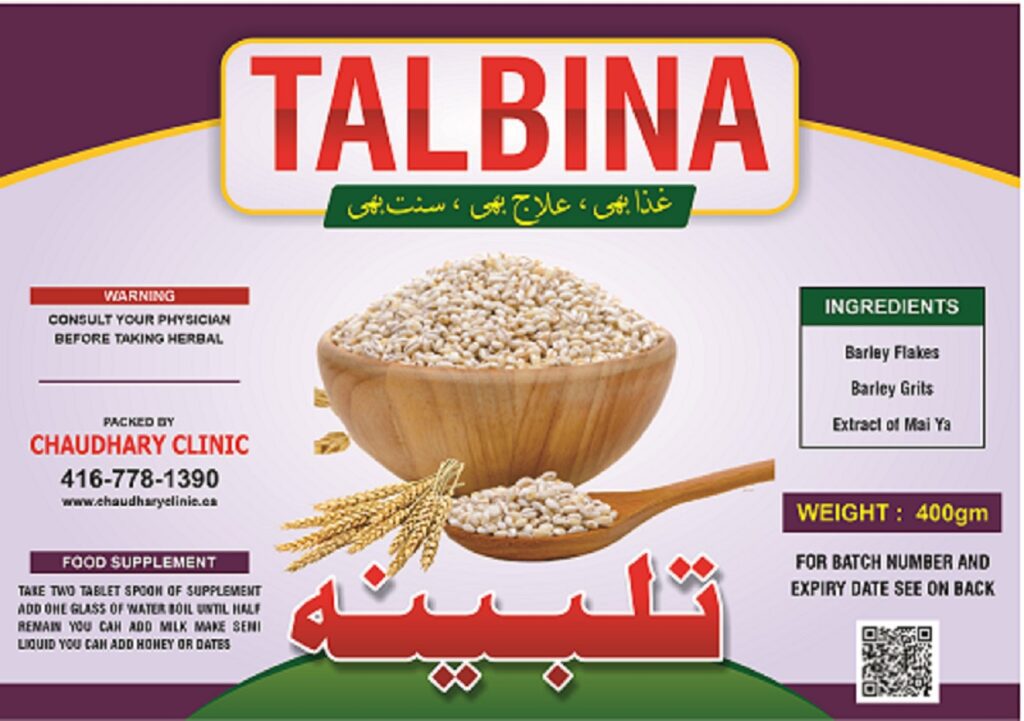
Talbina: The Sunnah Food for Health & Wellness Discover the Amazing Benefits of Talbina for Your Health Uncover the incredible advantages of Talbina, a traditional and simple Arabic dish made with ground barley and water. This Sunnah food, highly recommended by Prophet Muhammad (peace be upon him), offers numerous health advantages. Known to potentially reduce depression, promote relaxation, aid in weight loss, and lower cholesterol, Talbina is a nutritious addition to any diet. It’s also considered beneficial for the skin, supports children’s growth and bone health, and can help with constipation. You can buy Talbina online (Price: $15.00 – $25.00) and experience these advantages firsthand. The core ingredient of Talbina is barley, and it’s often prepared with milk, and optionally with honey, dates, almonds, walnuts, pistachios, and fresh fruits/berries. For more information on the importance of Sunnah foods, consider reading our article on Sunnah Foods and Their Health Benefits. Buy Talbina Now Exploring the Nutritional Advantages of Talbina Talbina is more than just a simple meal; it’s a powerhouse of nutrition with significant advantages. The ground barley used in its preparation is rich in fiber, which significantly aids digestion and promotes a healthy gut. Furthermore, it contains essential vitamins and minerals that contribute to overall well-being. Incorporating Talbina into your diet can be a natural way to support your health. Learn more about the key ingredients of Talbina. You can Purchase Talbina, which is made primarily from barley and can include milk, honey, and fruits for added benefits. Talbina: A Sunnah Food for Holistic Wellness Talbina holds a special place as a Sunnah food, highly recommended by the Prophet Muhammad (peace be upon him) for its therapeutic properties. He described it as a remedy for various ailments and a source of strength for the body. This highlights the historical and spiritual significance of understanding and utilizing Talbina. Then Aisha would say (to the women), “Eat from it, for I heard the Messenger S.A.W saying, ‘The Talbina soothes the heart of the patient and relieves him from some of his sadness.’” Bukhari – 5058 Aisha said, “I heard the Holy Prophet saying, ‘The Talbina gives rest to the heart of the patient and makes it active and relieves some of his sorrow and grief.’” Bukhaaree – 5325. These Hadith emphasize the emotional and physical wellness aspects of Talbina, making it a cherished part of Islamic tradition. You can experience these advantages by making it a regular part of your diet. Order Talbina, typically made with barley and other nutritious ingredients, to enjoy these benefits. Understanding the Key Components of Talbina Making Talbina and unlocking its numerous advantages is quite simple. The primary ingredient, barley, is packed with fiber and essential nutrients. When prepared with milk, it provides calcium and protein. The optional additions like honey and dates offer natural sweetness and antioxidants, while nuts and fruits contribute healthy fats, vitamins, and minerals, further enhancing the nutritional profile of Talbina. For those looking for convenience, you can easily Shop Talbina, pre-made with these beneficial ingredients. You might also be interested in our article on the health benefits of barley, the main ingredient in Talbina. How to Prepare Talbina for Optimal Nutrition Making Talbina and unlocking its numerous advantages is quite simple. All you need is ground barley and water. Here’s a step-by-step guide to prepare this beneficial dish: Take a cup of ground barley and mix it with four cups of water; soak overnight for better consistency and enhanced nutritional value. In the morning, mix the soaked barley and water well and let it sit for a few minutes. Cook the mixture on low heat, stirring occasionally, until it thickens to a creamy consistency. This process helps in making the Talbina easily digestible, maximizing its benefits. Add your favorite sweetener like honey or dates to enhance the taste and further boost the nutritional content. You can also add some nuts or fruits for added flavor and nutrition, complementing the inherent benefits of Talbina. Popular additions include almonds, walnuts, and pistachios. Serve warm and enjoy the comforting goodness and health-promoting qualities of Talbina. You can easily Shop Talbina, pre-made with these beneficial ingredients. Conclusion: Incorporating Talbina for a Healthier Lifestyle In conclusion, Talbina, made with barley and other wholesome ingredients, is not just a tasty dish; it is a Sunnah food with remarkable advantages for both physical and emotional well-being. By incorporating Talbina into your diet, you can enjoy its numerous health advantages and connect with a significant practice in Islamic culture. So why not give this simple and nutritious dish a try and experience the wonderful benefits of Talbina? You can purchase high-quality Talbina here to start enjoying its benefits today. For more information on healthy eating according to Islamic tradition, you might find our article on Islamic Dietary Guidelines insightful. Order Talbina Online

Acupuncture for Fertility Acupuncture for Fertility: A Holistic Approach Acupuncture plays a significant role in enhancing fertility for both men and women. For women, it regulates ovarian function, balances hormones, and supports overall reproductive health. Studies show that acupuncture can help improve sperm quality in men, boost egg health, and increase the chances of conception. If you’re struggling with infertility, this alternative treatment may be the solution you’re looking for. Learn more about acupuncture and its impact on fertility. Regulating Hormones for Female Fertility Hormonal balance is crucial for fertility, especially for regulating essential hormones like Follicle Stimulating Hormone (FSH) and estrogen. When these hormones are in balance, ovarian follicles can mature effectively, increasing the likelihood of conception. Acupuncture works to restore hormonal health, potentially enhancing fertility outcomes, particularly for women undergoing assisted reproductive treatments. Check out our fertility treatments designed for women. Enhancing Blood Flow for Better Egg Quality Improved blood circulation is essential for nourishing the ovaries and ensuring that eggs receive adequate nutrients. Acupuncture enhances this blood flow, supporting healthy egg development and overall reproductive health. Studies show that acupuncture can positively influence egg quality and improve fertility rates, particularly during IVF treatments. Explore this study on acupuncture’s impact on fertility. Improving Male Fertility Through Acupuncture Male infertility is responsible for around 40% of fertility issues. Acupuncture can improve sperm count, motility, and vitality by stimulating healthy sperm production and regulating testosterone levels. These changes can lead to enhanced fertility outcomes for men. Read more about how acupuncture can support male fertility. Supporting Successful Embryo Implantation Acupuncture may increase the chances of embryo implantation by enhancing uterine blood flow and balancing immune function. These factors create a more favorable environment for embryo attachment, which can be especially beneficial for patients who have experienced IVF failure in the past. Learn more about acupuncture’s effects on embryo implantation. Timeline for Acupuncture’s Effects on Fertility The length of acupuncture treatment can vary based on individual needs. Typically, patients undergo weekly sessions for several months, with some noticing improvements in fertility within a few weeks. Others may require more time to see noticeable results. It’s often recommended to combine acupuncture with other fertility treatments for optimal success. Find out more about the expected timeline for acupuncture fertility treatments. Infertility and Acupuncture: A Holistic Treatment Infertility can be caused by various factors such as age, stress, hormonal imbalances, and health conditions like PCOS or endometriosis. For some individuals, the cause of infertility is unknown, but acupuncture has been shown to improve fertility outcomes regardless of the underlying issue. Explore how acupuncture addresses different causes of infertility. Why Choose Acupuncture for Fertility? Acupuncture offers a comprehensive approach to fertility by promoting hormonal balance, improving circulation, reducing stress, and enhancing reproductive health. Whether you’re experiencing issues related to male or female fertility, acupuncture can be a powerful complementary treatment. Learn more about acupuncture’s role in fertility treatments. Book Your Acupuncture Appointment Now

Acupuncture points for Eyes One of the most intricate parts of your body is the eyes, and often one takes them for granted. We strain our eyes on a daily basis by working on our computers; the changing world requires us to do so. However, did you know that with the help of Acupuncture & Acupressure treatments one can help their eyes from feeling strained and start taking care of eyes health and eyesight? According to Traditional Chinese Medicine (TCM), all diseases involving the eye are closely related to the liver. It is also understood that the eye is nourished by all of the internal organs in the body. The lens of the eye and the pupil basically belong to the kidney, the sclera to the lungs, the arteries and veins to the heart, the top eyelid to the spleen, the bottom eyelid to the stomach, and the cornea and iris to the liver. The Spleen and Stomach also control circulation in the eyes. Therefore an imbalance in any of the internal organs may lead to eye disease. MAJOR ACUPCTURE EYE POINTS There are a number of acupuncture points around the eyes (basically around the orbits of the eyes which are the bones that surround the eyeballs). The points shown above are some of the major local eye points. 1. Jingming (UB-1) – Jingming means “bright eyes” and is located in the inner corner of the eye. This point is thought to bring Qi and blood to the eyes and to help eye problems such as cataracts, glaucoma, night blindness, conjunctivitis and blurry vision. 2. Zanzhu (UB-2) – The Zanzhu point is in the crease at the inner end of the eyebrow. This point is the focus when patients complain of a headache, blurred vision, pain, tearing, redness, eye twitching, and glaucoma. 3. Yuyao – Yuyao is in the middle of the eyebrow right above the pupil. This point is used for treating eye strain, eyelid twitching, ptosis (upper eyelid that hangs low), cloudiness of the cornea, redness, and swelling.Sizhukong (SJ 23) – The Sizhukong area is located in the hollow area at the outside part of the eyebrow. It is thought to be a point where acupuncture can be performed to help eye and facial pain including headaches, redness, eye pain, blurred vision, eye toothache and facial paralysis. 4. Sizhukong (SJ 23) – The Sizhukong area is located in the hollow area at the outside part of the eyebrow. It is thought to be a point where acupuncture can be performed to help eye and facial pain including headaches, redness, eye pain, blurred vision, eye toothache and facial paralysis. 5. Tongzilia (GB 1) – The Tongzilia is located on the outside corner of the eye. This point is thought to brighten the eyes. Manipulation of this point also helps treat headache, redness, eye pain, light sensitivity, dry eyes, cataracts, and conjunctivitis 6. SIBAI(ST 2) Stomach 2 is located directly under the pupil when looking straight ahead, right on the lower edge of the eye orbit (or socket). It is located about one finger width below the eyelid. Use your finger to gently find the point, you may feel a small notch there. Apply about 30 seconds of gentle pressure to the points simultaneously a few times in the morning when you get up, and in the evening before bed. 7. JULIAO (ST 3)Stomach 3 is located directly under the pupil when looking straight ahead, directly below each cheek bone and level with the base of the nose. You can apply pressure to both stomach points simultaneously, or, if you are dexterous enough, all three points at the same time. Apply about 30 seconds of gentle pressure to the points simultaneously a few times in the morning when you get up, and in the evening before bed. Acupuncture & Acupressure points for eye can help improving your eyes. When one has illnesses related to the eyes it makes one’s life miserable and with Acupuncture & Acupressure one can remove any form of obstruction that causes eye ailments. Acupuncture & Acupressure treatments not only improve the eyes, but also helps to cure the body of other ailments as well. Mudasser Chaudhry is certified, andregistered to perform Acupuncture in Ontario, Canada.Call Chaudhry Clinic today at 416-778-1390 or book an appointment online. Acupuncture to Improve Eyesight Acupuncture points for eyes

hijama sunnah points on body There are total 9 Sunnah Points of the body where Prophet Muhammad Sallallaho Alaihe Wasallam were performed hijama or cupping therapy. These are the sunnah points of Hijama or Cupping Therapy On Top of the Head The first of hijama sunnah points is located on top of the head. This point, known as Ummu Mughits or ‘Ala Ro’si, is the ‘mother of diseases.’ Many diseases originated from this point. Because of this, hijama done on this point will cure lots of diseases. For instance, headache, vertigo, migraine, sinusitis, glaucoma, acne and mental disorders. Hijama on this point is also known to improve memory and intelligence as well. On Neck The second and third points are on the back of the neck, just below the hairline. This point is known as Al Akhda’in. Hijama in these points will cure stiff neck, stiff jaw, headache, toothache, sore throat and swollen face. On the Shoulder The fourth, fifth and sixth points are located on the shoulder. The fourth point is known as Al Kahil. This point is located at the lowest level of the neck. Hijama on this point will cure a headache, flu, cough, asthma, high blood pressure, and bronchitis. The fifth and sixth points, known as Al Katifain, are located on the right and left the side of the fourth point. Hijama on these points will cure poisoning, stroke, pain on the shoulder as well as improving blood circulation to the head and to the hands. On the Waist The seventh and the eighth points, known as Al Warik, are located on the right and left the side of the waist, on the same line with the navel. Hijama on these two points will cure irregular period, difficulty in urination, digestion issues, kidney issues and improving blood circulation in the lower parts of the body. On the Legs The ninth points, known as Dzohril Qodami, are located on the left and right calves. Hijama on these points will cure urinary tract disease, pain in the legs and improve blood circulation in the legs. Mudasser Chaudhry is certified, and registered to perform Hijama he is also registered homeopathy herbalist acupuncturist and Traditional Chinese Medicine in Toronot and Mississauga Call Chaudhry Clinic today at 416-778-1390 or book an appointment online.

Who can practice Hijama The person who is registered with the College of Traditional Chinese Medicine Practitioners and Acupuncturist of Ontario can perform Hijama (wet cupping) . Under the section 8, paragraph: 11, in health Canada law (rule ), the person who is not registered with health Canada can be fined up to twenty five thousand dollars ($25,000 ). New law enforced in Canada. No one can perform Hijama (wet cupping) without a license. This means one must be registered with a Health Regulatory Association. 1. Medical practitioners: Medical practitioners feel that the only people who should be able to do Hijama (wet cupping) treatment should be medical practitioners or someone who has some kind of medical background. Even though modern medicine is very advance for doing testing, scans and surgeries, it is not equipped to deal with spiritual and metaphysical issues that can cause a patient’s health and life to deteriorate. 2. Imams and sheikhs: Even though imams perform Hijama (wet cupping), with the new law they cannot perform it. Hijama (wet cupping) because they have no medical knowledge. What is the solution? So who should perform Hijama (wet cupping)? We believe that the best person to perform Hijama (wet cupping) is someone: 1) One who has knowledge of physiology and anatomy 2) One who is always conscious of hygiene, for the health and safety of his/her patient and him/herself How long does it take to do Hijama (wet cupping)? It takes up to 30-60 minutes what is Hijama (wet Cupping) in Chinese view of treatment? Hijama (wet Cupping) moves Qi, Blood and opens the pores of the skin, thus precipitating the removal of pathogens through the skin itself. In my opinion, nothing moves Qi and Blood faster than Hijama (wet cupping). From the very start of its application one can observe the blood moving in the direction of the cups. Do we have to pay for Hijama (wet cupping)? Hijama (wet cupping) is the Arabic word for bloodletting. It originated from china and is being practiced since five thousand years. In the Middle East, it is has been practiced for centuries. After Islam spread in the region, it become more popular and spread all over the world. When Prophet Muhammad (peace and blessings be upon him) became sick, Hijama (wet cupping) was performed upon him and he thereafter paid for it. There are many Narration regarding the days, times, benefits, and cures of Hijama (wet cupping). There are several days when performing Hijama (wet cupping) is more beneficial. These days include the seventeenth, nineteenth, and the twentieth of the lunar calendar. In these days, dead leukocytes come close to the dermis, and, according to research, the blood cell life reaches forty five days. After the time period is over and they die, the new blood cells take the place of the old ones. This process continuously goes on in the human body. Ninety five percent of dead cells drain out from the body via kidney through urine. Five percent of the dead cells remain in the body and do not filter from the kidney due to eating food which is preserved with chemicals. These dead cells that remain in the body are likely to cause sicknesses. By performing Hijama (Wet cupping), we can remove these dead cells from the body, thereby making the body healthier. I am a healthy person, why should I undergo cupping therapy? Hijama (wet cupping) gets rid of acidic toxic waste which accumulates in our bodies (blood stasis) as we grow older. Sources of toxic waste include the polluted air we breathe; toxic chemicals found in your food, water, drinks, household chemicals & toiletries; environmental waste in your neighborhood; intoxicating drinks, narcotic drugs, junk food and smoking; waste products of normal body metabolism; products of medicinal drugs metabolism; impact of trauma and accidents on our body; and toxins from mental stress, anger, anxiety and depression. The blood stasis (stagnated or congested blood) slow down or block supply of blood via blood capillaries which deliver much needed oxygen, nutrients, water, mineral electrolyte, vitamins, enzymes, hormones and immune system cells & antibodies to your cells, tissues and organ. Blockage also prevents the removal of carbon dioxide, metabolic waste products and toxic substance which are excreted via our urine, lungs and skin. As a result your cells, tissues, and organs cannot function at its normal healthy level and become progressively weak, inefficient, and easily overcome by germs. This would cause tissue or organ to malfunction and infection to take place. Therefore you will experience symptoms of diseases such as aches and pain, numbness, fever, cough, stomach ache, constipation, diarrhea and headaches. If left untreated further accumulation of toxic waste may lead to serious chronic diseases including hypertension, ulcers, diabetes, arthritis, Alzheimer disease, migraine, heart disease, stroke and cancer hijama practitioner salary,hijama certification online,hijama nation course fee,hijama nation reviews,who can practice hijama (wet cupping)?
Benefits of Hijama (Wet Cupping) Therapy Exploring the Benefits of Hijama (Wet Cupping) Therapy Hijama (wet cupping) therapy, a time-honored therapeutic practice, draws out blood to foster healing and overall wellness. Rooted in Traditional Chinese Medicine (TCM) and also a significant practice in Islamic tradition, understanding the benefits of Hijama can offer insights into this holistic approach to health. Learn more about our Hijama (wet cupping) services. Understanding Hijama (Wet Cupping) Therapy What is the Meaning of Hijama (Wet Cupping)? Hijama, also known as wet cupping therapy, originates from the Arabic term meaning “to suck” or “bloodletting.” This technique focuses on extracting toxic blood from the body, aiming to enhance healing and promote wellness. Furthermore, you can find more information on traditional medicine practices at the World Health Organization website. In Traditional Chinese Medicine (TCM), Hijama therapy falls under traditional therapeutic methods, similar to dry cupping therapy that ancient civilizations observed. Moreover, to learn more about TCM, consider exploring resources from the TCM World Foundation. The Process of Hijama (Wet Cupping) Initial Diagnosis and Preparation The Hijama therapy procedure typically starts with a diagnosis based on Traditional Chinese Medicine (TCM) principles, often involving pulse and tongue analysis. This assessment helps identify internal organs that may not be functioning optimally. For more details on TCM diagnosis, you might find information on specialized TCM websites. Application of Cups and Incisions Following diagnosis, practitioners choose specific points related to the affected organs for Hijama. They then apply disposable cups to these points, utilizing vacuum suction to stimulate local blood flow. After a brief period of 5–10 minutes, practitioners remove the cups, make small, superficial incisions on the skin, and reapply the cups to draw out stagnated or impure blood. Consider experiencing this process at our Hijama clinic. The Importance of a Qualified Hijama Practitioner Understanding Qualifications A qualified Hijama practitioner possesses comprehensive knowledge of human anatomy, internal organ systems, and disease pathology. They undergo thorough training to understand when, where, and how to perform cupping effectively and safely, ensuring the benefits of Hijama are maximized while minimizing risks. At our clinic, our practitioners are fully qualified. Risks of Unqualified Therapists Conversely, a Hijama therapist lacking proper qualifications may not have the necessary medical understanding. This lack of knowledge can lead to potential health risks if someone performs Hijama incorrectly. Therefore, it is crucial to seek out certified professionals for this therapy. You can inquire about our practitioners’ qualifications here. Global Practice and Islamic Significance of Hijama Worldwide Adoption People practice Hijama worldwide, including in countries across Asia like China, Korea, and Japan, as well as throughout the Arab world. Significance in Islam Its popularity is particularly notable among Muslims, as they consider it a Sunnah (practice) of Prophet Muhammad (ﷺ), who himself underwent Hijama and recommended it for maintaining health and facilitating healing. To understand more about Sunnah practices, refer to authentic Islamic texts and scholarly resources. Prophetic Teachings on Hijama Sayings of the Prophet (ﷺ) Islamic tradition strongly recommends Hijama. The Prophet Muhammad (ﷺ) stated: “Indeed, the best of remedies you have is Hijama (wet cupping)…” [Sahih Bukhari 5371] Advice During Israa Furthermore, he (ﷺ) recounted that during the Israa (ascension to the heavens), every angel he encountered advised him to instruct his Ummah (community) to perform Hijama: “O Muhammad, instruct your Ummah to perform Hijama.” [Sunan Tirmidhi 3479] Hijama as a Remedy Beneficial for Many Conditions People regard Hijama as a beneficial remedy for numerous health conditions, especially when a qualified practitioner performs it at the appropriate time. Modern studies, including research from China, have indicated its effectiveness in treating various health issues. Prophet Muhammad (ﷺ) said: “Indeed, with Hijama there is a cure.” Importance of Professional Consultation While considered a powerful tool for wellness, it’s important to consult with healthcare professionals to determine if Hijama is suitable for specific health concerns and to complement conventional medical treatments. You can discuss the potential benefits of Hijama at our clinic. Potential Benefits of Hijama (Wet Cupping) Understanding the Mechanisms While the text provided doesn’t explicitly list all the benefits, the underlying principle of removing “toxic blood” suggests potential advantages such as improved blood circulation, detoxification, pain relief, and support for the body’s natural healing processes. To learn more about the specific benefits of wet cupping we offer, please visit our services page. Scientific Research Furthermore, further research and consultation with qualified practitioners can provide a more comprehensive understanding of the specific benefits of wet cupping. Seeking Treatment If you are interested in experiencing the potential benefits of Hijama, we recommend consulting with a qualified and experienced practitioner in your area, such as those at Chaudhry Clinic. Book your Hijama appointment Here.

Hijama Treatment FAQs | Benefits, Procedure, and Best Time Hijama Treatment: Frequently Asked Questions Hijama, also known as wet cupping therapy, is a traditional treatment method with a long history. It addresses various ailments and promotes overall well-being. Here, we answer some common questions about Hijama. What is Hijama Treatment? Hijama is a therapeutic method where practitioners apply special cups to specific parts of the patient’s body. First, they cleanse the skin to prevent any pain during cup removal. This creates a vacuum, drawing blood to the skin’s surface. After about ten to twenty minutes, a small incision is made, and a vacuum extracts the stagnant, impure blood. Consequently, the body purifies itself, and many ailments may begin to subside. What are the Benefits of Hijama Treatment? Practitioners use Hijama to treat many dangerous diseases and body pains. This method helps collect toxic or diseased blood in the cupped areas, which is then easily removed, cleansing the remaining blood in the body. Furthermore, modern science also acknowledges that Hijama improves blood flow, eliminates toxins, and speeds up a patient’s recovery from illness. Key benefits of Hijama include: Pain relief: It is effective for headaches, back pain, and sciatica. Improved blood circulation: Hijama facilitates healthy blood flow throughout the body. Toxin removal: It helps the body get rid of harmful substances. Reduced inflammation: It can decrease inflammation and promote healing. Relaxation: The process can induce relaxation and balance the body’s energy. Spiritual peace: For many believers, performing this Sunnah (Prophetic tradition) provides a sense of spiritual peace. What is the Best Time for Hijama Treatment? The Prophet Muhammad (ﷺ) said to perform Hijama for sciatica on the odd nights of the Islamic month. Monday, Tuesday, and Thursday are also considered extremely beneficial days for the treatment. Additionally, performing it on the 17th, 19th, and 21st of the lunar month is a Sunnah. Furthermore, it is narrated that the Prophet Muhammad (ﷺ) advised performing Hijama on an empty stomach to improve memory and mental capacity. What is the Hijama Procedure? Hijama is a well-defined therapeutic procedure with several steps: Preparation: The practitioner cleans and may shave the treatment area. Cup Application: Special cups are placed on the skin. Vacuum Creation: A vacuum is created inside the cups using a pump. This lifts the skin and draws blood to the surface. Bleeding: In wet cupping, the practitioner makes small incisions to draw out a small amount of blood. Removal: The practitioner removes the cups, cleans the area, and applies a bandage. This entire process stimulates blood flow, promotes healing, and balances the body’s energies, making it a highly valued traditional therapy.
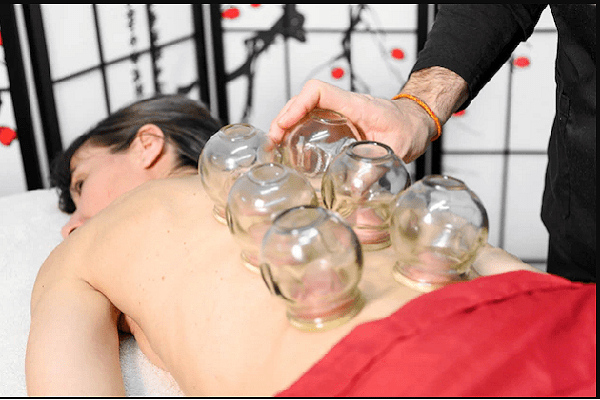
The benefits of cupping are many. On a general, systemic level, cupping improves the circulation of blood and lymph. It also regulates and improves the functioning of the autonomic nervous system. Locally, the most obvious benefit of cupping is the relief of pain and relaxation and increased suppleness of stiff tendons and muscles. Cupping increases the cleansing flow of lymph while removing congested blood from the muscles. If cupping is applied to the joints, the blood flow to the joint is increased and there’s an increased secretion of synovial fluid into the joint cavity. Cupping’s effect on the digestive organs is to increase their digestive secretions and enhance their peristaltic movement. Cupping can awaken the appetite, strengthen the stomach and digestion, improve the bile flow and metabolism, relieve constipation and promote regularity of the bowels. Cupping has a dramatic detoxifying effect on the skin and circulatory system. By increasing the flow of blood and plasma through the veins and arteries, cupping enhances the cleansing and removal of toxins. This detoxification may not be observable after just one treatment, but after about three to five treatments, there will be a noticeable improvement in the color of one’s complexion. Cupping is beneficial and indicated for multiple disorders affecting multiple organ systems: Digestive system: constipation, diarrhea, irritable bowel syndrome (IBS) Vital, Metabolic: low energy, fatigue, anemia, atrophy of the tissues, cellulite, emaciation, weight gain – normalize body weight. Nervous system: headaches, depression, emotional problems – balances the nervous system. Gynecological: menstrual pain, suppressed or irregular menses musculoskeletal: Local application, as appropriate, for back pain, arthritis, traumatic injuries, lumbago, sciatica. Respiratory & Circulatory: asthma, bronchitis, common cold and flu, high blood pressure. Increased blood flow to the skin is therapeutic for many different skin disorders. Mudasser Chaudhry is certified, and registered to perform Hijama he is also registered homeopathy herbalist acupuncturist and Traditional Chinese Medicine in Toronot and Mississauga Call Chaudhry Clinic today at 416-778-1390 or book an appointment online.

How Cupping (Hijama) Works: Unblocking the Body’s Flow How Cupping (Hijama) Works: Unblocking the Body’s Flow Traditional healers have long recognized the link between pain and conditions of congestion, stagnation, and blockage in the body. An old Chinese medical maxim states: Where there’s stagnation, there will be pain. Remove the stagnation, and you remove the pain. This principle applies beyond just pain. Most illnesses and diseases stem from stagnation, congestion, and blockage. This affects the flow of vital energy (Vital Force) and essential bodily fluids (blood, phlegm, or lymph). The Mechanism of Cupping Cupping therapy uses suction. This suction draws out and breaks up congestion, stagnation, or blockage. This action restores a free flow to the body’s vital energies and humors. Pain as a Sign of Imbalance Essentially, pain signals that something isn’t functioning correctly. We feel suffering or disease when the body’s natural flow and function are disrupted or obstructed. Galen described disease as a state contrary to Nature. How Cupping Addresses Imbalance Releasing Stagnation and Congestion Cupping not only disperses stagnation but also breaks it up. This helps the flow of Vital Forces, blood, and other humors. Eliminating Harmful Substances Furthermore, cupping disperses pathogenic heat, toxins, and inflammation. It brings them to the surface for release. Trapped heat and toxins can harm the body. Cupping allows them to escape. Reducing Fever Interestingly, cupping can help reduce fevers during acute crises. It also lessens the putrefaction of blood and other humors, a common cause of fevers. Derivation Therapy: Drawing Away Blockages By drawing congested energy, blood, or other humors to the surface, cupping acts as derivation therapy. Derivation means drawing vital energies or substances away from blockages. This relieves congestion and restores health. Facilitating Peripheralization Toxins and other harmful matter deep within can obstruct vital organs. The body tries to move this matter to the surface as cysts or eruptions. Cupping activates this peripheralization. It relieves internal congestion, preventing more serious disorders. Improving Elimination of Wastes Cupping improves the circulation of blood, lymph, and other fluids. It breaks up blockages of waste and toxins. This enhances the body’s ability to eliminate waste. Proper waste evacuation is crucial for hygiene in Greek Medicine. Retaining what should be expelled (like in constipation or urinary retention) causes disease. Mudasser Chaudhry – Certified Hijama Practitioner Mudasser Chaudhry is certified and registered to perform Hijama. He is also a registered homeopathy herbalist, acupuncturist, and Traditional Chinese Medicine practitioner in Toronto and Mississauga. Call Chaudhry Clinic today at 416-778-1390 or book an appointment online.
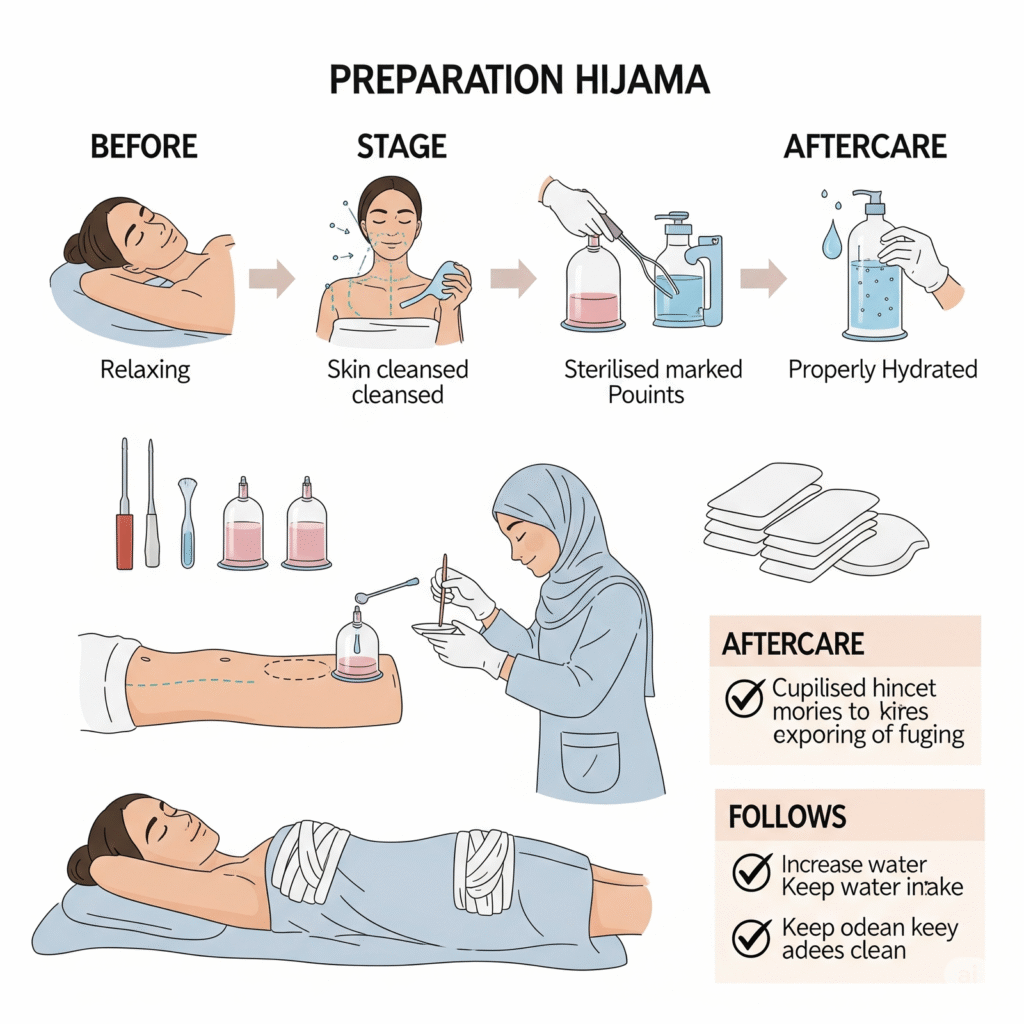
Preparing for Your Hijama Session Before undergoing hijama, it’s crucial to prepare yourself adequately. It is recommended that you fast for at least 2-3 hours prior to the treatment. Cupping on an empty stomach is often considered the best practice. As stated in Sahih Sunan Ibn Maajah, ‘in it is a cure and blessing.’ Performing ghusl, or a ritual bath, before your session is also encouraged. Abdullah bin Az-Zubair reported that Aisha (ra) mentioned that the Prophet (saw) would perform ghusl for several reasons, including before cupping. What to Do Before Cupping Additionally, ensure that you drink plenty of water to stay hydrated and wear comfortable clothing. It’s important to inform your therapist about any medications you are taking. Being well-prepared can significantly enhance the effectiveness of the hijama treatment. Aftercare Following Hijama Treatment Post-treatment, healing marks can take anywhere from 2 days to a week to heal, but sometimes it may take up to 2 weeks. To restore energy levels, consider eating dates or drinking honey mixed with water. Resting for the next 24 hours while avoiding strenuous activities is recommended. It’s also advised to avoid marital relations for this duration. To assist in detoxifying your body, drink plenty of water and avoid meat and dairy for 24 hours. Using olive or black seed oil on the cupped areas can soothe any irritation. After a day, you may take a warm shower, but avoid soaps and shower gels on the cupped areas to aid the healing process. Hijama has many benefits, particularly in maintaining well-being during hot weather, and as reported, it is a recommended practice.

