
Cupping Therapy (Hijama) | Sunnah and Science Combined Cupping Therapy (Hijama) We perform Hijama following the Sunnah and guided by modern research. At our clinic, we use special needle techniques that leave no scars, no bleeding, and require no dressing. All procedures are performed in a sanitized and modern clinical environment using disposable cups, blades, gloves, cotton, and sheets to ensure safety and hygiene. What is Cupping (Hijama)? Cupping (Hijama) is a natural remedy strongly recommended by the Prophet Muhammad (ﷺ). He said, “Indeed the best of remedies you have is cupping (Hijama)…” (Saheeh al-Bukhari 5371). On the night of Israa, every angel told the Prophet (ﷺ), “Oh Muhammad, order your Ummah with cupping.” (Saheeh Sunan Tirmidhi 3479). The word ‘Hijama’ comes from the Arabic root ‘hajm’ meaning ‘sucking’. Cupping involves placing cups on specific points of the body and creating a vacuum to draw impurities and stagnant blood out of the system. History of Cupping Therapy Cupping has been practiced for thousands of years across various civilizations: China: Used in Traditional Chinese Medicine for over 3,000 years to balance Qi and improve blood circulation. Egypt: Mentioned in the Ebers Papyrus (1550 B.C.E.) as a treatment for removing toxins. Greece: Advocated by Hippocrates and Galen as a major therapeutic technique. Islamic World: Adopted and revived as a Sunnah practice of the Prophet Muhammad (ﷺ). Types of Cupping (Hijama) Dry Cupping: Uses vacuum suction on the skin without any incisions. Improves blood flow and reduces pain. Massage Cupping: Similar to dry cupping but with oil (usually olive oil) to allow the cups to glide over the skin. Wet Cupping: Involves light incisions on the skin followed by suction to remove harmful, stagnant blood. This should only be performed by certified professionals. Dry and massage cupping can be done at home using proper equipment. Visit our website bisque-grouse-802153.hostingersite.com/ for instructions. Cupping (Hijama) and Disease Prevention According to Hadith, cupping is a cure for every disease when performed at the right time. The Prophet (ﷺ) said: “Indeed in cupping (Hijama) there is a cure.” (Saheeh Muslim 5706) “Whoever performs cupping (Hijama) on the 17th, 19th, or 21st (of the Islamic month), it is a cure for every disease.” (Abu Dawood 3861) Scientific and Sunnah Benefits Improves blood circulation and detoxification Relieves muscle tension, migraines, and joint pain Boosts immune function and hormonal balance Promotes mental clarity and deep relaxation Prevention of ailments when done on Sunnah-recommended dates The Prophet (ﷺ) stated, “Healing is in three things: in the incision of the cupper, in drinking honey, and in cauterizing with fire, but I forbid my Ummah from cauterization.” (Bukhari 5681) Why Choose Us? At Chaudhry Clinic, we combine traditional Sunnah-based healing with a modern, professional approach. We offer: Certified therapists following Prophetic guidelines Hygienic and advanced clinical setting Safe, scar-free cupping methods Disposable medical supplies for each session Book Your Cupping Therapy Session Today Join the thousands who have experienced the healing and spiritual benefits of Hijama. Contact us or call us now to schedule an appointment with our qualified practitioners. © 2025 Chaudhry Clinic | All Rights Reserved. bisque-grouse-802153.hostingersite.com/

Hijama Hadith in Sunnan ibn Dawood: Prophetic Guidance & Benefits Understanding the Hijama Hadith in Sunnan ibn Dawood: Prophetic Guidance and Its Benefits This article explores the narrations concerning Hijama within the esteemed collection of Sunnan ibn Dawood, highlighting the Prophetic guidance and the potential benefits of this practice. Examining the Hijama Hadith offers valuable insights into Islamic approaches to health. Introduction to Hijama in Islamic Tradition The practice of Hijama, or cupping therapy, holds a significant place in Islamic tradition, with several narrations found in collections like Sunnan ibn Dawood detailing its virtues and applications. These Hadith provide a foundation for understanding the benefits and proper implementation of Hijama. Examining Key Hadith on Hijama in Sunnan ibn Dawood While the specific text of a Hijama Hadith from Sunnan ibn Dawood isn’t provided here, these narrations often discuss various aspects of Hijama. They may cover the recommended times for the procedure, the ailments for which it is beneficial, and the Prophet’s (peace be upon him) own practice or endorsement of Hijama. For a deeper understanding, you can refer to resources like Sunnah.com’s section on Sunnan Abi Dawud. Potential Benefits of Hijama as Indicated in Prophetic Narrations The Hijama Hadith, including those in Sunnan ibn Dawood, suggest several potential benefits, such as: Alleviation of pain, particularly headaches and muscle discomfort. Support for detoxification processes within the body. Improvement in blood circulation. Potential enhancement of the immune system. Addressing specific medical conditions as mentioned in Prophetic teachings. Further research into the Hijama Hadith can provide a more comprehensive understanding of these potential benefits. General Guidance on Practicing Hijama Based on Sunnah While specific details on the practice of Hijama based on Sunnan ibn Dawood require direct reference to the text, general Islamic teachings emphasize the importance of seeking knowledgeable practitioners and adhering to hygienic practices. Exploring reliable resources on Prophetic medicine, such as those found at Muslim Skeptic’s article on Prophetic Medicine, can offer further context. If you are interested in experiencing the benefits of Hijama, you can book a Hijama appointment here. Conclusion: Understanding the Significance of Hijama Hadith The Hijama Hadith found in Sunnan ibn Dawood offer crucial insights into the Prophetic perspective on this therapeutic practice. By studying these narrations, individuals can gain a better understanding of the potential benefits of Hijama and its place within Islamic medical tradition. Further exploration of Hadith collections and scholarly interpretations is encouraged for a comprehensive view. Related Content You might also be interested in learning about the potential benefits of Hijama or reading more about key Hadith on this topic.

Hijama Hadith In Three Languages – Sahih al Bukhari Guide Hijama Hadith In Three Languages – Sahih al Bukhari Learn the authentic teachings of the Prophet Muhammad ﷺ on Hijama (cupping therapy), a form of traditional Islamic medicine. This collection of Sahih al Bukhari Hadith in Arabic, Urdu, and English reveals how Allah has sent down a cure for every disease. Chapter 1: Cure for Every Disease Chapter 3: Healing in Three Things Visit Hadith Library (Internal) Medical Benefits of Cupping (External) Chapter 1: Cure for Every Disease – Hijama Hadith Hadith Number: 5678 Arabic: “مَا أَنْزَلَ اللَّهُ دَاءً إِلاَّ أَنْزَلَ لَهُ شِفَاءً” Urdu: “اللہ نے کوئی بیماری نازل نہیں کی مگر اس کے ساتھ شفا بھی نازل کی ہے” English: “There is no disease that Allah has created, except that He also has created its treatment.” – Narrated by Abu Huraira (Sahih al Bukhari) Chapter 2: Can a Man Treat a Woman in Hijama Therapy? Hadith Number: 5679 Arabic: “كُنَّا نَغْزُو مَعَ رَسُولِ اللَّهِ… وَنَرُدُّ الْقَتْلَى وَالْجَرْحَى” English: “We used to accompany the Prophet ﷺ in battles and treat the wounded.” – Narrated by Rubai bint Mu`adh (Sahih al Bukhari) Chapter 3: Healing in Three Things – Honey, Cupping, and Cauterization Hadith Number: 5680 Arabic: “الشِّفَاءُ فِي ثَلَاثَةٍ: شَرْبَةِ عَسَلٍ، وَشَرْطَةِ مِحْجَمٍ، وَكَيَّةِ نَارٍ” Urdu: “شفا تین چیزوں میں ہے: شہد پینا، پچھنا لگوانا، آگ سے داغ دینا” English: “Healing is in three things: A gulp of honey, cupping (Hijama), and branding with fire (cauterizing). But I forbid my followers to use branding with fire.” – Narrated by Ibn Abbas (Sahih al Bukhari) Chapter 4: Cupping at Night – Hijama Hadith Hadith Number: 5694 English: “Abu Musa had cupping done at night.” – Ibn Abbas (Sahih al Bukhari) Chapter 5: Cupping While in Ihram – Hijama Hadith Hadith Number: 5695 Arabic: “احْتَجَمَ النَّبِيُّ صَلَّى اللَّهُ عَلَيْهِ وَسَلَّمَ وَهُوَ مُحْرِمٌ” English: “The Prophet ﷺ was cupped while in the state of Ihram.” – Narrated by Ibn Abbas For more Hadith on Islamic healing and medicine, visit our Prophetic Medicine Page. Also read about Cupping Therapy on Wikipedia.

Hijama and Infertility: Exploring Cupping Therapy’s Role Couples navigating the often emotional journey of infertility naturally explore various avenues for support. While conventional medical treatments are primary, some individuals are turning to complementary therapies like Hijama and Infertility treatments. Hijama, also known as cupping therapy, is an ancient practice where practitioners apply suction cups to specific points on the body. Could this therapy offer a supportive role in addressing infertility? Let’s delve into the potential benefits and considerations. Understanding Hijama and Its Potential Benefits Hijama, or cupping therapy, is an age-old technique that practitioners believe stimulates blood flow and aids in the removal of toxins. They apply suction cups to the skin, creating a vacuum effect. This process is thought to promote healing and well-being, with some suggesting it may positively influence fertility. You can learn more about the general principles of cupping therapy from reputable sources like the National Center for Complementary and Integrative Health (NCCIH). While direct scientific research specifically examining the effects of Hijama and Infertility is still emerging, anecdotal evidence suggests potential benefits. Enhanced blood circulation and detoxification, key outcomes associated with Hijama, could contribute to a healthier reproductive system. However, it’s vital to approach this with a balanced perspective. The Importance of Integrated Approaches It is crucial to emphasize that Hijama should not be seen as a standalone cure for infertility. Instead, practitioners should consider it a complementary approach to conventional medical treatments, always administered by a qualified and experienced practitioner. If you are also exploring conventional treatments offered at our clinic, you might find our page on PCOS Treatment Options relevant, as PCOS is a significant factor in female infertility. For individuals considering Hijama and Infertility as part of their journey, seeking guidance from a healthcare professional knowledgeable in both conventional and alternative therapies is paramount. They can provide personalized advice on whether Hijama is a suitable addition to your overall fertility plan and recommend appropriate treatment frequency and duration. For more information on infertility, you can visit organizations like RESOLVE: The National Infertility Association. Remember, every fertility journey is unique. What benefits one individual may not benefit another. Approaching alternative therapies like Hijama with an open mind, realistic expectations, and in consultation with healthcare professionals is essential when considering Hijama and Infertility. Infertility, PCOS, and the Potential Role of Hijama We generally define infertility as the inability to achieve pregnancy after one year of regular, unprotected intercourse. This definition also encompasses women who experience recurrent pregnancy loss. Polycystic Ovary Syndrome (PCOS), a hormonal disorder characterized by enlarged ovaries and cysts, is a leading cause of infertility in women. Our clinic offers comprehensive support for conditions like PCOS, which you can learn more about on our PCOS Support Services page. Hijama, or wet cupping therapy, is one treatment modality that some practitioners have explored for managing PCOS-related infertility with reportedly positive outcomes (Alhamdulillah). This therapy aims to address underlying imbalances within the reproductive system that contribute to infertility. How Hijama May Support Fertility Specifically, Hijama therapy may: Induce ovulation in women experiencing anovulatory cycles, a common factor in infertility. Support healthy thyroid gland function, which plays a crucial role in hormonal balance and fertility. Help clear blockages and reduce inflammation within the fallopian tubes, potentially improving the chances of conception. Address luteal phase defects, which can impact the ability to sustain a pregnancy. Offer support in managing endometriosis, a condition that can significantly affect fertility. Alleviate symptoms of hirsutism, often associated with hormonal imbalances contributing to infertility. Promote overall hormonal balance within the body, a key aspect of reproductive health. Aid in regulating menstrual periods and reducing discomfort associated with menstruation, which can be disrupted in cases of infertility. Hijama: A Holistic Approach to Well-being Beyond fertility, practitioners consider this therapy beneficial for a wide array of physical and mental well-being. Hijama cupping therapy is viewed as a holistic approach connecting the body, mind, and soul. Its primary focus often includes bolstering the immune system and reducing inflammation, common ailments, negative energies (in traditional understanding), gas, fatigue, and stress, regardless of the specific health concern. Whether addressing detoxification, gastric issues, infertility, musculoskeletal pain, migraines, depression, or gout, a strong immune system and effective stress management are considered vital for positive results. We offer consultations to discuss how Hijama and Infertility might be relevant to your individual situation; please contact us for more information. Strategies for managing stress, anxiety, and depression exist, with a particularly recommended practice from the Prophet Muhammad (peace be upon him): consuming barley porridge in milk with honey for breakfast, also known as Talbinah. #hijama #sunnah #cupping #wet_cupping #infertility ???? Female Hijama therapist also available. ???? Call for appointment: 416-778-1390 Natural treatment. Practitioners believe that 70% of diseases may be linked to suboptimal blood and oxygen supply to the organs and tissues. We offer natural therapies, including Hijama for infertility, aimed at improving overall well-being.
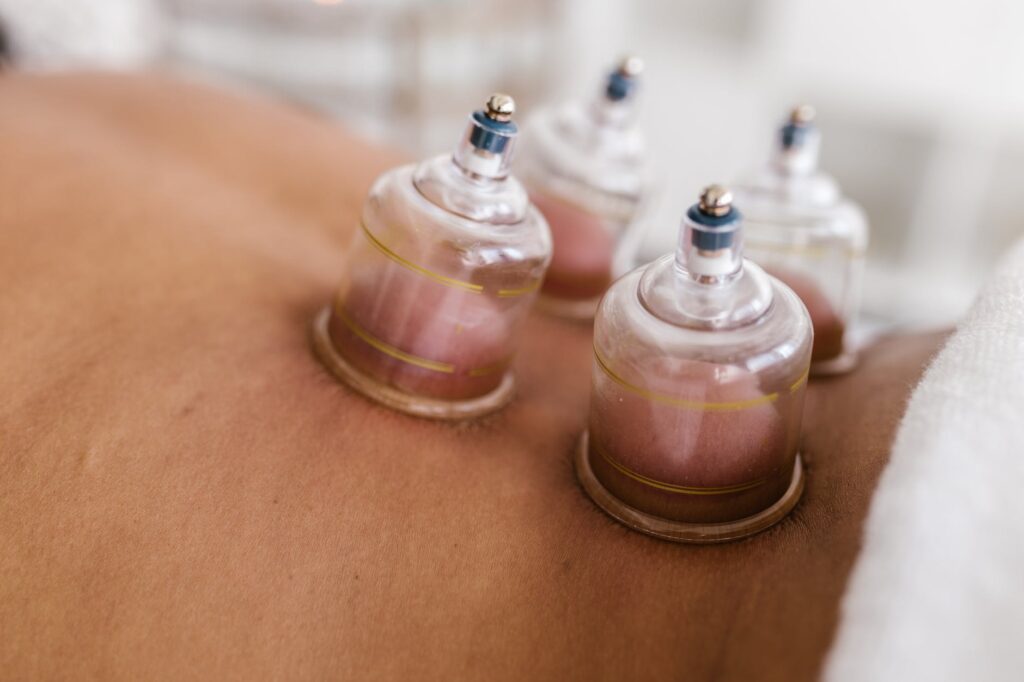
Frequently Asked Question About Hijama (Wet Cupping) Frequently Asked Questions About Hijama (Wet Cupping) Welcome to our page addressing common questions about Hijama, also known as Wet Cupping. Discover the significant benefits of Hijama, its deep-rooted history in Prophetic medicine, a clear explanation of the Hijama procedure, and essential aftercare guidelines. If you’re searching for answers to your questions about Hijama or looking for a practitioner offering Hijama near you, you’ve come to the right place. Various cups used in Hijama (Wet Cupping) therapy. Book Hijama Appointment Understanding Hijama (Wet Cupping) A common question is: What exactly is Hijama, also known as Wet Cupping? It’s an ancient therapeutic method deeply embedded in traditional medicine, notably Islamic (Prophetic) medicine. This practice involves applying localized suction to the skin using specialized cups and then making small, superficial incisions to gently draw out a small quantity of blood. The primary aim of Hijama is to remove toxins, enhance blood circulation, and promote the body’s natural healing processes. Understanding what Hijama is often the first question for those exploring its benefits. Hijama has a long history across diverse cultures, including ancient Egyptian and Chinese civilizations. A practitioner performing the Hijama (Wet Cupping) procedure. The History and Significance of Hijama People often ask about the historical significance of Hijama. Its origins can be traced back thousands of years. Its importance within Islam stems from the Hadiths, the sayings and practices of Prophet Muhammad (peace be upon him), who advocated for Hijama as a beneficial treatment for various ailments. The Prophet (PBUH) himself underwent Wet Cupping. This profound historical and religious context underscores its significance for individuals globally who seek traditional and holistic approaches to well-being. Understanding this history is a key part of understanding the benefits of Hijama. “The best of treatments you use is Hijama.” – Prophet Muhammad (PBUH), Sahih Bukhari Common Questions About Hijama 1. Finding a Qualified Hijama Practitioner A common question is about finding qualified practitioners for Hijama. It’s crucial to seek out well-trained professionals. This may include Registered Acupuncturists, Traditional Chinese Medicine Practitioners, or other licensed healthcare professionals with specific training in Wet Cupping techniques. Ensure they adhere to strict safety and hygiene protocols established by regulatory bodies. Always ask about their credentials and experience before undergoing Hijama. You can verify registration with relevant professional organizations to find registered professionals offering Hijama near you and get answers about practitioner qualifications. 2. Typical Body Locations for Hijama (Wet Cupping) Another frequent query concerns the typical locations for Hijama. While traditional Hijama is often performed on the back, particularly between the shoulder blades following the Sunnah, modern practitioners may apply cups to various areas of the body depending on your specific health condition and the intended benefits of Hijama. A comprehensive assessment by a skilled Hijama practitioner will determine the most effective locations for your Wet Cupping therapy, addressing questions about treatment areas. 3. Pain During the Hijama Procedure: What to Expect People often ask about the pain associated with the Hijama procedure. The sensation experienced during the Hijama procedure varies among individuals. The initial suction from the cups might feel like a firm pulling sensation on the skin. The small incisions made are superficial and are usually described as mild pricks or light scratches, not deeply painful. Most people find the Wet Cupping process quite tolerable. Experienced Hijama practitioners are trained to minimize any potential discomfort. 4. Blood Volume in a Hijama (Wet Cupping) Session A common concern relates to the volume of blood drawn during Hijama. The amount of blood drawn during a Hijama session is typically minimal, often just a few milliliters per cup. The primary goal of Wet Cupping is to remove stagnant or congested blood rather than extracting a large volume. The exact amount will depend on your individual condition and the practitioner’s professional judgment. Reputable Hijama clinics prioritize your safety and will not remove an excessive amount of blood. 5. Potential Health Benefits of Hijama A very common question revolves around the health benefits of Hijama. Many people around the world seek Hijama for its wide range of potential health benefits. These may include relief from various types of pain (such as back pain and headaches), improved blood circulation, detoxification of the body, reduction of inflammation, alleviation of stress and anxiety, and supportive treatment for numerous health conditions. While anecdotal evidence and some studies suggest significant benefits of Wet Cupping, ongoing scientific research continues to explore its efficacy. 6. Side Effects Associated with Hijama Another frequent concern involves the potential side effects of Hijama. The side effects of Hijama are generally mild and temporary. Common occurrences include slight bruising, localized soreness, or temporary skin discoloration in the areas where the cups were applied. Adhering to proper hygiene and the aftercare instructions provided by your Hijama practitioner is essential to minimize any risk of infection. 7. Preparing for Your Hijama Appointment People often ask how to prepare for their Hijama appointment. Your chosen Hijama practitioner will give you specific preparation guidelines. Generally, it’s advisable to ensure you are well-hydrated, avoid heavy meals in the hours leading up to your session, and inform your practitioner about any medications you are currently taking or any underlying health issues you may have. Proper preparation can enhance the benefits of Hijama. 8. Aftercare Following Hijama (Wet Cupping) A common question involves the aftercare following Hijama. Post-Hijama aftercare instructions typically involve keeping the treated areas clean and covered with a sterile dressing for a short period, avoiding strenuous physical activities, maintaining good hydration, and possibly avoiding certain foods or drinks as advised by your practitioner. Following these aftercare guidelines is crucial for promoting healing and preventing any potential complications after your Wet Cupping session. 9. Number of Hijama Sessions Needed People frequently inquire about the number of Hijama sessions needed. This can vary significantly depending on your individual health concerns and how your body responds to the therapy. Some individuals may experience noticeable benefits of Hijama after just one session, while
حجامہ کی تاریخ اور سنت: طب نبوی اور کپنگ تھراپی کے فوائد حجامہ کی تاریخ: طب نبوی میں اس کی اہمیت اور فوائد بلاشبہ، حجامہ ایک قدیم اور مسنون طریقہ علاج ہے جس کی جڑیں طب نبوی میں پیوست ہیں۔ اس کے ذریعے جسم سے فاسد خون نکالنے (خون کے بارے میں مزید جانیں) اور مختلف بیماریوں سے شفا پانے کا یہ ایک مؤثر ذریعہ سمجھا جاتا ہے۔ زیر نظر مضمون میں، ہم حجامہ کی تاریخ، سنت کی روشنی میں اس کی اہمیت، اور اس کے فوائد پر روشنی ڈالیں گے۔ احادیث کی روشنی میں حجامہ کی اہمیت یقیناً، حجامہ آپ کی سنت ہے۔ اس کے علاوہ، اس کے متعلق احادیث آئی ہیں۔ اب چند احادیث کے مفہوم پر غور کرتے ہیں: حضرت انس بن مالک رضی اللہ عنہ سے روایت ہے کہ حضور صلی اللہ علیہ وسلم نے فرمایا: بہترین علاج حجامہ لگانا ہے۔ (بخاری شریف) اسی طرح، حضرت ام سلمہ رضی اللہ عنہا سے روایت ہے کہ جب کوئی سردرد کی شکایت لے کر آپ صلی اللہ علیہ وسلم کے پاس آتا، تو آپ صلی اللہ علیہ وسلم اس کو حجامہ کی تلقین کرتے۔ (ابو داؤد) حضرت انس بن مالک رضی اللہ عنہ سے مروی ہے کہ آپ صلی اللہ علیہ وسلم نے فرمایا: اپنے خون کی گرمی کو حجامہ سے کم کرو۔ مبادا وہ گرمی تمہیں ہلاک نہ کر دے۔ (ابن ماجہ) مزید یہ کہ، حضرت عبد اللہ ابن مسعود رضی اللہ عنہ سے روایت ہے کہ فرشتوں نے فرمایا: اے محمد صلی اللہ علیہ وسلم\! اپنی امت کو حجامہ کا حکم دیں۔ (ترمذی) (حجامہ کے مزید فوائد جانیں) بلڈ پریشر اور دیگر بیماریوں میں حجامہ کا کردار جسم کے اعضا کو تندرست رہنے کے لیے تازگی کی ضرورت ہوتی ہے۔ یہ خون سے ملتی ہے۔ دل رگوں کے ذریعے اس خون کو پمپ کرتا ہے۔ چھوٹی رگوں میں خون پہنچانے کے لیے خون رگوں پر پریشر ڈالتا ہے۔ نتیجتاً، خون سارے جسم میں پھیلتا ہے۔ اس پریشر کو بلڈ پریشر کہتے ہیں۔ بلڈ پریشر کی اہم وجہ خون کی عدم سربراہی اور گاڑھا پن ہے۔ درحقیقت، ہائی بلڈ پریشر کئی بیماریوں کا سبب بنتا ہے۔ مثال کے طور پر، دل کا دورہ، فالج، اور گردوں کا فیل ہو جانا۔ یہ مہلک بیماریاں ہیں۔ حجامہ سے جسم کا دروان خون درست ہوتا ہے۔ اس کے علاوہ، گاڑھا پن دور ہوتا ہے۔ چنانچہ، پریشر نارمل ہوتا ہے۔ پھر خون آسانی سے بہتا ہے۔ (بلڈ پریشر کے بارے میں عالمی ادارہ صحت کی معلومات) تھائی رائیڈ کے علاج میں حجامہ کی افادیت تحقیق کے مطابق، الحجامہ دنیا بھر میں کپنگ تھراپی کے نام سے مشہور ہے۔ اس کے نتائج نے عالمی سطح پر ایک مثال قائم کی ہے۔ لہٰذا، یہ ثابت ہوتا ہے کہ حجامہ تھائیرائیڈ کا علاج کر سکتا ہے۔ یہ ہارمون پورے جسم پر اثر انداز ہوتا ہے۔ دراصل، اس کا عدم توازن بہت سی علامات کا سبب بنتا ہے، جیسے وزن میں تبدیلی، بالوں کا گرنا، جسم میں درد، کمزوری، تھکاوٹ، نیند کے مسائل، سر درد، تھکاوٹ اور ڈپریشن وغیرہ۔ عالمی سطح پر، بہت سے ممالک اس علاج سے فائدہ اٹھا رہے ہیں۔ حجامہ تھائیرائیڈ کو درست کرتا ہے۔ نیز، یہ جسم کی قوت مدافعت کو بھی بڑھاتا ہے۔ (تھائیرائیڈ کے بارے میں امریکی تھائیرائیڈ ایسوسی ایشن) خون کی گرمی کم کرنے میں حجامہ کا مؤثر کردار موسم گرما کی شدت جسم کے خون کو بہت کم کر دیتی ہے۔ اس کے نتیجے میں، یہ ذہنی اور جسمانی بیماریوں کا باعث بنتا ہے۔ خون کی گرمی کو کم کرنے کے لیے، لوگ مشروبات پیتے ہیں۔ اگرچہ اس سے عارضی راحت ملتی ہے، لیکن اس کا اثر جلد ختم ہو جاتا ہے۔ گرمی کی وجہ سے، لوگ سر درد، چڑچڑاپن اور جلد کی بیماریوں میں مبتلا ہو جاتے ہیں۔ ایک حدیث میں آیا ہے: “اپنے خون کی گرمی کو حجامہ سے کم کرو۔ مبادا وہ تمہیں ہلاک کر دے۔” الحجامہ ایک ایسا علاج ہے۔ یہ نہ صرف خون کی گرمی کو دور کرتا ہے، بلکہ یہ دوران خون کو بھی بہتر بناتا ہے۔ مزید برآں، یہ قوت مدافعت کو بڑھاتا ہے۔ آخر کار، یہ جسم کے درد کو کم کرتا ہے۔ بہتر دوران خون کے لیے حجامہ کی اہمیت فی الواقع، خون کی ناقص فراہمی اور رکاوٹ بیماریوں کی جڑ ہیں۔ مثال کے طور پر، دل کے مسائل، بلڈ پریشر، تھائیرائیڈ کے مسائل، جلد کی بیماریاں اور جوڑوں کا درد اس کی وجہ سے ہوتے ہیں۔ مریض خون پتلا کرنے والی دوائیں لیتے ہیں۔ تاہم، وہ ضمنی اثرات کا شکار ہو جاتے ہیں۔ اللہ نے 1400 سال پہلے ایسی بیماریوں کا علاج نازل فرمایا۔ اس نے حجامہ کو سنت قرار دیا۔ بلاشبہ، حجامہ کے ذریعے دوران خون کو بہتر بنایا جا سکتا ہے۔ ……………………

Hijama Urdu حجامہ حجامہ عربی زبان کا لفظ ہے اور اردو میں اس کو پچھنے لگوانا کہا جاتا ہے اور انگریزی میں اس کو Blood Leting کہا جاتا ہے۔ چائنہ میں یہ طریقہ علاج صدیوں سے ہو رہا ہے اور اس وقت حجامہ کے بارے میں سب سے زیادہ ریسرچ کوریا اور چائنہ میں ہو رہی ہے۔ عرب کے لوگ زمانہ قدیم سے ہی حجامہ کرواتے رہے ہیں اور اسلام آنے کے بعد اور زیادہ مشہور ہو گیا ہے ۔ ایک دفعہ جب حضور اکرم صلی اللہ علیہ وسلم کی طبیعت ناساز ہوئی تھی تو آپ نے کندھوں کے درمیان حجامہ کروایا تھا اور ساتھ یہ بھی فرمایا تھا کہ حجامہ کرنے والا اجرت نہیں مانگے گی البتہ حجامہ کروانے والا ان کی اجرت ضرور ادا کرے گا اور آپ محمد صلی اللہ علیہ وسلم نے ان کو رقم ادا کی تھی۔ اس سلسلے میں متعدد احادیث مبارکہ ہیں جن میں حجامہ کے فوائد اور حجامہ کروانے کے دن تک بیان کیے گئے ہیں اور تفصیل سے اس کے فوائد کا بھی ذکر درج ہے۔ حجامہ کروانے کے بہترین دن جن میں ہم حجامہ سے اچھی صحت حاصل کر سکتے ہیں چاند کی 17-19-21 تاریخ ہیں اور یہ ریسرچ اس کی تائید کرتی ہیں۔ چاند کی زمین کے ساتھ کشش ثقل بھی ہے آپ نے غور کیا ہوگا اور ساحل سمندر کے پاس رہنے والے اور اور سمندر میں کام کرنے والے بہت اچھی طرح جانتے ہیں کہ جوں جوں چاند کی تاریخ بڑھتی ہے اسی رفتار سے سمندر میں لہروں کا ارتعاش ہوتا ہے اور بڑھتا رہتا ہے اور چاند کی چودھویں تاریخ کو تو سمندر کی لہریں پورے جوش پر اور بہت اونچی اونچی ہوتی ہیں اور بہت پرجوش ہوتی ہیں اور سمندر اپنے اندر کی ساری کشاتیں ساحل پر پھینک دیتا ہے بالکل اسی طرح انسانی جسم پر بھی چاند اثرانداز ہوتا ہے خون میں جوش پیدا ہوتا ہے اور چاند کی 14 تاریخ یعنی اسلامی کلینڈر کے حساب سے چاند کی 14 تاریخ یعنی اسلامی کلینڈر کے حساب سے چاند کی 14 تاریخ کو جسم اپنے اندر کی ساری کشایتیں اور جلد پر آجاتی ہیں اس لیے چاند کی 17-19-21 تاریخ کو حجامہ کروانے سے ساری کشاتیں خون سے نکل جاتی ہیں اور آدمی جلد صحت مند ہو جاتا ہے ، ہمارا جگر خون پیدا کرنے کا ذمہ دار ہے اور خون کے ذرے عینی Lekocyte کی عمر عموماً 45 دن کی ہوتی ہے۔ یہ سارا عمل ہر وقت ہمارے جسم میں ہر وقت جاری رہتا ہے۔ مجھ سے اکثر یہ سوال کیا جاتا ہے کہ چاند کے گھٹنے اور بڑھنے کا ہمارے اوپر کوئی اثر نہیں ہوتا اور نہ ہی ہم آپ اپنے آپ میں کوئی تبدیلی محسوس نہیں کرتا ہے کیونکہ شہروں میں بجلی کا بہت زیادہ استعمال ہوتا ہے اپنے گھر کی مثال لے لیں کہ ہر گھر میں ٹی وی ہے فریج ہے ائیرکنڈیشن، کمپیوٹر ہے مائیز مائیکروویز ہے لیپ ٹاپ ہے گھر کی ٹیوب کی لائٹ ہے بجلی کے بل ہیں اور گھر کے باہر بجلی کی لائن میں اسٹریٹ تار ہے سب وے یہ سب بجلی ہے چلتی ہیں او رہر وقت Electro Magenatic فلیڈ پیدا ہوتا ہے اور اس ماحول میں ہم رہتے ہیں اس لیے ہم پر چاند کی کشش ثقل کا اثر نہیں ہوتا۔ ذرا باہر دیہات اور کھلی فضا میں جا کر دیکھیں کہ اس کا اثر دنوں تک ہوتا ہے اور انسان کو خصوصی طور پر متاثر ہوتا ہے جذبات امڈ امڈ کر آتے ہیں جذباتی کیفیت طاری ہو جاتی ہے غرض کہ آپ اپنے اندر بڑی تبدیلی محسوس کرتے ہیں اس لیے جب چاند کو 17-19 اور 21 تاریخ کو ہمارا خون جوش میں آنے کے بعد خون کے Dead Lekocytes کو ہماری جلد کی طرف ہو جاتا ہے اور دن تاریخوں میں حجامہ کروانے سے مریض جلد صحت مند ہوجاتے ہیں۔ جدید ریسرچ کے مطابق ہمارے جسم میں خون کے ذریعے یعنی ہر Lekocytes کی عمر قریبا 45دن ہوتی ہے اس کے بعد لیوکومائٹ مردہ ہو جاتا ہے اس کی جگہ نیا خون کا ذرا اس کی جگہ لے لیتا ہے اسی طرح یہ سارا عمل ہمارے جسم میں ہر وقت ہوتا رہتا ہے Dead Lecukocytes ہمارے پیشاب کے راستے خارج نہیں ہوتے ہیںتو ہمارے جسم میں جمع ہو کر دوران خون وہ کام نہیں کر سکتا ہے اس لیے آدمی بیمار ہو جاتا ہے اور اس مردہ سیل کو حجامہ کے ذریعے نکال دیا جائے تو آدمی تندرست ہوجاتا ہے۔ اس وقت دو قسم کے لوگ حجامہ کر رہے ہیں پہلی قسم میں وہ لوگ جو کہ ڈاکٹر نہیں ہیں اور ان کو میڈیکل کے بارے میں علم نہیں وہ حجامہ سیکھ کر حجامہ کرنا شروع کر دیتے ہیں اور وہ روایتی طریقہ سے کندھوں کے درمیان، گدی گردن کے پیچھے حصہ پر اور ٹخنوں کے اوپر حجامہ کرتے ہیں ان قسم کے لوگ باقاعدہ تشخیص کے بغیر حجامہ کرتے ہیں ان لوگوں کو بیماریوں کی وجہ نوعیت کا علم نہیں ہوتا ہے وہ صرف اس کو سنت سمجھ کر کرتے ہیں بے شک اس سے فائدہ ہوتا ہے لیکن مکمل طور پر فائدہ نہیں ہوتا ہے۔ دوسری قسم کے حجامہ کرنے والے وہ لوگ ہیں جو کہ باقاعدہ ڈاکٹر ہیں وہ انسانی جسم کی ؟ ANATOMY سمجھتے ہیں وہ لوگ Muslies اور Nerye کو سمجھتے ہیں اس سست Nerve کو کوئی نقصان نہیں پہنچتا ہے۔ وہ لوگ جو چائنیز میڈیسن اور کوپنکچر کے ڈاکٹر ہیں وہ اس وقت سب سے بہترین اور بہت زیادہ فائدہ حجامہ کر رہے ہیں اس کی وجہ یہ ہے کہ ڈاکٹر نبض اور زبان کو دیکھ کر تشخیص کرتے ہیں کہ مردہ خون کے ذرے Dead Lekocyte کہاں کس Organکے راستے میں رکاوٹ پیدا کر رہے ہیں وہ صرف اس مقام کا حجامہ کرتے ہیں اور اس کے رزلٹ سب سے بہتر ہیں۔ پرانے طریقہ سے حجامہ کرنے والے اور ڈاکٹر سے حجامہ کروانے میں بہت زیادہ فرق ہے۔ پرانے روایتی طریقہ میں حجامہ کرنے والے بلیڈ یا نشتری کا استعمال کرتے ہیں جس سے جلد کٹ جاتی ہے اور زخم کبھی کبھار گہرا بھی ہو سکتا ہے۔

hijama sunnah points on body There are total 9 Sunnah Points of the body where Prophet Muhammad Sallallaho Alaihe Wasallam were performed hijama or cupping therapy. These are the sunnah points of Hijama or Cupping Therapy On Top of the Head The first of hijama sunnah points is located on top of the head. This point, known as Ummu Mughits or ‘Ala Ro’si, is the ‘mother of diseases.’ Many diseases originated from this point. Because of this, hijama done on this point will cure lots of diseases. For instance, headache, vertigo, migraine, sinusitis, glaucoma, acne and mental disorders. Hijama on this point is also known to improve memory and intelligence as well. On Neck The second and third points are on the back of the neck, just below the hairline. This point is known as Al Akhda’in. Hijama in these points will cure stiff neck, stiff jaw, headache, toothache, sore throat and swollen face. On the Shoulder The fourth, fifth and sixth points are located on the shoulder. The fourth point is known as Al Kahil. This point is located at the lowest level of the neck. Hijama on this point will cure a headache, flu, cough, asthma, high blood pressure, and bronchitis. The fifth and sixth points, known as Al Katifain, are located on the right and left the side of the fourth point. Hijama on these points will cure poisoning, stroke, pain on the shoulder as well as improving blood circulation to the head and to the hands. On the Waist The seventh and the eighth points, known as Al Warik, are located on the right and left the side of the waist, on the same line with the navel. Hijama on these two points will cure irregular period, difficulty in urination, digestion issues, kidney issues and improving blood circulation in the lower parts of the body. On the Legs The ninth points, known as Dzohril Qodami, are located on the left and right calves. Hijama on these points will cure urinary tract disease, pain in the legs and improve blood circulation in the legs. Mudasser Chaudhry is certified, and registered to perform Hijama he is also registered homeopathy herbalist acupuncturist and Traditional Chinese Medicine in Toronot and Mississauga Call Chaudhry Clinic today at 416-778-1390 or book an appointment online.

Who can practice Hijama The person who is registered with the College of Traditional Chinese Medicine Practitioners and Acupuncturist of Ontario can perform Hijama (wet cupping) . Under the section 8, paragraph: 11, in health Canada law (rule ), the person who is not registered with health Canada can be fined up to twenty five thousand dollars ($25,000 ). New law enforced in Canada. No one can perform Hijama (wet cupping) without a license. This means one must be registered with a Health Regulatory Association. 1. Medical practitioners: Medical practitioners feel that the only people who should be able to do Hijama (wet cupping) treatment should be medical practitioners or someone who has some kind of medical background. Even though modern medicine is very advance for doing testing, scans and surgeries, it is not equipped to deal with spiritual and metaphysical issues that can cause a patient’s health and life to deteriorate. 2. Imams and sheikhs: Even though imams perform Hijama (wet cupping), with the new law they cannot perform it. Hijama (wet cupping) because they have no medical knowledge. What is the solution? So who should perform Hijama (wet cupping)? We believe that the best person to perform Hijama (wet cupping) is someone: 1) One who has knowledge of physiology and anatomy 2) One who is always conscious of hygiene, for the health and safety of his/her patient and him/herself How long does it take to do Hijama (wet cupping)? It takes up to 30-60 minutes what is Hijama (wet Cupping) in Chinese view of treatment? Hijama (wet Cupping) moves Qi, Blood and opens the pores of the skin, thus precipitating the removal of pathogens through the skin itself. In my opinion, nothing moves Qi and Blood faster than Hijama (wet cupping). From the very start of its application one can observe the blood moving in the direction of the cups. Do we have to pay for Hijama (wet cupping)? Hijama (wet cupping) is the Arabic word for bloodletting. It originated from china and is being practiced since five thousand years. In the Middle East, it is has been practiced for centuries. After Islam spread in the region, it become more popular and spread all over the world. When Prophet Muhammad (peace and blessings be upon him) became sick, Hijama (wet cupping) was performed upon him and he thereafter paid for it. There are many Narration regarding the days, times, benefits, and cures of Hijama (wet cupping). There are several days when performing Hijama (wet cupping) is more beneficial. These days include the seventeenth, nineteenth, and the twentieth of the lunar calendar. In these days, dead leukocytes come close to the dermis, and, according to research, the blood cell life reaches forty five days. After the time period is over and they die, the new blood cells take the place of the old ones. This process continuously goes on in the human body. Ninety five percent of dead cells drain out from the body via kidney through urine. Five percent of the dead cells remain in the body and do not filter from the kidney due to eating food which is preserved with chemicals. These dead cells that remain in the body are likely to cause sicknesses. By performing Hijama (Wet cupping), we can remove these dead cells from the body, thereby making the body healthier. I am a healthy person, why should I undergo cupping therapy? Hijama (wet cupping) gets rid of acidic toxic waste which accumulates in our bodies (blood stasis) as we grow older. Sources of toxic waste include the polluted air we breathe; toxic chemicals found in your food, water, drinks, household chemicals & toiletries; environmental waste in your neighborhood; intoxicating drinks, narcotic drugs, junk food and smoking; waste products of normal body metabolism; products of medicinal drugs metabolism; impact of trauma and accidents on our body; and toxins from mental stress, anger, anxiety and depression. The blood stasis (stagnated or congested blood) slow down or block supply of blood via blood capillaries which deliver much needed oxygen, nutrients, water, mineral electrolyte, vitamins, enzymes, hormones and immune system cells & antibodies to your cells, tissues and organ. Blockage also prevents the removal of carbon dioxide, metabolic waste products and toxic substance which are excreted via our urine, lungs and skin. As a result your cells, tissues, and organs cannot function at its normal healthy level and become progressively weak, inefficient, and easily overcome by germs. This would cause tissue or organ to malfunction and infection to take place. Therefore you will experience symptoms of diseases such as aches and pain, numbness, fever, cough, stomach ache, constipation, diarrhea and headaches. If left untreated further accumulation of toxic waste may lead to serious chronic diseases including hypertension, ulcers, diabetes, arthritis, Alzheimer disease, migraine, heart disease, stroke and cancer hijama practitioner salary,hijama certification online,hijama nation course fee,hijama nation reviews,who can practice hijama (wet cupping)?
Benefits of Hijama (Wet Cupping) Therapy Exploring the Benefits of Hijama (Wet Cupping) Therapy Hijama (wet cupping) therapy, a time-honored therapeutic practice, draws out blood to foster healing and overall wellness. Rooted in Traditional Chinese Medicine (TCM) and also a significant practice in Islamic tradition, understanding the benefits of Hijama can offer insights into this holistic approach to health. Learn more about our Hijama (wet cupping) services. Understanding Hijama (Wet Cupping) Therapy What is the Meaning of Hijama (Wet Cupping)? Hijama, also known as wet cupping therapy, originates from the Arabic term meaning “to suck” or “bloodletting.” This technique focuses on extracting toxic blood from the body, aiming to enhance healing and promote wellness. Furthermore, you can find more information on traditional medicine practices at the World Health Organization website. In Traditional Chinese Medicine (TCM), Hijama therapy falls under traditional therapeutic methods, similar to dry cupping therapy that ancient civilizations observed. Moreover, to learn more about TCM, consider exploring resources from the TCM World Foundation. The Process of Hijama (Wet Cupping) Initial Diagnosis and Preparation The Hijama therapy procedure typically starts with a diagnosis based on Traditional Chinese Medicine (TCM) principles, often involving pulse and tongue analysis. This assessment helps identify internal organs that may not be functioning optimally. For more details on TCM diagnosis, you might find information on specialized TCM websites. Application of Cups and Incisions Following diagnosis, practitioners choose specific points related to the affected organs for Hijama. They then apply disposable cups to these points, utilizing vacuum suction to stimulate local blood flow. After a brief period of 5–10 minutes, practitioners remove the cups, make small, superficial incisions on the skin, and reapply the cups to draw out stagnated or impure blood. Consider experiencing this process at our Hijama clinic. The Importance of a Qualified Hijama Practitioner Understanding Qualifications A qualified Hijama practitioner possesses comprehensive knowledge of human anatomy, internal organ systems, and disease pathology. They undergo thorough training to understand when, where, and how to perform cupping effectively and safely, ensuring the benefits of Hijama are maximized while minimizing risks. At our clinic, our practitioners are fully qualified. Risks of Unqualified Therapists Conversely, a Hijama therapist lacking proper qualifications may not have the necessary medical understanding. This lack of knowledge can lead to potential health risks if someone performs Hijama incorrectly. Therefore, it is crucial to seek out certified professionals for this therapy. You can inquire about our practitioners’ qualifications here. Global Practice and Islamic Significance of Hijama Worldwide Adoption People practice Hijama worldwide, including in countries across Asia like China, Korea, and Japan, as well as throughout the Arab world. Significance in Islam Its popularity is particularly notable among Muslims, as they consider it a Sunnah (practice) of Prophet Muhammad (ﷺ), who himself underwent Hijama and recommended it for maintaining health and facilitating healing. To understand more about Sunnah practices, refer to authentic Islamic texts and scholarly resources. Prophetic Teachings on Hijama Sayings of the Prophet (ﷺ) Islamic tradition strongly recommends Hijama. The Prophet Muhammad (ﷺ) stated: “Indeed, the best of remedies you have is Hijama (wet cupping)…” [Sahih Bukhari 5371] Advice During Israa Furthermore, he (ﷺ) recounted that during the Israa (ascension to the heavens), every angel he encountered advised him to instruct his Ummah (community) to perform Hijama: “O Muhammad, instruct your Ummah to perform Hijama.” [Sunan Tirmidhi 3479] Hijama as a Remedy Beneficial for Many Conditions People regard Hijama as a beneficial remedy for numerous health conditions, especially when a qualified practitioner performs it at the appropriate time. Modern studies, including research from China, have indicated its effectiveness in treating various health issues. Prophet Muhammad (ﷺ) said: “Indeed, with Hijama there is a cure.” Importance of Professional Consultation While considered a powerful tool for wellness, it’s important to consult with healthcare professionals to determine if Hijama is suitable for specific health concerns and to complement conventional medical treatments. You can discuss the potential benefits of Hijama at our clinic. Potential Benefits of Hijama (Wet Cupping) Understanding the Mechanisms While the text provided doesn’t explicitly list all the benefits, the underlying principle of removing “toxic blood” suggests potential advantages such as improved blood circulation, detoxification, pain relief, and support for the body’s natural healing processes. To learn more about the specific benefits of wet cupping we offer, please visit our services page. Scientific Research Furthermore, further research and consultation with qualified practitioners can provide a more comprehensive understanding of the specific benefits of wet cupping. Seeking Treatment If you are interested in experiencing the potential benefits of Hijama, we recommend consulting with a qualified and experienced practitioner in your area, such as those at Chaudhry Clinic. Book your Hijama appointment Here.

