Homeopathy A complete and holistic system of healing, homeopathy was developed in Germany in the 1700s and has been holding its own as a healing modality in Europe, Asia, and around the world for over 200 years. Homeopathy is only now experiencing resurgence in popularity as people search for a safe, green, and holistic alternative to the more toxic drugs offered by popular medicine. Homeopathy means “treating like with like” so it looks at the state the person is in and tries to match it with a remedy in order to stimulate the body’s own healing mechanism. The homeopath spends a long time with each person in a consultation and both physical and emotional conditions are commonly treated. Here are seven reasons why you should try homeopathy: 1. Homeopathy has more than 200 years of solid use and quantum science behind it with all the remedies being proven on people so they are well understood. 2. Homeopathy works with the body’s own healing mechanism instead of against it. Rather than an “anti” medication like all prescription and over the counter drugs, homeopathy works on the law of similars – treating like with like. 3. Homeopathy is individualized so you are never treated like you’re exactly the same as another person. The practitioner really gets to know you and so you are not only heard but also understood for what makes you “you”. This can also be a very enlightening experience for the patient as your own self is mirrored back to you. 4. Homeopathy is safe and non-toxic. While the remedies can be made from any substance in the world they are the energetic essence of that substance so they are completely free of side effects and therefore useful for all ages and life stages. 5. Homeopathy takes your entire self into consideration – body and mind, so illnesses caused by stress, auto-immune factors, and chronic illness are well understood by the practitioner. Mudasser Chaudhry is a registered Acupuncturist, Homeopath, and Traditional Chinese Medicine practitioner. At Chaudhry Clinic located in Toronto & Mississauga, Chaudhry provides holistic services to treat chronic pain, infertility, depression and other diseases. Call Chaudhry Clinic today at 416-778-1390 or book an appointment online. Homeopathy is a system of the medication introduced by Samuel Hahnemann in 1796 on the principle of ” Like cures like”. The principle states that the symptoms of the disease i.e. Immunity against any particular disease in a healthy person can cure the disease in sickness. Homeopathy gained popularity in the 19th century after the 80% success rate during the cholera epidemic period. Till now people use homeopathic medicine regularly believing it to be the best type of health care. Like anything else, homeopathy has its own advantages and disadvantages over the other medication systems. The mentionable thing here is that the things those are the strength of homeopathy are also the weaknesses. Homeopathic medication mainly focuses on stimulating the immune system to make it stronger as it provides the defense against the disease. This is the main plus of the homeopathic medication. And this is also one of the disadvantages of the homeopathic medication. Immune system stimulation can badly affect the health of the sensitive people and can cause the symptoms of flu etc. Homeopathy involves the huge amount of dilution that makes Homeopathic medication non allergic and non toxic. Natural and non synthetic substances are used in making homeopathic medicines. The disadvantage here is that as it involves very natural substances, correct dose matters a lot and if it is ignored it can cost you a lot. Even the physicians cannot specify dose without taking the complete history of the patient that can be sometimes wrong as well. The theory of homeopathy says that disease is like a tree with its roots deep down somewhere and without taking out those root diseases cannot be cured. That is why the homeopathy medicines take long time to cure the disease. The disadvantage against this advantage of removing the root cause is that this long term treatment frustrates the patients, as everyone want to get rid of the disease as soon as possible, and they leave the treatment. That can be far more harmful. Most of the medicines, especially the liquid ones contain alcohol in it. Therefore, it may cause drowsiness, loss of appetite and headache. In addition, regular usage of homeopathic medicine also can also result in various stomach related health problems. Most the patients taking homeopathic medicine are not able to use it for a prescribed term required to get the best results. Because it requires mixing a given number of drops of liquid in water to be taken every few hours, it becomes hectic to follow over time. This eventually leads to dosage skipping and complete ignorance from the treatment. Over time, this treatment brings several negative effects in the human body. Loss of hair, health and muscles has been seen in patients who had been using this treatment for several years. According to some leading homeopathic experts, it is a rare phenomenon; still, it exists

ہومیوپیتھک ادویات کے مضر اثرات اور ان کا حقیقت سے تعلق | مضر اثرات کی حقیقت جانیں ہومیوپیتھک ادویات کے مضر اثرات اور ان کا حقیقت سے تعلق کیا ہومیوپیتھک ادویات کے مضر اثرات واقعی کوئی ضمنی اثرات ہوتے ہیں؟ اس اہم موضوع پر تفصیلی گفتگو ہومیوپیتھک، جو کہ ایک قدیم اور متبادل طریقہ علاج ہے، درحقیقت انیسویں صدی سے بہت پہلے جرمنی میں شروع ہوا۔ بعد ازاں، انیسویں صدی کے اوائل میں امریکہ میں بھی اس کا باقاعدہ استعمال شروع ہوا۔ وقت گزرنے کے ساتھ ساتھ، یہ طریقہ علاج دنیا بھر میں مقبولیت حاصل کرتا گیا۔ اس علاج میں بنیادی طور پر دیسی اور قدرتی ادویات کے نچوڑ یا عرقیات استعمال کیے جاتے ہیں۔ عام طور پر یہ خیال کیا جاتا ہے کہ ہومیوپیتھک ادویات کے کوئی مضر اثرات نہیں ہوتے۔ تاہم، اس تصور کی حقیقت جاننا بہت ضروری ہے۔ آئیے، اس مضمون میں ہومیوپیتھک ادویات کے مضر اثرات اور ان کے ممکنہ پہلوؤں پر روشنی ڈالتے ہیں۔ مزید معلومات کے لیے آپ پاکستان کے نیشنل ہیلتھ پورٹل پر جا سکتے ہیں۔ ہومیوپیتھی کی تاریخی پس منظر ہومیوپیتھک علاج اور اس کے ممکنہ مضر اثرات ہومیوپیتھک میڈیسن کے استعمال میں مریض کا مستقل مزاج رہنا انتہائی اہم ہے۔ دراصل، اس طریقہ علاج میں باقاعدگی لازمی ہے۔ کیونکہ اس میں ہومیوپیتھک ادویات چھوٹے چھوٹے وقفوں اور کم مقدار کے چند قطروں پر مشتمل ہوتی ہیں۔ اس وجہ سے، بعض اوقات مریض کے لیے اکتاہٹ کا سبب بن سکتی ہے اور وہ جلد ہی علاج ترک کر دیتا ہے۔ ہومیوپیتھک علاج کی طوالت اور ممکنہ پیچیدگیاں اس کے علاوہ، ہومیوپیتھک کا طویل مدتی علاج بعض صورتوں میں دیگر طبی مسائل کو بھی جنم دے سکتا ہے۔ مثال کے طور پر، ایک مریض کے تجربے کے مطابق، جس نے تین سال تک مسلسل ہومیو علاج جاری رکھا، اسے سانس کی تکلیف محسوس ہوئی۔ اس کے ساتھ ساتھ، سینے کی جلن، تیزابیت اور گیس کی شکایات بھی محسوس ہوئیں۔ اس صورتحال پر ہومیوپیتھک ماہرین کا کہنا ہے کہ یہ ضروری نہیں کہ ہر مریض کے ساتھ ہو۔ تاہم، کچھ مریضوں میں ایسا ممکن ہے۔ بلاشبہ، یہ ہیومیوپیتھک ادویات کی کوالٹی اور ان کے استعمال کے طریقے پر بھی منحصر ہے۔ قارئین کی دلچسپی کے لیے، یہاں کچھ ہومیوپیتھک کے انسانی جسم پر ممکنہ برے اثرات بیان کیے جا رہے ہیں۔ یقیناً، یہ اثرات ماہرین نے اپنے تجربات کی روشنی میں اخذ کیے ہیں۔ یاد رہے کہ ان اثرات کا ہر مریض پر ظاہر ہونا ضروری نہیں ہے۔ ہومیوپیتھک ادویات عام طور پر قطروں کی شکل میں ہوتی ہیں ہومیوپیتھک طریقہ علاج: طویل اور ممکنہ مضر اثرات ہومیوپیتھک طریقہ علاج اگرچہ اپنی بنیاد میں محفوظ سمجھا جاتا ہے، لیکن بعض صورتوں میں اس کے کچھ ممکنہ مضر اثرات بھی دیکھے گئے ہیں، جن کا ذکر ذیل میں کیا گیا ہے۔ کیا ہومیوپیتھک ادویات کے ضمنی اثرات ہوتے ہیں؟ دوستو! عام طور پر یہ سننے میں آتا ہے کہ ہومیوپیتھک دواؤں کے کوئی ضمنی اثرات نہیں ہوتے۔ نیز، یہ بھی کہا جاتا ہے کہ ہومیوپیتھک دواء اگر فائدہ نہیں کرے گی، تو نقصان بھی نہیں دے گی۔ درحقیقت، یہ تصور کچھ اس طرح سے لوگوں کے ذہن میں راسخ ہو گیا ہے کہ وہ بغیر کسی طبی رہنمائی کے خود ہی ان دواؤں کا استعمال شروع کر دیتے ہیں۔ اس حوالے سے مزید مستند معلومات کے لیے، آپ کسی مستند ہومیوپیتھک ڈاکٹر سے رجوع کریں۔ ہومیوپیتھک ادویات کی حقیقت اب سوال یہ ہے کہ یہ بات کہاں تک درست ہے اور کیا واقعی ہومیوپیتھک دوائیں مضر اثرات سے پاک ہوتی ہیں؟ آئیے اس مفروضے کی حقیقت سے پردہ اٹھاتے ہیں۔ دوستو، یہ ایک سچائی ہے کہ اللہ تعالیٰ نے دنیا میں کوئی بھی چیز بے کار یا بے مقصد پیدا نہیں فرمائی۔ یہاں تک کہ وہ اجسام جنہیں ہم خوردبین کے بغیر نہیں دیکھ سکتے، ان کی تخلیق میں بھی خدا کی قدرت پوشیدہ ہے۔ (چونکہ یہ اس وقت ہمارا موضوع گفتگو نہیں ہے، لہٰذا اسے یہیں چھوڑ کر آگے بڑھتے ہیں)۔ مزید برآں، آپ مزید معلومات کے لیے علم الادویہ کے بارے میں پڑھ سکتے ہیں۔ ہومیوپیتھک ادویات کا اثر تو کیا جو چیز وجود رکھتی ہو، کیسے ممکن ہے کہ اثر نہ رکھتی ہو؟ یقیناً اثر رکھتی ہے۔ البتہ، یہ الگ بات ہے کہ اس کا اثر اتنا معمولی ہو کہ ہم محسوس نہ کر پائیں، یا اس کا اثر ہونے کا احساس ہمارے حواسِ خمسہ فوری طور پر نہ کر پائیں۔ لیکن دیر یا سویر وہ چیز اپنا اثر ضرور دکھاتی ہے، چاہے وہ اثر کم ہو یا زیادہ۔ مثال کے طور پر، اگر کوئی چیونٹی ہمارے پاؤں پر کاٹ لے تو ہمیں فوری طور پر اس کا احساس ہو جاتا ہے، لیکن ہمارا جسمانی ردعمل اتنا شدید نہیں ہوتا جتنا کہ ایک بھڑ یا بچھو کے کاٹنے پر ہوتا ہے۔ امید ہے کہ یہ بنیادی بات آپ کے ذہن میں واضح ہو گئی ہوگی۔ اسی طرح، اگر ہم ہومیوپیتھک دواؤں کے اثرات کے متعلق کہیں تو کیا ہم یہ کہنے میں حق بجانب نہیں ہوں گے کہ ہومیو ادویات اثر رکھتی ہیں؟ اگرچہ ہم ان میں ادویہ کے مالیکیولز کو دیکھنے کی صلاحیت نہیں رکھتے۔ ہومیوپیتھک ادویات کی اثر پذیری کا مشاہدہ جراثیم کو تو ہم پھر بھی خوردبین کے ذریعے دیکھ سکتے ہیں، مگر ان کو پھر بھی نہیں۔ البتہ ان دواؤں کی اثر پذیری ہم ضرور دیکھ سکتے ہیں۔ اب ایک چیز یا ہومیو دواء جس کے اجزاء کو ہم دیکھ نہیں سکتے اس کے باوجود اس کے اندر چھپے ہوئے دوائیہ اثرات کو محسوس کر سکتے ہیں۔ لہٰذا، جہاں یہ اثرات شفایابی کا باعث بن سکتے ہیں تو کیا یہ تخریبی نہیں ہو سکتے؟ یقیناً ہو سکتے ہیں۔ تاہم، جیسا کہ ہم نے اوپر بیان کیا کہ ان کے منفی اثرات بہت معمولی نوعیت کے ہوں، یا اتنے شدید نہ ہوں کہ جن کا ہم فوری طور پر احساس کر سکیں۔ امید ہے یہاں تک کی بات آپ کو سمجھ آ گئی ہوگی۔ ہومیوپیتھک ڈاکٹروں کے لیے ایک چیلنج محترم ہومیو ڈاکٹرز، جب آپ کے پاس کوئی ایسا مریض آتا ہے جو کسی پرانی بیماری کا شکار ہے، اور آپ جب اس کی طبی تاریخ معلوم کرتے

Diabetic Care in Urdu شو گر کے مر یضو ں کے لیے غذا اور پر ہیز چا ر ٹ۔ صبح کا نا شتہ۔ جلد ی ا ٹھنا اورنما ز کے بعد ہلکی ورزش آ پ کو سا را دن ٹھیک رکھے گی۔پید ل چلنا سب سے اچھی ور زش ہے۔جو لو گ رو زانہ دو سے چا ر میل پید ل چلیں گے۔وہ بہت جلد اپنے آپ کو تند ر ست کر سکیں گے۔ کیو نکہ ورزش سے دورا ن خو ن درست رہتا ہے۔اور ورزش کر نے سے آپ کا جسم زیا دہ کلو ری استمعا ل کر ے گا۔اب عا م سا سوال ہے کہ کلو ری کیا ہے۔کلو ری جسم کو خو راک کیے ذریعے تو انا ئی دینے کا پیمانہ ہے۔جس سے آ پ جو کچھ کھا رہے ہیں وہ آ پ کے جسم کو تو ا نا ئی دیتی ہے۔ جو کا دلیہ پا نی یا دودھ میں پکا کر اور شہد ملا کھا یئے۔سب سے اچھا اور مفیدہے۔ یا ایک کپ چا ئے ایک چمچہ شہد ملا کر۔ایک انڈہ اور کریکر بسکٹ کے سا تھ کریں۔ دن ۱۱ بجے۔ایک کپ چا ئے۔ایک سیب۔یا ایک سنگترہ۔دو دانے انجیر دوپہر کا کھا نا۔دو بو ٹیا ں اور سبزی ایک چپا تی۔ سلا د ایک چھو ٹی پلیٹ۔ یا دال ایک پلیٹ۔ ایک چپا تی۔سیک سنگترہ یا چا ول ایک پلیٹ۔سبزی ایک پلیٹ۔فش یا بو ٹیا ں دو۔ یا آ لو گو شت ایک پلیٹ۔ دو چپا تیا ں چند چمچہ کھیر۔ عصر کی چا ئے۔ بسکٹ دو عدد۔نمکو دو چمچہ۔ یا چنے سو گرام رات کا کھا نا۔چپا تی دو عدد مچھلی یا گو شت سو گرام گرین سبز ی دہ سو پچا س گرام۔ یا یک پلیٹ ابلے ہو ئے چا ول ایک پلیٹ دال أ ایک سیب أ ایک کپ کریم نکلا ہو ا دودھ۔ شو گر کے مر یضو ں کے لے ممنوعہ غذا یئں۔ شکر۔چینی۔جام۔ مربہ۔شر بت۔ڈبے میں بند پھل۔ٹا فیا ں اور چا کلیٹ۔کیک۔مٹھا ئیا ں۔مٹھے بسکٹ گلو کو س والے سفو ف۔چا ول اور شرا ب۔کو لا جات۔معنوعی رنگ والی اشیا ہء۔بیکر ی کی مٹھی اشیا ۂ۔گھی۔ مکھن۔تلی ہو ئی اشیا ۂ معمو لی مقدا ر میں جا ئز غذا ئیں۔ کر یم نکلا ہو ا دودھ۔ڈبل روٹی۔ہلکے وزن کی چپا تی۔جو کا دلیہ۔مٹر۔آ لو۔پھلیا ں۔ تا زہ پھل۔ پھلو ں کے خا لص جو س(ڈبہ کے بند نہ ہوں) وہ غذا ئیں جو شو گر کا مر یض عا م استمعا ل کر سکتا ہے۔ سبز یا ں ۔گو بھی۔سلا د۔بھنڈی تو ری۔کد و۔شلغم۔ کھیر ا۔ ٹما ٹر۔پا لک۔مو لی۔پیا ز۔ ادرک۔ لہسن۔ گو شت۔پر ند ون کا گو شت۔ بکر ے کا گو شت۔یخنی۔ مچھلی۔ اس کے علا وہ ہم دیسی لو گو ں کیے ہم اپنی خو راک کا ایک چا ر ٹ دے رہے جس کی مد آپ یہ معلو م کر سکتے ہیں کہ آپ جو کچھ کھا رہے اس میں کتنے کلو ری یا حرارے ہیں۔ عا م کھا نو ں کا غذا ئی تجز یہ۔ ان میں وٹا من۔اور میں حرا رت کا تعدا د۔ یہ تما م ڈیٹا پا کستا ن کو نسل بر ا ئے سا ئنسی تحقیق کے ادرے سے حا صل کیا گیا ہے۔ کھا نی کا نا م۔ حر ا ر و ں کی تعدا د ۔لحمیا ت۔چکنا ئی، نشا ستہ۔کیلشیم۔ فاسفو ر س۔فو لا د۔و ٹامن ب۔ وٹا من ج۔ کھا نو ں کا نا م۔ حر ا ر و ں کی تعدا د ۔لحمیا ت چکنا ئی نشا ستہ کیلشیم فا سفو ر س فو لا د وٹا من۔ب وٹا من ج شا می کبا ب 264 .0.00 18.8 16.00 79.0 129.0 0.00 12.00 2.00 آ لو قیمہ 219.00 18.30 13.00 9.00 7.00 93.00 3.50 90.00 16.00 مٹر گو شت 154.00 8.00 12.00 4.10 14.00 80.00 100.00 60.00 3.00 آ لو گو شت 190.00 12.00 16.00 3.00 40.00 90.00 9.00 100.00 0.00 پا لک گو شت 350.00 18.00 20.00 25.00 122.00 56.00 5.00 10.00 17.00 کدو گو شت 310.00 18.00 20.00 16.00 28.00 54.00 10.00 12.00 15.00 ؓبھنڈی گو شت 130.00 2.40 1.60 2.00 165.00 135.00 3.00 10.00 15.00 کر یلا گو شت 182.00 13.00 12.00 4.50 126.00 215.00 1.00 0.00 0.00 دال ما ش قیمہ 210.00 17.00 10.00 16.00 42.00 73.00 2.00 17.00 10.00 چنے کی دال گو شت 210.00 10.00 12.00 13.00 44.00 98.00 6.00 15.00 9.00 یہ ان چند کھا نو ں کی فہر ست جو کہ عا م پا کستا نی گھر و ں مین عمو ما پکا ئے اور کھا ئے جا تے ہیں۔اگر آ پ تھو ڑ ی تو جہ اپنی صحت کو دیں گے اور جتنی مقد ار حرا روں کی آ پ کے جسم کو ضر و رت ہے۔اتنا ہی کھا یئں گے بلکہ اس سے کم کھا یئں گے تو اور تند ر ست ر ھیں گے۔ اس کے علا وہ انجیر مین پچا س فی صد تک شو گر ہوتی ہے۔لیکن یہ شو گر نقصا ن دو نیں ہے۔بلکہ اس کے فو ا ئد بحت زیا دہ ہیں۔ عا م ڈا کٹر صا حبا ں اس کو کھا نے کا مشو رہ نیں دیتے ہیں۔لیکن جدید تحقیا ت کی رو ح سے انجیر کے دا نو ں میں لحمیا ت کو ہغم کرنے والے PROTEOSE اور چکنا ئی کو ہضم کر نے والے LIPASE ایک عمد ہ تنا سب میں پا ئے جا تے ہین اس لیے میں اپنو ں مر یضو ں کو انجیر نہا ر پیٹ تین سے چا ر دا نے انجیر کھا نے کا مشو رہ ضر و ر دیتا ہوں مزید معلو ما ت کے لیے محمد یعقو ب۔ T.C.M (Tradicational chines medicines) Homeopthic (D.H.M.S) = Fazil tibb wal jaharat چو حدری کلینک۔ فون۔ 4167781390 Click here to lear more
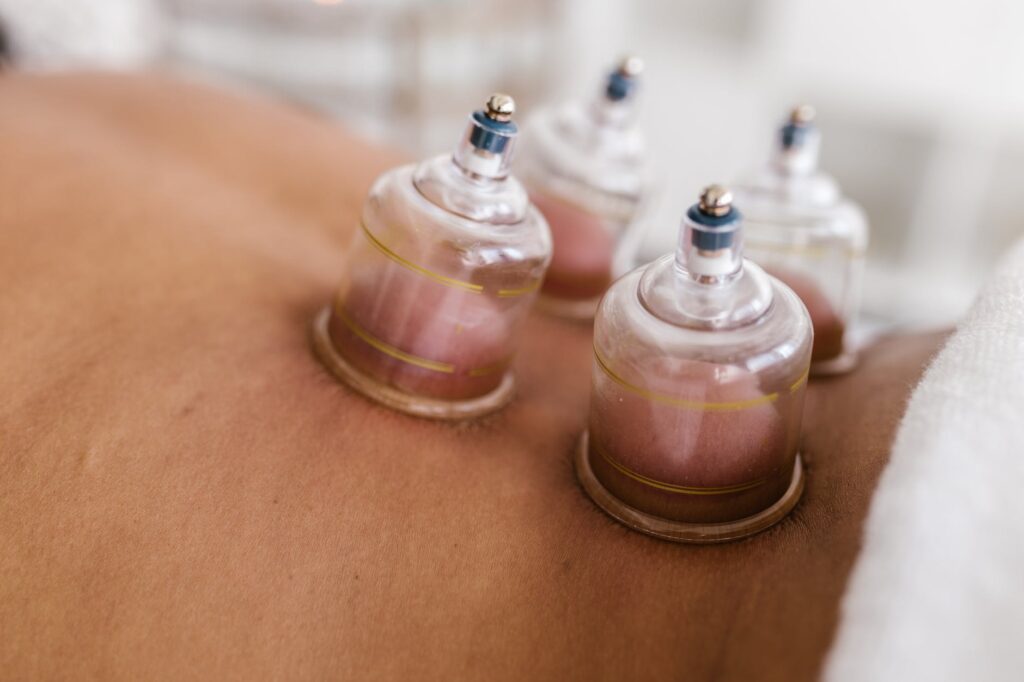
Frequently Asked Question About Hijama (Wet Cupping) Frequently Asked Questions About Hijama (Wet Cupping) Welcome to our page addressing common questions about Hijama, also known as Wet Cupping. Discover the significant benefits of Hijama, its deep-rooted history in Prophetic medicine, a clear explanation of the Hijama procedure, and essential aftercare guidelines. If you’re searching for answers to your questions about Hijama or looking for a practitioner offering Hijama near you, you’ve come to the right place. Various cups used in Hijama (Wet Cupping) therapy. Book Hijama Appointment Understanding Hijama (Wet Cupping) A common question is: What exactly is Hijama, also known as Wet Cupping? It’s an ancient therapeutic method deeply embedded in traditional medicine, notably Islamic (Prophetic) medicine. This practice involves applying localized suction to the skin using specialized cups and then making small, superficial incisions to gently draw out a small quantity of blood. The primary aim of Hijama is to remove toxins, enhance blood circulation, and promote the body’s natural healing processes. Understanding what Hijama is often the first question for those exploring its benefits. Hijama has a long history across diverse cultures, including ancient Egyptian and Chinese civilizations. A practitioner performing the Hijama (Wet Cupping) procedure. The History and Significance of Hijama People often ask about the historical significance of Hijama. Its origins can be traced back thousands of years. Its importance within Islam stems from the Hadiths, the sayings and practices of Prophet Muhammad (peace be upon him), who advocated for Hijama as a beneficial treatment for various ailments. The Prophet (PBUH) himself underwent Wet Cupping. This profound historical and religious context underscores its significance for individuals globally who seek traditional and holistic approaches to well-being. Understanding this history is a key part of understanding the benefits of Hijama. “The best of treatments you use is Hijama.” – Prophet Muhammad (PBUH), Sahih Bukhari Common Questions About Hijama 1. Finding a Qualified Hijama Practitioner A common question is about finding qualified practitioners for Hijama. It’s crucial to seek out well-trained professionals. This may include Registered Acupuncturists, Traditional Chinese Medicine Practitioners, or other licensed healthcare professionals with specific training in Wet Cupping techniques. Ensure they adhere to strict safety and hygiene protocols established by regulatory bodies. Always ask about their credentials and experience before undergoing Hijama. You can verify registration with relevant professional organizations to find registered professionals offering Hijama near you and get answers about practitioner qualifications. 2. Typical Body Locations for Hijama (Wet Cupping) Another frequent query concerns the typical locations for Hijama. While traditional Hijama is often performed on the back, particularly between the shoulder blades following the Sunnah, modern practitioners may apply cups to various areas of the body depending on your specific health condition and the intended benefits of Hijama. A comprehensive assessment by a skilled Hijama practitioner will determine the most effective locations for your Wet Cupping therapy, addressing questions about treatment areas. 3. Pain During the Hijama Procedure: What to Expect People often ask about the pain associated with the Hijama procedure. The sensation experienced during the Hijama procedure varies among individuals. The initial suction from the cups might feel like a firm pulling sensation on the skin. The small incisions made are superficial and are usually described as mild pricks or light scratches, not deeply painful. Most people find the Wet Cupping process quite tolerable. Experienced Hijama practitioners are trained to minimize any potential discomfort. 4. Blood Volume in a Hijama (Wet Cupping) Session A common concern relates to the volume of blood drawn during Hijama. The amount of blood drawn during a Hijama session is typically minimal, often just a few milliliters per cup. The primary goal of Wet Cupping is to remove stagnant or congested blood rather than extracting a large volume. The exact amount will depend on your individual condition and the practitioner’s professional judgment. Reputable Hijama clinics prioritize your safety and will not remove an excessive amount of blood. 5. Potential Health Benefits of Hijama A very common question revolves around the health benefits of Hijama. Many people around the world seek Hijama for its wide range of potential health benefits. These may include relief from various types of pain (such as back pain and headaches), improved blood circulation, detoxification of the body, reduction of inflammation, alleviation of stress and anxiety, and supportive treatment for numerous health conditions. While anecdotal evidence and some studies suggest significant benefits of Wet Cupping, ongoing scientific research continues to explore its efficacy. 6. Side Effects Associated with Hijama Another frequent concern involves the potential side effects of Hijama. The side effects of Hijama are generally mild and temporary. Common occurrences include slight bruising, localized soreness, or temporary skin discoloration in the areas where the cups were applied. Adhering to proper hygiene and the aftercare instructions provided by your Hijama practitioner is essential to minimize any risk of infection. 7. Preparing for Your Hijama Appointment People often ask how to prepare for their Hijama appointment. Your chosen Hijama practitioner will give you specific preparation guidelines. Generally, it’s advisable to ensure you are well-hydrated, avoid heavy meals in the hours leading up to your session, and inform your practitioner about any medications you are currently taking or any underlying health issues you may have. Proper preparation can enhance the benefits of Hijama. 8. Aftercare Following Hijama (Wet Cupping) A common question involves the aftercare following Hijama. Post-Hijama aftercare instructions typically involve keeping the treated areas clean and covered with a sterile dressing for a short period, avoiding strenuous physical activities, maintaining good hydration, and possibly avoiding certain foods or drinks as advised by your practitioner. Following these aftercare guidelines is crucial for promoting healing and preventing any potential complications after your Wet Cupping session. 9. Number of Hijama Sessions Needed People frequently inquire about the number of Hijama sessions needed. This can vary significantly depending on your individual health concerns and how your body responds to the therapy. Some individuals may experience noticeable benefits of Hijama after just one session, while

Acupuncture for Cold & Flu Relief in Canada: Natural Support Acupuncture for Cold & Flu Relief in Canada: Natural Support As the cold and flu season approaches in Canada, many individuals seek natural comfort. Indeed, acupuncture for cold and flu relief is a traditional Chinese practice gaining popularity across Canada. This natural approach can effectively ease congestion, reduce pain, boost immunity, and improve overall well-being for residents. Discover more about our Acupuncture services. Book Acupuncture Appointment Understanding Acupuncture for Natural Cold & Flu Relief in Canada First and foremost, acupuncture for cold and flu relief is an ancient Chinese therapy practiced in Canada. When you undergo a session, fine needles are inserted into specific body points. Practitioners believe this process balances Qi, vital energy. Consequently, balanced Qi may boost immunity and overall well-being, especially during colder months across Canada. You can learn more about Traditional Chinese Medicine on the NIH website. Furthermore, for cold and flu sufferers in Canada, acupuncture for cold and flu relief can be a helpful addition. Nasal congestion, for instance, may ease with this treatment, and headaches and body aches might lessen. The body’s natural defenses could also improve, which is particularly relevant to the seasonal changes experienced in Canada. Acupuncture’s ability to release endorphins is one key benefit. These natural painkillers can relieve common cold and flu symptoms prevalent in Canada. As a result, sore throat, cough, and body discomfort may ease. Beyond pain relief, the function of your immune system may improve with acupuncture. By regulating energy pathways, it could strengthen the immune response. This, in turn, helps the body fight viruses and bacteria common in Canada. The Journal of Acupuncture and Meridian Studies has published research on this topic. Additionally, this practice might reduce inflammation, a frequent cold and flu symptom in Canada. By targeting specific acupuncture points, swelling can decrease. It also supports the body’s natural healing, offering a natural option for those seeking acupuncture for cold and flu relief in Canada. In conclusion, acupuncture for cold and flu relief presents a safe, potentially effective option for Canadians. This holistic approach may ease discomfort and support immunity. If you’re exploring natural remedies for the cold and flu season in Canada, consider our acupuncture services. Commonly Used Acupuncture Points for Cold & Flu Symptoms Large Intestine 20 (LI 20) – Yingxiang (Welcome Fragrance): Located beside the nostril; often used for nasal congestion. Large Intestine 4 (LI4) – Hegu (Joining Valley): Found on the back of the hand, between thumb and index finger; used for pain relief and immune support. Large Intestine 11 (LI 11) – Quchi (Pool at the Crook): Situated at the end of the elbow crease; can help with fever and inflammation. Lung 10 (LU 10) – Yuji (Fish Border): On the palm, at the thumb’s base; may help with sore throat. Lung 11 (LU 11) – Shaoshang (Lesser Metal): On the thumb’s radial side, near the nail; used for sore throat and fever. Gallbladder 20 (GB 20) – Fengchi (Wind Pool): At the skull’s base, in neck muscle hollows; often used for headaches and body aches. Governor Vessel 16 (GV 16) – Fengfu (Wind Mansion): On the midline at the skull’s base; may help with headaches and nasal congestion. Liver 3 (LV 3) – Taichong (Great Surge): On the top of the foot, distal to the first and second metatarsal junction; used for stress and balance. Stomach 40 (ST 40) – Fenglong (Abundant Bulge): On the lower leg, midway between knee and ankle, lateral to the tibia’s crest; may help with cough and phlegm. Lung 5 (LU 5) – Chize (Cubit Marsh): In the elbow crease, radial to the biceps tendon; can help with cough and wheezing. Moxibustion: Enhancing Acupuncture for Cold & Flu Derived from dried mugwort, moxa often comes in various forms. Furthermore, this natural tool can powerfully boost immunity across Canada. Certain types are also suitable for home use, frequently complementing acupuncture for cold and flu relief. Within traditional Chinese medicine practiced in Canada, practitioners utilize moxibustion. The application of heat to stimulate acupuncture points is how it works. This warming therapy may: Prevent colds and flu by strengthening immunity. It can also speed recovery from colds or flu. Chills, fever, and body aches common during seasonal changes in Canada may be reduced. Sore throat and nasal congestion can be relieved. Western View of Acupuncture for Symptom Relief From a Western perspective in Canada, acupuncture is a therapy that can trigger hormone release into the bloodstream. Subsequently, these hormones signal the nervous system. Dopamine and serotonin, among others, can positively affect the body. Benefits include pain reduction and emotional balance. Moreover, immune system strengthening and organ system regulation may also occur, offering a complementary health approach for cold and flu relief in Canada. Consider exploring how acupuncture can help you. Find Natural Cold & Flu Relief with Acupuncture in Canada Mudasser Chaudhry is a registered acupuncturist and TCM practitioner at Chaudhry Clinic. Serving Toronto and Mississauga, we provide effective acupuncture for cold and flu relief. Additionally, Chaudhry Clinic offers holistic services, addressing chronic pain, infertility, depression, and other chronic conditions for those seeking natural health solutions in Canada. Learn more about our acupuncture services. Call us at 416-778-1390 or Book Your Acupuncture Appointment for natural cold and flu relief today! Written by Mudasser Chaudhry, Registered Acupuncturist & TCM Practitioner.
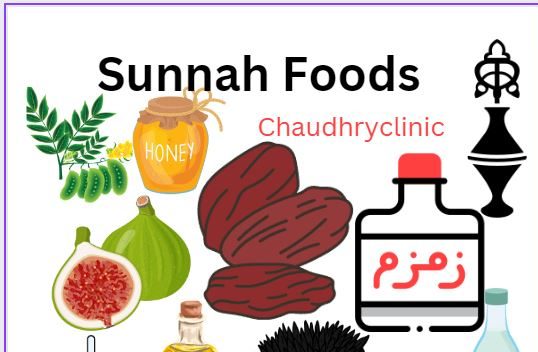
Benefits of Sunnah Foods According to Prophetic Medicine Benefits of Sunnah Foods According to Prophetic Medicine Explore the healing secrets of Sunnah-approved foods backed by Hadith and modern science. Ajwa Dates Ajwa dates provide essential nutrients, including calcium, magnesium, iron, potassium, and dietary fiber. These dates naturally boost energy and aid in digestion, making them a wholesome addition to your diet. The Messenger (ﷺ) said: “If somebody takes seven Ajwa dates in the morning, neither magic nor poison will hurt him that day.” (Sahih Bukhari, Book #71, Hadith #664) Berney Dates Similarly, Berney dates offer a rich source of vitamins and minerals that nourish the body, providing energy and promoting vitality. The Messenger (ﷺ) said: “O’ Aishah, a house in which there are no dates, its people will go hungry.” (Sahih Muslim) Black Seed (Nigella Sativa) Black seed contains thymoquinone, a compound known to support liver health, enhance weight loss, and may even help combat cancer cells. The Messenger (ﷺ) said: “Use the Black Seed for indeed, it is a cure for all diseases except death.” (Sahih Bukhari 7:591) Olive Oil Olive oil, rich in antioxidants, serves as an anti-inflammatory agent. It also supports heart health, and its benefits extend to improving skin and hair. The Messenger (ﷺ) said: “Eat olive oil and anoint yourselves with it, for it is from a blessed tree.” (Tirmidhi At’ima, 43) Qust al-Hindi & Bahri Both Qust al-Hindi and Qust al-Bahri provide natural relief for phlegm, support liver health, and improve digestive function. The Messenger (ﷺ) said: “Hijama and Qust Al Bahri are the best of your treatments.” (Musnad Ahmed: 12906) Sennah Leaves Sennah leaves are widely known for their role as a natural laxative, promoting detox and supporting weight loss in a gentle manner. The Messenger (ﷺ) said: “Upon you is the Senna and the Sanoot (cumin), for in them is a cure for every disease except death.” (Ibn Majah 3457) Sidr Leaves & Sidr Honey Sidr leaves help treat skin conditions and dandruff, while Sidr honey boosts immunity, aids digestion, and heals wounds effectively. The Messenger (ﷺ) said: “Honey is a remedy for every illness and the Qur’an is a remedy for all illness of the mind…” (Bukhari) Vinegar Vinegar improves heart health, manages blood sugar levels, and helps fight harmful bacteria in the body. The Messenger (ﷺ) said: “A household which has vinegar will never suffer from poverty.” (Tirmidhi, Baihaqi) ZamZam Water ZamZam water, scientifically proven to contain beneficial minerals, helps cleanse the body and is considered both physically and spiritually healing. The Prophet (ﷺ) said: “ZamZam water is for whatever it is drunk for.” (Ibn Majah 3062) Talbeenah Talbeenah, made from barley, soothes the heart, alleviates grief, and supports digestive health. It is highly recommended for emotional healing. The Messenger (ﷺ) said: “Talbeenah soothes the heart of the sick and takes away some of the grief.” (Bukhari #5365; Muslim #2216) Henna (Mehndi) Henna has therapeutic properties that treat wounds, leg pain, and headaches. The Prophet (ﷺ) often used it for his own injuries. The Prophet (ﷺ) used Henna for injuries and advised it for pain in the legs. (Tirmidhi, Bukhari) Kohl Ithmid Kohl Ithmid strengthens vision and promotes eyelash growth, making it a valuable natural remedy for eye health. The Prophet (ﷺ) said: “Use Ithmid, for it clears the eyes and grows the eyelashes.” (Ibn Majah) Ruqyah (Spiritual Healing) Ruqyah, the practice of reciting Qur’anic verses for healing, can alleviate distress, protect from harm, and cure physical ailments. The Messenger (ﷺ) taught: “Put your hand on the pain and say: ‘Bismillah…’ and ‘I seek refuge in Allah’s Power…’” (Muslim) Hijama (Cupping Therapy) Hijama, or cupping therapy, is highly effective for detoxifying the body, relieving pain, and balancing spiritual energy. The Messenger (ﷺ) said: “Indeed the best of remedies you have is hijama (cupping).” (Bukhari #5371) Fenugreek (Hulbah) Fenugreek helps manage diabetes, reduces cholesterol, alleviates arthritis pain, and supports breast milk production. The Prophet (ﷺ) said: “If my people knew what there is in Fenugreek, they would pay its weight in gold.” (Ibn Qayyim) Coriander Coriander is a great remedy for indigestion, fever, and skin conditions. It is also useful in preventing cancer. The Prophet (ﷺ) said: “Make yours the seed of coriander, for it is a cure for all diseases except swelling.” (Tibb al-Nabawi) For more information, visit our Facebook page.
Natural Herbs and Their Benefits What Are Natural Herbs? Natural Herbal refers to the use of plants’ seeds, berries, roots, leaves, bark, or flowers for medicinal purposes. Herbalism has a long-standing tradition of use outside of conventional medicine. It is becoming more mainstream as advancements in analysis, quality control, and clinical research highlight the value of natural herbs in treating and preventing diseases. What is the History of Natural Herbs? Plants have been used for medicinal purposes long before recorded history. Ancient Chinese and Egyptian papyrus writings describe medicinal uses for plants as early as 3,000 BC. Indigenous cultures, including African and Native American tribes, used herbs in their healing rituals. Traditional medical systems, such as Unani Medicine and Traditional Chinese Medicine, incorporated herbal therapies. In the early 19th century, with the advent of chemical analysis, scientists began extracting and modifying active ingredients from plants. Over time, chemists began synthesizing their own versions of plant compounds, leading to a decline in the use of herbal medicines in favor of pharmaceutical drugs. Today, nearly one fourth of pharmaceutical drugs are derived from botanicals. Recent estimates by the World Health Organization indicate that 80% of people worldwide rely on herbal medicines as part of their primary health care. In Germany, around 600–700 plant-based medicines are available, with about 70% of physicians prescribing them. In the United States, rising public dissatisfaction with the cost of prescription medications has sparked a return to natural and organic remedies, leading to an increase in the use of herbal medicines over the past two decades. How Do Natural Herbs Work? Scientists are still exploring the specific ingredients in many herbs that help treat conditions or illnesses. Herbs contain a variety of compounds, and it is believed that these ingredients work together to produce beneficial effects. The effectiveness of an herb can be influenced by several factors, including the climate, soil quality, and timing of harvest. How Are Natural Herbs Used? The use of herbal supplements has seen a significant increase over the last 30 years. In the U.S., herbal supplements are classified as dietary supplements under the Dietary Supplement Health and Education Act (DSHEA) of 1994. Unlike prescription drugs, herbal supplements do not have to be tested for safety and effectiveness before being sold. However, they must be produced according to good manufacturing practices. Commonly used herbal supplements in the U.S. include: Echinacea (Echinacea purpurea and related species) St. John’s Wort (Hypericum perforatum) Ginkgo (Ginkgo biloba) Garlic (Allium sativum) Saw Palmetto (Serenoa repens) Ginseng (Panax ginseng and Panax quinquefolius) Goldenseal (Hydrastis canadensis) Valerian (Valeriana officinalis) Chamomile (Matricaria recutita) Feverfew (Tanacetum parthenium) Ginger (Zingiber officinale) Evening Primrose (Oenothera biennis) Milk Thistle (Silybum marianum) Herbs are often used in combination to enhance effectiveness and minimize side effects. Healthcare providers must consider various factors such as the species, habitat, storage, and processing methods when recommending herbs. What is Herbal Medicine Good For? Herbal medicine is used to treat a wide variety of conditions, including asthma, eczema, premenstrual syndrome, rheumatoid arthritis, migraines, menopausal symptoms, chronic fatigue, irritable bowel syndrome, and even cancer. It is important to consult with a trained healthcare provider before using herbal supplements. For instance, a study found that 90% of arthritis patients use alternative therapies, such as herbal medicine. Some popular herbs and their uses include: Ginkgo (Ginkgo biloba): Traditionally used for circulatory disorders and memory enhancement. Ginkgo may help treat dementia and poor circulation, and improve memory in older adults. It also improves blood circulation by dilating blood vessels and reducing blood platelet stickiness. Kava Kava (Piper methysticum): Known for its mood-enhancing and relaxation effects, kava has been studied for treating anxiety, insomnia, and nervous disorders. However, it may cause liver damage in some people. Saw Palmetto (Serenoa repens): Used for benign prostatic hyperplasia (BPH) treatment. It helps with symptoms like frequent urination and difficulty starting or maintaining urination. St. John’s Wort (Hypericum perforatum): Known for its antidepressant properties, it may be effective for treating mild to moderate depression but can interact with a variety of medications. Valerian (Valeriana officinalis): Used as a natural sleep aid, valerian may have fewer side effects compared to prescription sleeping pills. Echinacea (Echinacea purpurea): Often used to boost immunity and prevent or treat colds. Studies show it may reduce the likelihood of getting a cold by 58% and shorten the duration by 1.4 days. Is There Anything I Should Watch Out For? When used correctly, herbs can help treat various conditions with fewer side effects than some conventional medications. However, since herbal products are not strictly regulated, they can sometimes be mislabeled or contain additives and contaminants. Some herbs can cause allergic reactions, interact with other medications, or be toxic when used improperly. It is important to consult with your doctor or pharmacist before using any herbal medicines. Some herbs and their potential adverse reactions include: St. John’s Wort: May cause skin sensitivity to sunlight and interact with several medications, including birth control pills and blood thinners. Kava Kava: Has been linked to liver toxicity and is banned in several countries. Valerian: Can cause sleepiness and may overstimulate in some people. Garlic, Ginkgo, Feverfew, and Ginger: May increase the risk of bleeding. Evening Primrose: May cause seizures in people with seizure disorders. To ensure safety, always purchase herbal supplements from reputable manufacturers and consult with a healthcare professional before use, especially if you’re undergoing treatment for serious health conditions like cancer. Who is Using Herbal Medicine? Almost one-third of Americans use herbal remedies, but a study in the New England Journal of Medicine found that nearly 70% of people using herbal medicines were reluctant to inform their doctors about it. This highlights the importance of open communication between patients and healthcare providers about complementary and alternative therapies. How is Herbal Medicine Sold in Stores? Herbal medicines are sold in various forms including teas, syrups, oils, liquid extracts, tinctures, and dry extracts (capsules or pills). Teas can be made by steeping dried herbs in hot water. Syrups are often used
Herbal Products
حجامہ کی تاریخ اور سنت: طب نبوی اور کپنگ تھراپی کے فوائد حجامہ کی تاریخ: طب نبوی میں اس کی اہمیت اور فوائد بلاشبہ، حجامہ ایک قدیم اور مسنون طریقہ علاج ہے جس کی جڑیں طب نبوی میں پیوست ہیں۔ اس کے ذریعے جسم سے فاسد خون نکالنے (خون کے بارے میں مزید جانیں) اور مختلف بیماریوں سے شفا پانے کا یہ ایک مؤثر ذریعہ سمجھا جاتا ہے۔ زیر نظر مضمون میں، ہم حجامہ کی تاریخ، سنت کی روشنی میں اس کی اہمیت، اور اس کے فوائد پر روشنی ڈالیں گے۔ احادیث کی روشنی میں حجامہ کی اہمیت یقیناً، حجامہ آپ کی سنت ہے۔ اس کے علاوہ، اس کے متعلق احادیث آئی ہیں۔ اب چند احادیث کے مفہوم پر غور کرتے ہیں: حضرت انس بن مالک رضی اللہ عنہ سے روایت ہے کہ حضور صلی اللہ علیہ وسلم نے فرمایا: بہترین علاج حجامہ لگانا ہے۔ (بخاری شریف) اسی طرح، حضرت ام سلمہ رضی اللہ عنہا سے روایت ہے کہ جب کوئی سردرد کی شکایت لے کر آپ صلی اللہ علیہ وسلم کے پاس آتا، تو آپ صلی اللہ علیہ وسلم اس کو حجامہ کی تلقین کرتے۔ (ابو داؤد) حضرت انس بن مالک رضی اللہ عنہ سے مروی ہے کہ آپ صلی اللہ علیہ وسلم نے فرمایا: اپنے خون کی گرمی کو حجامہ سے کم کرو۔ مبادا وہ گرمی تمہیں ہلاک نہ کر دے۔ (ابن ماجہ) مزید یہ کہ، حضرت عبد اللہ ابن مسعود رضی اللہ عنہ سے روایت ہے کہ فرشتوں نے فرمایا: اے محمد صلی اللہ علیہ وسلم\! اپنی امت کو حجامہ کا حکم دیں۔ (ترمذی) (حجامہ کے مزید فوائد جانیں) بلڈ پریشر اور دیگر بیماریوں میں حجامہ کا کردار جسم کے اعضا کو تندرست رہنے کے لیے تازگی کی ضرورت ہوتی ہے۔ یہ خون سے ملتی ہے۔ دل رگوں کے ذریعے اس خون کو پمپ کرتا ہے۔ چھوٹی رگوں میں خون پہنچانے کے لیے خون رگوں پر پریشر ڈالتا ہے۔ نتیجتاً، خون سارے جسم میں پھیلتا ہے۔ اس پریشر کو بلڈ پریشر کہتے ہیں۔ بلڈ پریشر کی اہم وجہ خون کی عدم سربراہی اور گاڑھا پن ہے۔ درحقیقت، ہائی بلڈ پریشر کئی بیماریوں کا سبب بنتا ہے۔ مثال کے طور پر، دل کا دورہ، فالج، اور گردوں کا فیل ہو جانا۔ یہ مہلک بیماریاں ہیں۔ حجامہ سے جسم کا دروان خون درست ہوتا ہے۔ اس کے علاوہ، گاڑھا پن دور ہوتا ہے۔ چنانچہ، پریشر نارمل ہوتا ہے۔ پھر خون آسانی سے بہتا ہے۔ (بلڈ پریشر کے بارے میں عالمی ادارہ صحت کی معلومات) تھائی رائیڈ کے علاج میں حجامہ کی افادیت تحقیق کے مطابق، الحجامہ دنیا بھر میں کپنگ تھراپی کے نام سے مشہور ہے۔ اس کے نتائج نے عالمی سطح پر ایک مثال قائم کی ہے۔ لہٰذا، یہ ثابت ہوتا ہے کہ حجامہ تھائیرائیڈ کا علاج کر سکتا ہے۔ یہ ہارمون پورے جسم پر اثر انداز ہوتا ہے۔ دراصل، اس کا عدم توازن بہت سی علامات کا سبب بنتا ہے، جیسے وزن میں تبدیلی، بالوں کا گرنا، جسم میں درد، کمزوری، تھکاوٹ، نیند کے مسائل، سر درد، تھکاوٹ اور ڈپریشن وغیرہ۔ عالمی سطح پر، بہت سے ممالک اس علاج سے فائدہ اٹھا رہے ہیں۔ حجامہ تھائیرائیڈ کو درست کرتا ہے۔ نیز، یہ جسم کی قوت مدافعت کو بھی بڑھاتا ہے۔ (تھائیرائیڈ کے بارے میں امریکی تھائیرائیڈ ایسوسی ایشن) خون کی گرمی کم کرنے میں حجامہ کا مؤثر کردار موسم گرما کی شدت جسم کے خون کو بہت کم کر دیتی ہے۔ اس کے نتیجے میں، یہ ذہنی اور جسمانی بیماریوں کا باعث بنتا ہے۔ خون کی گرمی کو کم کرنے کے لیے، لوگ مشروبات پیتے ہیں۔ اگرچہ اس سے عارضی راحت ملتی ہے، لیکن اس کا اثر جلد ختم ہو جاتا ہے۔ گرمی کی وجہ سے، لوگ سر درد، چڑچڑاپن اور جلد کی بیماریوں میں مبتلا ہو جاتے ہیں۔ ایک حدیث میں آیا ہے: “اپنے خون کی گرمی کو حجامہ سے کم کرو۔ مبادا وہ تمہیں ہلاک کر دے۔” الحجامہ ایک ایسا علاج ہے۔ یہ نہ صرف خون کی گرمی کو دور کرتا ہے، بلکہ یہ دوران خون کو بھی بہتر بناتا ہے۔ مزید برآں، یہ قوت مدافعت کو بڑھاتا ہے۔ آخر کار، یہ جسم کے درد کو کم کرتا ہے۔ بہتر دوران خون کے لیے حجامہ کی اہمیت فی الواقع، خون کی ناقص فراہمی اور رکاوٹ بیماریوں کی جڑ ہیں۔ مثال کے طور پر، دل کے مسائل، بلڈ پریشر، تھائیرائیڈ کے مسائل، جلد کی بیماریاں اور جوڑوں کا درد اس کی وجہ سے ہوتے ہیں۔ مریض خون پتلا کرنے والی دوائیں لیتے ہیں۔ تاہم، وہ ضمنی اثرات کا شکار ہو جاتے ہیں۔ اللہ نے 1400 سال پہلے ایسی بیماریوں کا علاج نازل فرمایا۔ اس نے حجامہ کو سنت قرار دیا۔ بلاشبہ، حجامہ کے ذریعے دوران خون کو بہتر بنایا جا سکتا ہے۔ ……………………

Hijama Urdu حجامہ حجامہ عربی زبان کا لفظ ہے اور اردو میں اس کو پچھنے لگوانا کہا جاتا ہے اور انگریزی میں اس کو Blood Leting کہا جاتا ہے۔ چائنہ میں یہ طریقہ علاج صدیوں سے ہو رہا ہے اور اس وقت حجامہ کے بارے میں سب سے زیادہ ریسرچ کوریا اور چائنہ میں ہو رہی ہے۔ عرب کے لوگ زمانہ قدیم سے ہی حجامہ کرواتے رہے ہیں اور اسلام آنے کے بعد اور زیادہ مشہور ہو گیا ہے ۔ ایک دفعہ جب حضور اکرم صلی اللہ علیہ وسلم کی طبیعت ناساز ہوئی تھی تو آپ نے کندھوں کے درمیان حجامہ کروایا تھا اور ساتھ یہ بھی فرمایا تھا کہ حجامہ کرنے والا اجرت نہیں مانگے گی البتہ حجامہ کروانے والا ان کی اجرت ضرور ادا کرے گا اور آپ محمد صلی اللہ علیہ وسلم نے ان کو رقم ادا کی تھی۔ اس سلسلے میں متعدد احادیث مبارکہ ہیں جن میں حجامہ کے فوائد اور حجامہ کروانے کے دن تک بیان کیے گئے ہیں اور تفصیل سے اس کے فوائد کا بھی ذکر درج ہے۔ حجامہ کروانے کے بہترین دن جن میں ہم حجامہ سے اچھی صحت حاصل کر سکتے ہیں چاند کی 17-19-21 تاریخ ہیں اور یہ ریسرچ اس کی تائید کرتی ہیں۔ چاند کی زمین کے ساتھ کشش ثقل بھی ہے آپ نے غور کیا ہوگا اور ساحل سمندر کے پاس رہنے والے اور اور سمندر میں کام کرنے والے بہت اچھی طرح جانتے ہیں کہ جوں جوں چاند کی تاریخ بڑھتی ہے اسی رفتار سے سمندر میں لہروں کا ارتعاش ہوتا ہے اور بڑھتا رہتا ہے اور چاند کی چودھویں تاریخ کو تو سمندر کی لہریں پورے جوش پر اور بہت اونچی اونچی ہوتی ہیں اور بہت پرجوش ہوتی ہیں اور سمندر اپنے اندر کی ساری کشاتیں ساحل پر پھینک دیتا ہے بالکل اسی طرح انسانی جسم پر بھی چاند اثرانداز ہوتا ہے خون میں جوش پیدا ہوتا ہے اور چاند کی 14 تاریخ یعنی اسلامی کلینڈر کے حساب سے چاند کی 14 تاریخ یعنی اسلامی کلینڈر کے حساب سے چاند کی 14 تاریخ کو جسم اپنے اندر کی ساری کشایتیں اور جلد پر آجاتی ہیں اس لیے چاند کی 17-19-21 تاریخ کو حجامہ کروانے سے ساری کشاتیں خون سے نکل جاتی ہیں اور آدمی جلد صحت مند ہو جاتا ہے ، ہمارا جگر خون پیدا کرنے کا ذمہ دار ہے اور خون کے ذرے عینی Lekocyte کی عمر عموماً 45 دن کی ہوتی ہے۔ یہ سارا عمل ہر وقت ہمارے جسم میں ہر وقت جاری رہتا ہے۔ مجھ سے اکثر یہ سوال کیا جاتا ہے کہ چاند کے گھٹنے اور بڑھنے کا ہمارے اوپر کوئی اثر نہیں ہوتا اور نہ ہی ہم آپ اپنے آپ میں کوئی تبدیلی محسوس نہیں کرتا ہے کیونکہ شہروں میں بجلی کا بہت زیادہ استعمال ہوتا ہے اپنے گھر کی مثال لے لیں کہ ہر گھر میں ٹی وی ہے فریج ہے ائیرکنڈیشن، کمپیوٹر ہے مائیز مائیکروویز ہے لیپ ٹاپ ہے گھر کی ٹیوب کی لائٹ ہے بجلی کے بل ہیں اور گھر کے باہر بجلی کی لائن میں اسٹریٹ تار ہے سب وے یہ سب بجلی ہے چلتی ہیں او رہر وقت Electro Magenatic فلیڈ پیدا ہوتا ہے اور اس ماحول میں ہم رہتے ہیں اس لیے ہم پر چاند کی کشش ثقل کا اثر نہیں ہوتا۔ ذرا باہر دیہات اور کھلی فضا میں جا کر دیکھیں کہ اس کا اثر دنوں تک ہوتا ہے اور انسان کو خصوصی طور پر متاثر ہوتا ہے جذبات امڈ امڈ کر آتے ہیں جذباتی کیفیت طاری ہو جاتی ہے غرض کہ آپ اپنے اندر بڑی تبدیلی محسوس کرتے ہیں اس لیے جب چاند کو 17-19 اور 21 تاریخ کو ہمارا خون جوش میں آنے کے بعد خون کے Dead Lekocytes کو ہماری جلد کی طرف ہو جاتا ہے اور دن تاریخوں میں حجامہ کروانے سے مریض جلد صحت مند ہوجاتے ہیں۔ جدید ریسرچ کے مطابق ہمارے جسم میں خون کے ذریعے یعنی ہر Lekocytes کی عمر قریبا 45دن ہوتی ہے اس کے بعد لیوکومائٹ مردہ ہو جاتا ہے اس کی جگہ نیا خون کا ذرا اس کی جگہ لے لیتا ہے اسی طرح یہ سارا عمل ہمارے جسم میں ہر وقت ہوتا رہتا ہے Dead Lecukocytes ہمارے پیشاب کے راستے خارج نہیں ہوتے ہیںتو ہمارے جسم میں جمع ہو کر دوران خون وہ کام نہیں کر سکتا ہے اس لیے آدمی بیمار ہو جاتا ہے اور اس مردہ سیل کو حجامہ کے ذریعے نکال دیا جائے تو آدمی تندرست ہوجاتا ہے۔ اس وقت دو قسم کے لوگ حجامہ کر رہے ہیں پہلی قسم میں وہ لوگ جو کہ ڈاکٹر نہیں ہیں اور ان کو میڈیکل کے بارے میں علم نہیں وہ حجامہ سیکھ کر حجامہ کرنا شروع کر دیتے ہیں اور وہ روایتی طریقہ سے کندھوں کے درمیان، گدی گردن کے پیچھے حصہ پر اور ٹخنوں کے اوپر حجامہ کرتے ہیں ان قسم کے لوگ باقاعدہ تشخیص کے بغیر حجامہ کرتے ہیں ان لوگوں کو بیماریوں کی وجہ نوعیت کا علم نہیں ہوتا ہے وہ صرف اس کو سنت سمجھ کر کرتے ہیں بے شک اس سے فائدہ ہوتا ہے لیکن مکمل طور پر فائدہ نہیں ہوتا ہے۔ دوسری قسم کے حجامہ کرنے والے وہ لوگ ہیں جو کہ باقاعدہ ڈاکٹر ہیں وہ انسانی جسم کی ؟ ANATOMY سمجھتے ہیں وہ لوگ Muslies اور Nerye کو سمجھتے ہیں اس سست Nerve کو کوئی نقصان نہیں پہنچتا ہے۔ وہ لوگ جو چائنیز میڈیسن اور کوپنکچر کے ڈاکٹر ہیں وہ اس وقت سب سے بہترین اور بہت زیادہ فائدہ حجامہ کر رہے ہیں اس کی وجہ یہ ہے کہ ڈاکٹر نبض اور زبان کو دیکھ کر تشخیص کرتے ہیں کہ مردہ خون کے ذرے Dead Lekocyte کہاں کس Organکے راستے میں رکاوٹ پیدا کر رہے ہیں وہ صرف اس مقام کا حجامہ کرتے ہیں اور اس کے رزلٹ سب سے بہتر ہیں۔ پرانے طریقہ سے حجامہ کرنے والے اور ڈاکٹر سے حجامہ کروانے میں بہت زیادہ فرق ہے۔ پرانے روایتی طریقہ میں حجامہ کرنے والے بلیڈ یا نشتری کا استعمال کرتے ہیں جس سے جلد کٹ جاتی ہے اور زخم کبھی کبھار گہرا بھی ہو سکتا ہے۔

